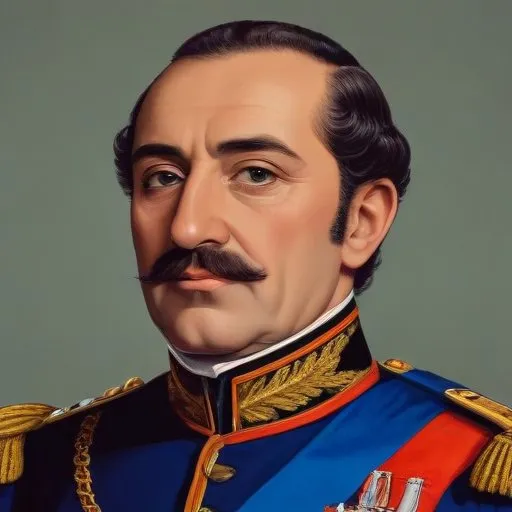
Charles Albert, King of Sardinia: Champion of Italian Unification
A Pioneer of Constitutional Monarchy
Charles Albert, King of Sardinia, is renowned for his pivotal role in shaping the course of Italian history. His name is inextricably linked with the Albertine Statute, the first Italian constitution, and the First Italian War of Independence, which paved the way for the country's eventual unification.
Early Life and Inclinations
Born on October 2, 1798, Charles Albert was a member of the House of Savoy, with a legacy of royal lineage. During the Napoleonic era, he resided in France, where he received a liberal education that instilled in him progressive ideals. As Prince of Carignano in 1821, he initially supported a rebellion seeking to establish a constitutional monarchy, only to withdraw his backing later.
Conservative Turn and Legitimist Expedition
Charles Albert's early liberal leanings gave way to a conservative outlook, and he participated in the legitimist expedition against Spanish liberals in 1823, known as the Hundred Thousand Sons of Saint Louis. This shift in his political stance was a significant turning point in his life, influencing his future actions as king.
Accession to the Throne and Neo-Guelph Ideals
Upon the death of his distant cousin, Charles Felix, in 1831, Charles Albert ascended to the throne of Sardinia. Initially, he maintained a conservative stance, supporting European legitimist movements. However, by 1848, he had adopted the neo-Guelph idea of a federal Italy, led by the Pope and free from Habsburg rule.
The Albertine Statute and Constitutional Monarchy
In 1848, Charles Albert granted the Albertine Statute, a landmark constitution that remained in force until 1947. This document established the principles of constitutional monarchy, enshrining the separation of powers, freedom of the press, and the protection of individual rights.
The First Italian War of Independence and Defeat
Charles Albert led his forces against the Imperial Austrian army in the First Italian War of Independence, driven by his desire to free northern Italy from Austrian rule. Despite his valiant efforts, he was ultimately defeated at the Battle of Novara in 1849. Disillusioned and defeated, he abdicated in favor of his son, Victor Emmanuel II.
Exile and Legacy
Charles Albert died in exile in Porto, Portugal, on July 28, 1849, just a few months after his abdication. Despite his defeat, his legacy as a champion of Italian unification and constitutional monarchy endures. His son, Victor Emmanuel II, would eventually become the first king of a unified Italy in 1861, realizing Charles Albert's vision for a united Italy.
Impact on Modern Society
Charles Albert's contributions to the Italian unification movement and his advocacy for constitutional monarchy have had a lasting impact on modern Italian society. His legacy serves as a testament to the power of progressive ideals and the importance of constitutional governance.
Quotes and Memorable Sayings
"I desire to see Italy great, free, and united, with a government that is truly liberal and truly national."
- Charles Albert, King of Sardinia
Historical Context and Legacy
Charles Albert's reign marked a significant turning point in Italian history, as he navigated the complexities of European politics and the struggle for Italian unification. His legacy serves as a reminder of the importance of progressive leadership and the pursuit of constitutional governance.
Trivia and Fun Facts
- Charles Albert was nicknamed the "Italian Hamlet" by poet Giosuè Carducci, due to his introspective nature and tumultuous reign.
- He was a skilled military strategist, who led his forces into battle during the First Italian War of Independence.
- Charles Albert's exile in Porto, Portugal, was marked by solitude and introspection, as he reflected on his legacy and the future of Italy.
Visual Timeline and Milestones
- 1798: Charles Albert born on October 2
- 1821: Becomes Prince of Carignano and supports rebellion seeking constitutional monarchy
- 1823: Participates in legitimist expedition against Spanish liberals
- 1831: Ascends to the throne of Sardinia upon the death of Charles Felix
- 1848: Grants the Albertine Statute, the first Italian constitution
- 1849: Leads forces against Imperial Austrian army in the First Italian War of Independence; abdicates in favor of Victor Emmanuel II; dies in exile in Porto, Portugal, on July 28
By examining the life and legacy of Charles Albert, King of Sardinia, we gain insight into the complex dynamics of Italian history and the pursuit of constitutional governance. His story serves as a testament to the power of progressive ideals and the importance of visionary leadership.
FAQ
What were Charles Alberts key reforms as King of Sardinia?
Charles Albert, King of Sardinia (1831-1849), implemented several key reforms, including the establishment of a constitution, the expansion of education and infrastructure, and the promotion of economic development.
How did Charles Alberts reign impact Italian unification?
Charles Alberts reign played a significant role in Italian unification, as he supported the Risorgimento movement and fought against Austrian domination in Italy.
What were Charles Alberts military campaigns?
Charles Albert led several military campaigns, including the First War of Italian Independence against Austria, which ended in defeat but ultimately contributed to the unification of Italy.
How did Charles Alberts abdication impact Sardinia?
Charles Alberts abdication in 1849 had a significant impact on Sardinia, leading to a period of political instability and eventually paving the way for the annexation of Sardinia by the Kingdom of Italy.
What is Charles Alberts legacy in Italian history?
Charles Albert is remembered as a key figure in Italian unification and a champion of liberal reform, whose efforts helped pave the way for the creation of a unified Italian state.