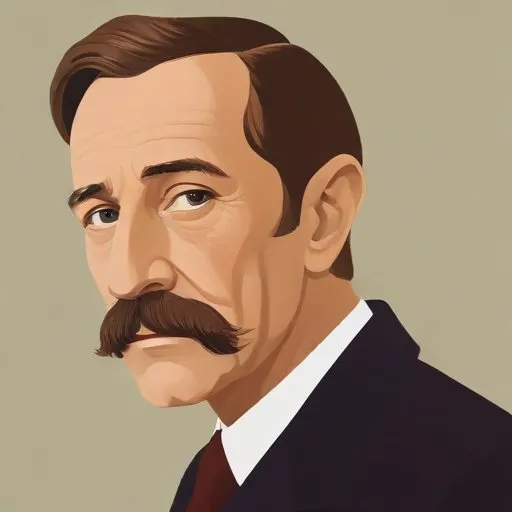
Charles W. Chesnutt: A Pioneering Voice in American Literature
A Trailblazing Author of Racial and Social Identity
Charles W. Chesnutt, a renowned American author, essayist, and lawyer, is best known for his thought-provoking novels and short stories that delved into the complexities of racial and social identity in the post-Civil War South. Through his works, Chesnutt shed light on the intricacies of racial relations, challenging the status quo and sparking crucial conversations about equality and justice.
Early Life and Influences
Born on June 20, 1858, in Cleveland, Ohio, Chesnutt was the son of Andrew Chesnutt and Ann Maria Sampson Chesnutt, both free persons of color from Fayetteville, North Carolina. His paternal grandfather was a white slaveholder, and Chesnutt identified as African American, noting that he was seven-eighths white. Despite being able to pass as a white man, Chesnutt chose not to, instead embracing his mixed heritage and using his writing as a platform to explore the nuances of racial identity.
Literary Contributions and Major Works
Chesnutt's writing career spanned over three decades, during which he penned several novels and short stories that captivated readers with their nuanced portrayals of racial tensions and social injustices. Some of his notable works include:
- The House Behind the Cedars (1900) - a novel that explores the complexities of racial identity and passing in the post-Civil War South
- The Marrow of Tradition (1901) - a novel that examines the Wilmington insurrection of 1898 and its aftermath
- The Conjure Woman (1899) - a collection of short stories that delves into the world of conjure and African American folklore
Impact on Modern Society and Legacy
Chesnutt's works had a profound impact on modern society, influencing the literary landscape and shaping the conversation around racial and social identity. His writing also inspired a new generation of African American writers, including
Langston Hughes and
Zora Neale Hurston. In 2008, Chesnutt was honored with a commemorative stamp, solidifying his place in American literary history.
Awards and Honors
Throughout his career, Chesnutt received several awards and honors, including:
- Pseudonymously published several short stories in the Atlantic Monthly, earning critical acclaim and recognition
- Appointed as a member of the National Association for the Advancement of Colored People (NAACP)
- Received a commemorative stamp in 2008, honoring his contributions to American literature
Philosophical Contributions and Beliefs
Chesnutt's writing was deeply rooted in his philosophical beliefs, which centered around the importance of education, social justice, and racial equality. He advocated for the empowerment of African Americans, challenging discriminatory laws and promoting a more inclusive society.
Personal Milestones and Key Life Events
Chesnutt's life was marked by several significant milestones, including:
- Establishing a successful court reporting business in Cleveland, Ohio, which provided his primary income
- Participating in the National Association for the Advancement of Colored People (NAACP), where he wrote articles supporting education and legal challenges to discriminatory laws
Historical Context and Comparative Analysis
Chesnutt's life and work must be understood within the context of the post-Civil War era, a time marked by racial tensions, social unrest, and the struggle for equality. His writing can be compared to that of his contemporaries, such as
Mark Twain and
William Dean Howells, who also explored themes of racial identity and social justice.
Personal Relationships and Anecdotes
Chesnutt's personal relationships and anecdotes offer a glimpse into his private life, including:
- His close friendship with author and activist, Frederick Douglass
- His involvement in the Ohio State Bar Association, where he was one of the first African Americans to be admitted
Trivia and Fun Facts
Some interesting facts about Charles W. Chesnutt include:
- Two of his books were adapted into silent films in the 1920s by African American director and producer Oscar Micheaux
- Chesnutt's writing style was heavily influenced by his experiences as a court reporter, which honed his skills in observation and detail
Conclusion
Charles W. Chesnutt's pioneering work in American literature continues to resonate with readers today, offering a powerful exploration of racial and social identity. Through his writing, Chesnutt challenged the status quo, sparking crucial conversations about equality and justice. As a trailblazing author, lawyer, and activist, Chesnutt's legacy serves as a testament to the power of literature to shape our understanding of the world and ourselves.
FAQ
What were the main themes in the writing of Charles W. Chesnutt?
The main themes in the writing of Charles W. Chesnutt include the experiences of African Americans in the post-Civil War era, the complexities of racial identity, and the struggle for social justice and equality.
What was the significance of Charles W. Chesnutts short stories in the development of American literature?
Charles W. Chesnutts short stories were significant in the development of American literature because they provided a unique and powerful voice on the experiences of African Americans. His stories helped to challenge prevailing attitudes and stereotypes, and they paved the way for later African American writers.
How did Charles W. Chesnutts own experiences influence his writing?
Charles W. Chesnutts own experiences as an African American in the post-Civil War era influenced his writing through his exploration of themes such as racial identity, social justice, and equality. His experiences also helped to inform his characters and plot lines.
What was the significance of Charles W. Chesnutts use of realism in his writing?
Charles W. Chesnutts use of realism in his writing helped to create a more accurate and nuanced portrayal of African American life and experiences. His realistic approach helped to challenge romanticized and stereotypical representations of African Americans, and it provided a more authentic and honest voice.
What was Charles W. Chesnutts view on the role of the writer in society?
Charles W. Chesnutt believed that the role of the writer was to provide a critical and honest voice on social issues and to challenge prevailing attitudes and stereotypes. He saw writing as a way to promote social justice and equality, and to give voice to marginalized and oppressed communities.