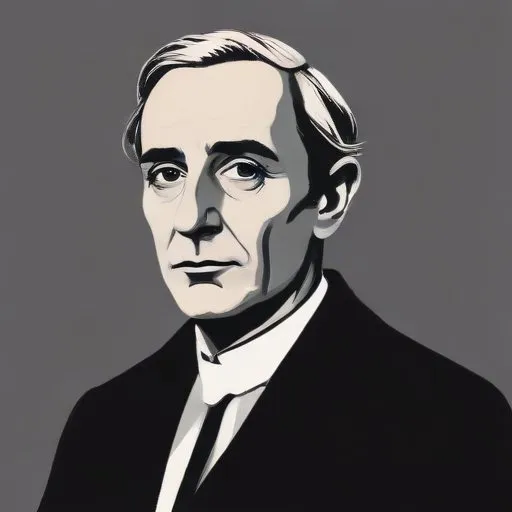
Christopher Smart: The Enigmatic Poet of 18th Century England
A Prolific Poet with a Turbulent Life
Christopher Smart is renowned for his thought-provoking poetry, which delves into themes of nature, nationalism, and religiosity. He is best known for his iconic works,
A Song to David and
Jubilate Agno,_written during his tumultuous life, marked by periods of confinement and turmoil.
Early Life and Education
Born on April 11, 1722, in Shipbourne, Kent, England, Christopher Smart was the son of Peter Smart, steward of the Fairlawne estate. He was baptized in Wrotham parish on May 11, 1722. Smart's early life was marked by delicate health, and he was born prematurely. He received his education at Durham School and later at Pembroke College, Cambridge, where he developed a passion for literature and poetry.
A Emerging Literary Career
Smart's literary career began with his contributions to popular magazines,
The Midwife and
The Student. He adopted the pseudonym Mrs. Mary Midnight, which garnered significant attention and popularity. His writing also earned him the friendship and admiration of influential cultural icons, such as
Samuel Johnson and Henry Fielding.
Controversies and Turmoil
Smart's life was marred by controversy and turmoil. His father-in-law, John Newbery, had him locked away in a mental asylum for his perceived religious mania. This period of confinement had a profound impact on Smart's life and writing. Even after his release, he struggled with debt, which ultimately led to his imprisonment in debtors' prison until his death in 1771.
Literary Legacy
Despite the challenges and controversies, Smart's poetry continues to be celebrated for its unique themes and style.
A Song to David and
Jubilate Agno, his most famous works, are believed to have been written during his confinement in St. Luke's Asylum. These poems showcase Smart's mastery of language and his exploration of themes that were unprecedented for his time.
Poetic Themes and Style
Smart's poetry is characterized by its eclectic mix of themes, including nature, nationalism, and religiosity. His writing style is marked by vivid imagery, clever wordplay, and a distinctive use of metaphor. His poetry is both personal and universal, reflecting his own experiences and emotions while also speaking to broader human concerns.
Influence and Legacy
Christopher Smart's poetry has had a lasting impact on English literature. His influence can be seen in the works of later poets, such as
William Wordsworth and
Samuel Taylor Coleridge. Despite the challenges he faced during his lifetime, Smart's poetry continues to inspire and enrich readers to this day.
Fun Facts and Trivia
- Smart was known for his theories on nature, which were ahead of his time.
- He was a high church Anglican and his poetry reflects his strong religious convictions.
- Smart's poetry was not widely recognized until the 19th century, when it gained popularity among literary circles.
A Lasting Legacy
Christopher Smart's life was marked by turmoil and controversy, but his poetry continues to be a testament to his enduring legacy. His unique themes, style, and contributions to English literature have cemented his place as one of the most fascinating and enigmatic poets of the 18th century.
FAQ
What was Christopher Smarts most famous poem?
Christopher Smarts most famous poem is Jubilate Agno, which he wrote while in a mental asylum. It is a beautiful and poignant work that explores themes of spirituality and redemption.
What was Christopher Smarts experience with mental illness?
Christopher Smart struggled with mental illness throughout his life, and was hospitalized in a mental asylum for several years. Despite this, he continued to write poetry and maintain his faith.
What was Christopher Smarts connection to the Methodist movement?
Christopher Smart was a strong supporter of the Methodist movement, and his poetry often reflected his Methodist values. He saw poetry as a way to spread the message of Christianity and promote spiritual growth.
How did Christopher Smarts poetry reflect his personality?
Christopher Smarts poetry is characterized by its sensitivity, emotional depth, and spiritual intensity. It reflects his struggles with mental illness, his faith, and his compassion for others.
What was Christopher Smarts contribution to English literature?
Christopher Smarts poetry and plays made significant contributions to English literature, influencing later poets such as William Blake and Samuel Taylor Coleridge.