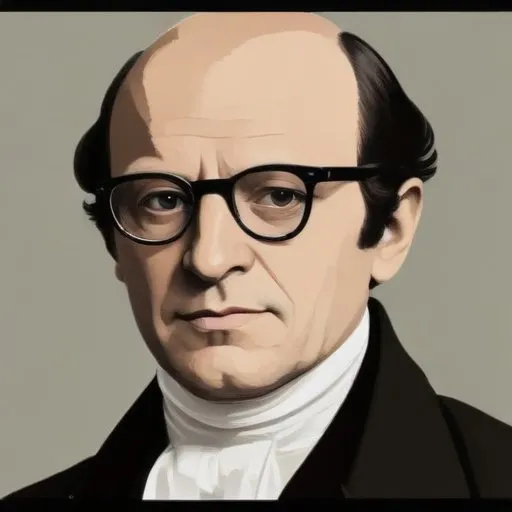
Oliver Goldsmith

Oliver Goldsmith

Oliver Goldsmith was born on November 10th, 1728

Full Name: Oliver Goldsmith
Nationality: Irish-English
Profession: Author
Birthplace: Kilkenny West
Education: Trinity College Dublin
Field: Literature and Playwriting
Known For: Comedy of manners
Notable Work: She Stoops to Conquer

A celebrated 18th-century writer, known for his witty plays and novels of manners that satirized the social class system, leaving a lasting impact on English literature.

Timeline
1728
Birth in Ireland
Oliver Goldsmith was born in Ireland to Charles Goldsmith, a clergyman.
1744
Study at Trinity College
Goldsmith studied at Trinity College in Dublin, where he developed his writing skills.
1758
Moved to London
Goldsmith moved to London, where he began to make a name for himself as a writer and critic.
1766
Publication of The Vicar of Wakefield
Goldsmith published The Vicar of Wakefield, a influential novel that solidified his reputation as a writer.
1774
Death in London
Goldsmith died in London, leaving behind a legacy as a celebrated author and playwright.
Oliver Goldsmith

Oliver Goldsmith Quiz

What literary genre is Oliver Goldsmith most associated with?

Score: 0/5
FAQ
What is Oliver Goldsmiths significance in English literature?
Oliver Goldsmith was a prominent English author, poet, and playwright. He is considered one of the most important English writers of the 18th century and is known for his works, such as The Vicar of Wakefield and She Stoops to Conquer.
What were Oliver Goldsmiths most famous works?
Oliver Goldsmiths most famous works include his novel The Vicar of Wakefield, which is considered one of the greatest English novels of the 18th century, and his play She Stoops to Conquer, which is a classic of English comedy.
What was Oliver Goldsmiths role in the development of English literature?
Oliver Goldsmith played a significant role in the development of English literature, particularly in the genre of the novel. His works influenced later writers, such as Jane Austen, and paved the way for the development of the English novel.
Was Oliver Goldsmith a prominent figure in English society?
Yes, Oliver Goldsmith was a prominent figure in English society. He was a respected author, poet, and playwright, and his works were widely read and admired during his lifetime.
What is the legacy of Oliver Goldsmith in English literature?
Oliver Goldsmith left a lasting legacy in English literature, particularly in the development of the novel and comedy. He is considered one of the most important English writers of the 18th century and continues to be celebrated today.

Related People:

Samuel Johnson

Born in 1846

A Nigerian priest and historian who wrote the first comprehensive history of the Yoruba people, providing valuable insights into their culture and traditions.

Joshua Reynolds

Born in 1723

A prominent portrait painter and art educator who helped establish the Royal Academy of Arts, known for his influential teachings and masterful depictions of 18th-century British aristocracy.

David Garrick

Born in 1717

A renowned 18th-century theater personality who dominated London's stages with his captivating performances and penned numerous plays, shaping the English theater scene.

Henry Fielding

Born in 1707

Wrote influential and satirical novels of manners, such as "Tom Jones", that explored the social and moral issues of 18th-century England.

Richard Brinsley Sheridan

Born in 1751

A witty and influential 18th-century playwright and politician who penned iconic comedies like "The School for Scandal" and "The Rivals", shaping English literature and theatre.

Laurence Sterne

Born in 1713

Wrote influential and innovative novels, particularly "Tristram Shandy", that experimented with narrative structure and style, influencing the development of modern literature.

Jonathan Swift

Born in 1667

A witty wordsmith who penned scathing social commentaries, including the iconic "Gulliver's Travels", which continue to delight and provoke readers to this day.

Edmund Burke

Born in 1729

An 18th-century thinker who shaped modern conservatism, advocating for gradual social change and warning against the dangers of radical revolution. He's also known for his philosophical writings on aesthetics and the sublime.