


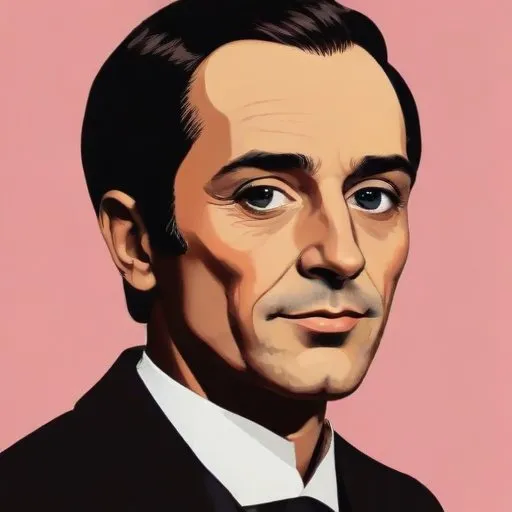
A 17th-century French historian and author who wrote influential works on early Christianity and the Roman Empire, shaping the field of ecclesiastical history.
Claude Fleury, a French priest, jurist, and ecclesiastical historian, is widely recognized for his monumental work, Histoire ecclésiastique, a comprehensive history of the Christian Church. This magnum opus, spanning over 30 years of research, earned him a reputation as one of the most erudite scholars of his time.
Born on December 6, 1640, in Paris, France, Fleury was destined for a career in law. He received his education at the prestigious Jesuit College de Clermont (now known as Lycée Louis-le-Grand), where he developed a strong foundation in philosophy and theology.
Fleury's contributions to ecclesiastical history and theology were recognized by the Académie française, which elected him as a member in 1696. He was also awarded the Cistercian abbey of Loc-Dieu and later the priory of Argenteuil, a more lucrative benefice.
Fleury's Histoire ecclésiastique not only appeal to the clergy and scholars but also to the general public, making it a seminal work in the field of ecclesiastical history. His work has had a lasting impact on the study of theology, history, and philosophy, and continues to be a valuable resource for researchers and scholars today.
Claude Fleury's remarkable contributions to the field of ecclesiastical history have cemented his place as one of the most distinguished scholars of his era. His work continues to inspire and inform researchers, scholars, and theologians, ensuring his legacy as a towering figure in the world of theology and history.
Born in 1694
A witty and insightful 18th-century writer and philosopher who used satire to critique societal norms and advocate for reason, tolerance, and human rights.
Born in 1712
A pioneering thinker who shaped modern democracy and education with his ideas on social contracts, general will, and the importance of early childhood education. His writings influenced the French Revolution and modern political thought.
Born in 1689
A French lawyer and philosopher who developed the concept of separation of powers, which divides a government into legislative, executive, and judicial branches to prevent abuse of power. His ideas greatly influenced modern democracy.
