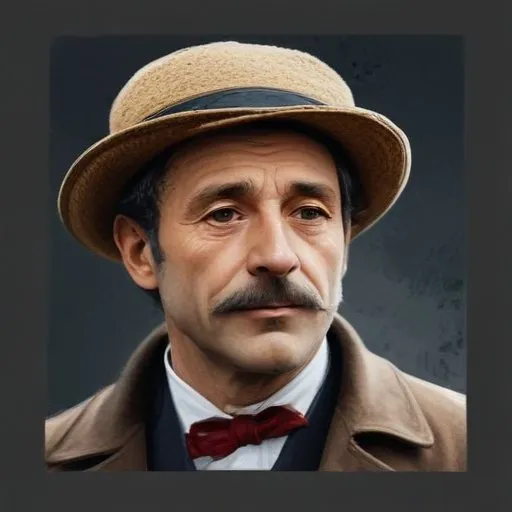
Claude Renoir: The Cinematographer Who Brought Color to Life
Claude Renoir, a renowned French cinematographer, was instrumental in revolutionizing the film industry with his exceptional work in capturing the essence of color on screen. Born into a family of artists, Renoir's contributions to the world of cinema are a testament to his dedication and innovative approach to filmmaking.
A Family Legacy of Artistry
As the son of actor
Pierre Renoir and the grandson of the famous painter
Pierre-Auguste Renoir, Claude Renoir was imbued with a deep understanding of the importance of visual aesthetics from a young age. His family's rich artistic heritage influenced his career choices, and he went on to become one of the most respected cinematographers of his time.
A Career Spanning Decades and Genres
Renoir's career spanned over three decades, during which he worked on a diverse range of films, including dramas, classics, and blockbusters. Some of his most notable works include
Monsieur Vincent (1947),
The River (1951),
Cleopatra (1963),
Barbarella (1968), and
The Spy Who Loved Me (1977). His collaborations with prominent directors like
Jean Renoir,
John Frankenheimer, and
Roger Vadim further solidified his reputation as a master of his craft.
Pioneering the Use of Color in Film
Renoir's work on
The River, a film shot on location in India, marked a significant milestone in the history of cinema. His exquisite use of color brought the Indian landscape to life, and his innovative techniques paved the way for other filmmakers to experiment with color. This film, in particular, is credited with inaugurating a new era in cinematography, where color was finally accepted as a medium fit for great filmmakers to work in.
Collaborations and Recognition
Renoir's association with renowned directors and his contributions to iconic films earned him widespread recognition. He worked alongside
Henri-Georges Clouzot on the documentary
The Mystery of Picasso (1956), and his work on
The Crucible (1957) is still widely appreciated today.
Personal Life and Legacy
Renoir's personal life was marked by two marriages and two children, including actress Sophie Renoir. Despite struggling with blindness in his later years, he continued to work on films until the late 1970s. Claude Renoir passed away on September 5, 1993, leaving behind a legacy that continues to inspire cinematographers and filmmakers around the world.
Select Filmography
- Monsieur Vincent (1947)
- The River (1951)
- Cleopatra (1963)
- Barbarella (1968)
- The Spy Who Loved Me (1977)
- The Mystery of Picasso (1956)
- The Crucible (1957)
Renoir's remarkable career serves as a testament to his innovative spirit, attention to detail, and dedication to the art of cinematography. His contributions continue to influence filmmakers today, cementing his place as one of the most celebrated cinematographers in the history of cinema.
FAQ
What is Claude Renoirs most famous film?
Claude Renoirs most famous film is arguably French Cancan, a 1955 musical comedy that showcases his father Jean Renoirs script and his own cinematographic skills. The film is a vibrant tribute to the French music hall tradition.
How did Claude Renoirs cinematography style evolve?
Claude Renoirs cinematography style evolved from a focus on French New Wave aesthetics to a more nuanced, humanistic approach. His work often emphasized the beauty of everyday life and the importance of human connection.
What was Claude Renoirs collaboration with his father Jean Renoir like?
Claude Renoirs collaboration with his father Jean Renoir was a close and fruitful one. They worked together on several films, including The River and French Cancan, with Claude serving as cinematographer and Jean as director.
What are some of Claude Renoirs notable cinematography credits?
Some of Claude Renoirs notable cinematography credits include Elevator to the Gallows, Purple Noon, and Contempt. These films showcase his versatility and ability to work with top directors and actors.
What is Claude Renoirs legacy in French cinema?
Claude Renoirs legacy in French cinema is that of a talented cinematographer who worked with some of the greatest directors of his time. His work continues to inspire and influence filmmakers and cinematographers today.