


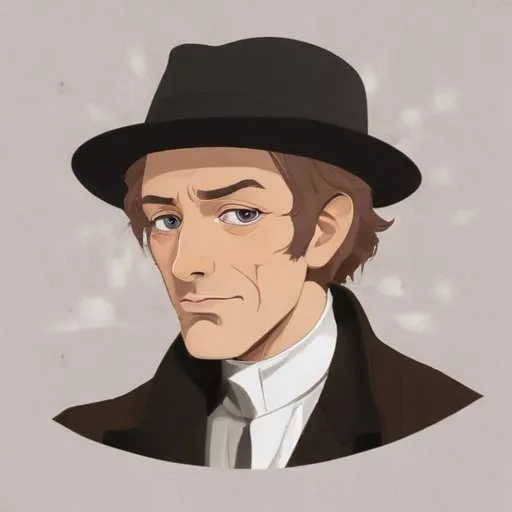
A 17th-century French painter known for his dramatic and expressive use of chiaroscuro, creating emotionally charged biblical scenes and portraits. His works showcase a unique blend of Caravaggism and French classicism.
Claude Vignon, a French painter, printmaker, and illustrator, is renowned for his enigmatic and contradictory works that defy categorization into a single style or term. With an impressive repertoire of artistic skills, Vignon excelled in rendering textiles, gold, and precious stones, creating vividly colored and splendidly lit masterpieces.
Born on May 19, 1593, in Tours, France, Vignon hailed from a wealthy family. He received his initial artistic training in Paris under the tutelage of Jacob Bunel, a Mannerist painter and representative of the Second School of Fontainebleau.
Vignon's artistic journey took him to Italy, where he was exposed to the innovative works of Caravaggio, Guercino, Guido Reni, and Annibale Carracci. This period of study, which likely lasted from 1609 to 1618, had a profound impact on Vignon's artistic style.
Vignon's mature works are characterized by an almost electric brushwork, rendering his subjects with an unprecedented level of expressiveness. His ability to capture the intricate details of textiles, gold, and precious stones earned him recognition among his contemporaries.
Vignon's artistic style, though influenced by the Caravaggisti, defied easy categorization. His use of vivid colors and chiaroscuro created a sense of drama and tension, reflecting his fascination with the human condition.
Vignon's personal life was marked by significant events, including his marriage to Charlotte de Leu and his attack by bandits in Barcelona.
Claude Vignon's artistic contributions continue to inspire artists and art enthusiasts alike. His innovative use of color and light paved the way for future generations of artists, solidifying his position as a master of his craft.
Vignon's artistic style, though influenced by Caravaggio and his followers, maintained a unique identity. His ability to blend disparate styles and techniques created a distinctive visual language that set him apart from his contemporaries.
Vignon's perseverance in the face of adversity, including his attack by bandits, serves as a testament to his dedication to his craft. His artistic legacy continues to inspire and motivate artists to push the boundaries of their creativity.
Through his vibrant and expressive works, Claude Vignon left an indelible mark on the art world, cementing his position as one of the most important French painters of the 17th century.
Born in 1619
A dominant figure in 17th-century French art, he was a painter, art theorist, and director of the Gobelins Manufactory, creating grandiose and dramatic works that epitomized the French Baroque style. He wrote extensively on art theory, influencing generations of artists.
Born in 1659
A prominent portrait painter of the French monarchy and aristocracy, capturing the essence of 17th and 18th century European royalty with exquisite detail and realism.
Born in 1732
A prolific Rococo painter and etcher, renowned for his delicate, whimsical, and often erotic works that capture the carefree spirit of 18th-century French aristocracy. His art often featured lush landscapes, gentle colors, and playful scenes of love and leisure.
Born in 1703
A prominent artist of the Rococo style, known for his delicate and ornate paintings, often depicting mythological and pastoral scenes, as well as designing sets for the Paris Opera.
Born in 1599
A renowned Spanish painter and educator, known for his masterful use of chiaroscuro and his iconic portraits of royalty, particularly the Spanish royal family.
