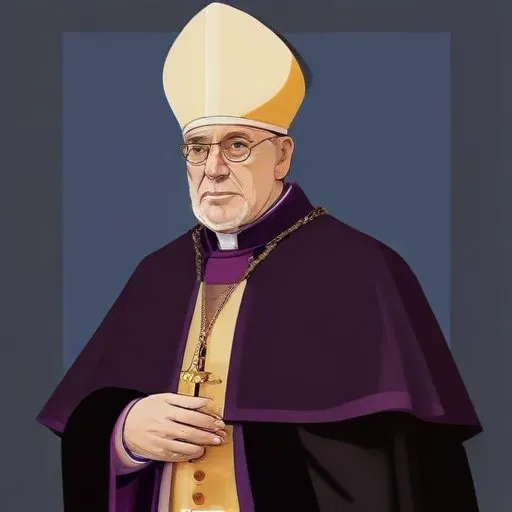
Count Hieronymus von Colloredo: The Enlightenment Patron Who Nurtured Musical Genius
The Maecenas of Salzburg
Count Hieronymus von Colloredo, the 18th-century Archbishop of Salzburg, is revered for his unwavering patronage of the arts, particularly music. As a champion of Enlightenment values, he fostered an environment that allowed some of the most iconic figures in classical music to flourish, including none other than
Wolfgang Amadeus Mozart.
A Life of Devotion and Reform
Born in 1732, Colloredo was raised in a noble Austrian family and ordained as a priest at the age of 22. His rapid rise through the ecclesiastical ranks was marked by his advocacy for Enlightenment ideals, which emphasized reason, education, and individual liberty. As Archbishop of Salzburg, he implemented a series of reforms aimed at modernizing the Catholic Church, promoting education, and encouraging cultural development.
A Musical Legacy
Colloredo's most enduring legacy lies in his patronage of music. He recognized the genius of Mozart, then a young and struggling composer, and appointed him as his court musician in 1769. Under the Count's patronage, Mozart produced some of his most celebrated works, including
Exsultate, Jubilate and
Idomeneo. Colloredo's support extended beyond Mozart, as he also sponsored the careers of other prominent composers, such as
Michael Haydn and Anton Cajetan Adlgasser.
A Cultural Visionary
The Count's commitment to the arts went beyond music. He established the Salzburg University, which became a hub for intellectual and cultural pursuits. His court attracted a diverse array of artists, writers, and thinkers, creating a vibrant cultural landscape that reflected the values of the Enlightenment.
Personal Milestones and Key Life Events
- 1732: Born in Lichtenstein, Austria
- 1757: Ordained as a priest and appointed as the Bishop of Gurk
- 1769: Appointed as the Archbishop of Salzburg and begins patronage of Mozart
- 1783: Establishes the Salzburg University
- 1812: Dies in Salzburg, leaving behind a legacy as a champion of the arts and Enlightenment values
Philosophical Contributions and Beliefs
Colloredo's philosophical outlook was shaped by the ideals of the Enlightenment. He believed in the power of education and reason to transform society, and his reforms aimed to create a more enlightened and tolerant Church. His patronage of the arts reflected his conviction that culture and education were essential to human flourishing.
Influence on Modern Society
The Count's legacy extends beyond the world of classical music. His commitment to education, cultural development, and individual liberty has inspired generations of artists, intellectuals, and thinkers. As a champion of the Enlightenment, he helped shape the values of modern society, emphasizing the importance of reason, tolerance, and humanism.
Historical Context and Legacy
Colloredo's life and legacy are inextricably linked to the cultural and intellectual ferment of 18th-century Europe. His patronage of Mozart and other artists helped forge a cultural landscape that continues to inspire and enrich us today. As a champion of the Enlightenment, he played a pivotal role in shaping the values and ideals that underpin modern Western society.
FAQ
What was the significance of Count Hieronymus von Colloredos archbishopric in Salzburg?
Count Hieronymus von Colloredos archbishopric in Salzburg was marked by reforms and modernization, including the establishment of a seminary, the promotion of education, and the improvement of the Churchs administration. He also supported the arts, commissioning works by notable composers, including Mozart.
How did Count Hieronymus von Colloredo respond to the Enlightenment and its impact on the Catholic Church?
Count Hieronymus von Colloredo was an enlightened and progressive thinker who sought to adapt the Church to the changing times. He promoted the ideals of the Enlightenment, including reason, tolerance, and education, while maintaining the Churchs traditional values.
What were the cultural achievements of Count Hieronymus von Colloredos archbishopric?
Count Hieronymus von Colloredos archbishopric was a cultural golden age, marked by the flourishing of music, art, and literature. He patronized famous composers, including Mozart, and encouraged the development of the Salzburg Festival.
How did Count Hieronymus von Colloredo balance his role as an archbishop and a secular ruler?
Count Hieronymus von Colloredo effectively balanced his roles as an archbishop and a secular ruler, using his secular power to promote the welfare of his people and his ecclesiastical authority to guide the Church. He was a wise and pragmatic leader who prioritized the well-being of his subjects.
What is Count Hieronymus von Colloredos legacy in the Catholic Church?
Count Hieronymus von Colloredos legacy in the Catholic Church is one of reform, modernization, and cultural achievement. He is remembered as a forward-thinking leader who adapted the Church to the changing needs of his time, promoting education, tolerance, and the arts.