


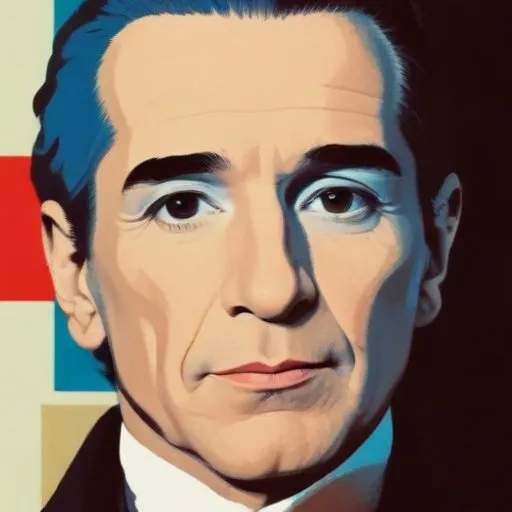
Austrian singer and composer known for his sacred music and symphonies, particularly his contributions to the Classical period. He was a prolific composer, writing over 800 works during his lifetime.
Michael Haydn, the younger brother of the renowned composer Joseph Haydn, is often overlooked in the annals of music history. However, he was a prolific and talented composer in his own right, leaving behind a rich legacy of classical music that continues to inspire and delight audiences today.
Born on September 14, 1737, in the Austrian village of Rohrau, Michael Haydn was surrounded by music from a young age. His father, Mathias Haydn, was a wheelwright and amateur musician who encouraged his children to develop their musical talents. Michael's mother, Maria, had previously worked as a cook in the palace of Count Harrach, where she would have been exposed to the rich cultural heritage of the aristocracy.
At the tender age of eight, Michael Haydn was sent to Vienna to pursue his musical education. His brother Joseph, already an accomplished musician, helped pave the way for Michael's entry into the St. Stephen's Cathedral choir, where he would go on to become a talented organist and composer.
Michael Haydn's compositional output was staggering, with over 800 works to his name, including symphonies, operas, oratorios, and chamber music. While his style was often compared to that of his brother Joseph, Michael's music displays a unique blend of lyricism, elegance, and drama.
Some of his most notable works include his symphonies, which showcase his mastery of classical form and his ability to craft memorable melodies. His operas, such as Andromeda und Perseus and Bertoldo und Bertoldino, demonstrate his flair for the dramatic and his ability to craft engaging characters.
Despite his significant contributions to the world of classical music, Michael Haydn's legacy has often been overshadowed by that of his brother Joseph. However, in recent years, there has been a growing recognition of Michael's importance as a composer in his own right.
His music has influenced a range of composers, from Mozart to Beethoven, and continues to be performed and recorded by orchestras and chamber music ensembles around the world.
Michael Haydn's personal life was marked by a deep devotion to his faith and his family. He was a devout Catholic and often incorporated religious themes into his music.
In 1768, he married Maria Magdalena Lipp, with whom he had two children. The couple's marriage was marked by tragedy, however, with the death of their son in 1784.
Michael Haydn's life and music are a testament to his dedication, perseverance, and passion for his art. While he may not have achieved the same level of fame as his brother Joseph, he remains an important figure in the world of classical music, and his legacy continues to inspire and delight audiences today.
As we delve into the world of Michael Haydn, we are reminded of the power of music to transcend time and touch our hearts. His story is a testament to the enduring power of creativity and the importance of preserving our cultural heritage for future generations.
Born in 1732
A renowned composer and pianist of the Classical period, known for his symphonies, operas, and chamber music that showcased his innovative and expressive style. He played a significant role in shaping the Classical music era.
Born in 1756
A child prodigy and master of classical music, he composed over 600 works, including symphonies, operas, and chamber music, that continue to inspire and influence musicians today.
Born in 1770
A musical genius who expanded the possibilities of classical music, creating iconic symphonies and piano sonatas that continue to inspire and influence generations of artists.
Born in 1797
A renowned composer of symphonies, operas, and chamber music, particularly famous for his emotional and expressive lieder (art songs) that showcased his mastery of melody and harmony.
Born in 1750
A renowned 18th-century composer and conductor, known for his operas and rivalry with Mozart, as depicted in the movie Amadeus.
Born in 1714
A pioneering opera composer who revolutionized the art form with his innovative and expressive works, blending music and drama in a way that captivated audiences.
Born in 1782
A virtuosic violinist and composer who revolutionized the instrument's technical possibilities, leaving an indelible mark on classical music.
Born in 1811
A virtuosic pianist and composer who revolutionized classical music with his technically demanding and emotionally expressive works, blending Hungarian folk influences with Romantic-era drama.
