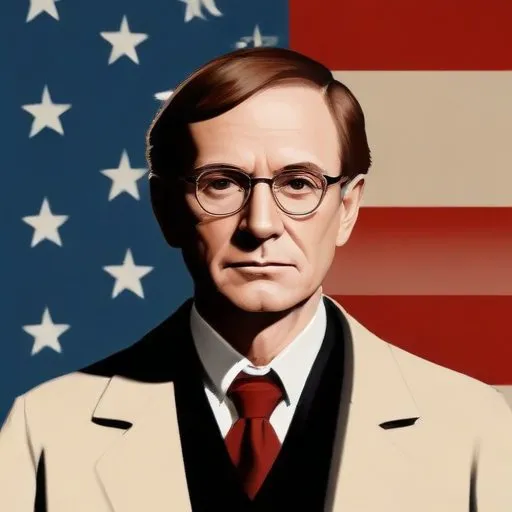
Dwight B. Waldo: The Visionary President of Western Michigan University
A Legacy of Innovation and Inclusion
Dwight B. Waldo, the first President of Western Michigan University (WMU), left an indelible mark on the institution and the world of education. During his remarkable tenure from 1904 to 1936, Waldo transformed WMU into a beacon of diversity, inclusivity, and academic excellence, earning him a revered place in the annals of American education.
A Childhood Shaped by Curiosity and Determination
Born on June 13, 1864, in Arcade, New York, Waldo's early life was marked by a sense of adventure and a thirst for knowledge. He spent his childhood in Plainwell, Michigan, where his family moved when he was just 10 years old. This upbringing instilled in him a strong work ethic and an unwavering commitment to his community.
A Trailblazing Academic Career
Waldo's academic pursuits took him to Michigan State Agricultural College (now Michigan State University) and Albion College, where he earned his MA. He began his teaching career as a principal in Michigan, eventually becoming the principal of WMU in 1904. Under his leadership, the institution grew from a humble normal school to a four-year teachers college, earning Waldo the distinction of being one of the first instructors at WMU.
A Champion of Rural Education and Diversity
One of Waldo's most significant contributions was the establishment of a rural school department, the first of its kind in the nation. This innovative move enabled WMU to prepare teachers for the unique challenges of rural education, cementing the university's reputation as a leader in teacher education. Waldo's commitment to diversity and inclusion was unwavering, as he worked tirelessly to provide opportunities for women and minorities to attend the college.
A Leader During Turbulent Times
During the Great Depression, Waldo's leadership proved instrumental in keeping WMU afloat, despite the odds. His determination and resilience inspired a generation of students, faculty, and staff to persevere through the darkest of times.
A Lasting Legacy
In recognition of his outstanding contributions, the Western Michigan University stadium and library were named in Waldo's honor. He received honorary degrees from Kalamazoo College and Michigan State University, a testament to his far-reaching impact on American education.
Personal Milestones and Relationships
Waldo's personal life was marked by love, loss, and perseverance. He married Minnie Strong, with whom he had two children, Herbert and Ruth. After Minnie's passing, he married Eliza Lilian Trudgeon in 1904.
Quotes and Memorable Sayings
Though Waldo's words are not as widely recorded as his deeds, his actions spoke volumes about his dedication to education and his community. His legacy continues to inspire generations of educators, students, and leaders, serving as a powerful reminder of the transformative power of innovation and inclusivity.
Historical Context and Legacy
In the context of American education, Waldo's contributions cannot be overstated. His pioneering spirit, commitment to diversity, and innovative approach to education have left an indelible mark on the landscape of higher education. As we look to the future, Waldo's legacy serves as a beacon, guiding us towards a brighter, more inclusive tomorrow.
FAQ
What were Dwight B. Waldos contributions to the field of history?
Dwight B. Waldo was an American historian and academic who made significant contributions to the field of history. He was a renowned expert on American history and was known for his in-depth analysis of historical events.
What was Dwight B. Waldos most notable work in the field of history?
Waldos most notable work was his comprehensive history of the American administration system, which remains a seminal work in the field of American history.
How did Dwight B. Waldos work influence the study of American history?
Waldos work had a significant impact on the study of American history. His comprehensive approach and in-depth analysis set a new standard for historical research and continue to influence historians today.
What awards and recognition did Dwight B. Waldo receive for his contributions to history?
Waldo received numerous awards and recognition for his contributions to history. He was a respected academic and was recognized as one of the leading historians of his time.
What legacy did Dwight B. Waldo leave behind in the field of history?
Waldos legacy in the field of history is one of innovation and pioneering spirit. He continues to influence historians today, and his work remains a foundation for the study of American history.