


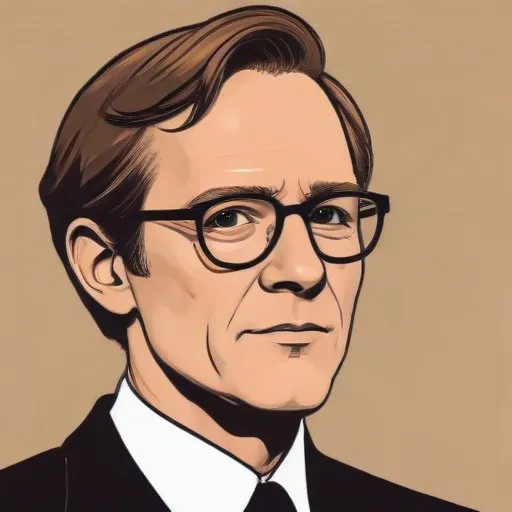
A renowned composer and conductor of choral and orchestral music, particularly celebrated for his arrangements of American folk songs and hymns. His work is characterized by its beauty, simplicity, and emotional depth.
Dwight Gustafson was an American composer, conductor, and educator, renowned for his profound impact on the world of sacred music and fine arts. As the Dean of the School of Fine Arts at Bob Jones University, Gustafson's four-decade tenure witnessed a remarkable transformation in the institution's music and arts programs.
Born on April 20, 1930, in Seattle, Washington, Gustafson grew up in an artistic family, with his mother being a pianist, harpist, and artist. He developed an early interest in art and design, but later shifted his focus to music. Gustafson graduated from Queen Anne High School in 1948 and went on to pursue his Bachelor's degree at Bob Jones University.
Gustafson's career took off when he was appointed as the Dean of the School of Fine Arts at Bob Jones University at the age of 24, shortly before graduating with an M.A. in music. This appointment marked the beginning of his remarkable leadership, which spanned over four decades. Gustafson also earned a D. Mus. in composition from Florida State University and was selected to study at the prestigious Aspen School of Music in 1960.
Gustafson's compositional output includes over 160 works, encompassing a wide range of genres, from sacred choral music to film scores. He was particularly known for his contributions to the realm of sacred music, with compositions like Three Psalms for Chorus and Orchestra (1989) and Words of Passion and Resurrection (2002). His music is characterized by its elegance, sophistication, and profound emotional depth.
Gustafson's tireless efforts as an administrator, conductor, and composer have left an indelible mark on the world of fine arts. His commitment to nurturing young talent and fostering a culture of artistic excellence has inspired generations of students and musicians. As a testament to his contributions, Gustafson's music continues to be performed and cherished by audiences around the world.
Gustafson's achievements have been recognized through various awards and honors, including the prestigious American Choral Directors Association's (ACDA) Brock Commission, which he received in 2002.
Gustafson's personal life was marked by significant milestones, including his marriage and the birth of his children. Despite his demanding professional schedule, he remained devoted to his family and was deeply rooted in his Christian faith.
Dwight Gustafson's remarkable journey serves as a testament to the power of dedication, passion, and service. As an educator, composer, and conductor, he has left an enduring legacy that continues to inspire and elevate the world of fine arts.
Born in 1918
A renowned musician who blended jazz, classical, and Broadway styles, creating iconic works like West Side Story, and inspiring generations with his charismatic performances and innovative compositions.
Born in 1900
A renowned composer, conductor, and educator who blended folk and modernist elements to create iconic American classical music, including "Appalachian Spring" and "Fanfare for the Common Man".
Born in 1910
A renowned pianist and composer who blended romanticism and modernism, creating iconic works like "Adagio for Strings" that evoke powerful emotions.
Born in 1910
A renowned composer and educator, he was the first president of the Juilliard School and won the Pulitzer Prize for Music in 1943. He's known for his contributions to American classical music.
Born in 1894
A renowned composer, theorist, and academic who made significant contributions to the development of American classical music, particularly in the realm of harmony and counterpoint.
Born in 1896
A renowned composer, conductor, and educator who made significant contributions to American classical music, particularly through his Romantic-style symphonies and leadership of the Eastman School of Music.
Born in 1908
A pioneering composer of modern classical music, known for his complex and innovative works that pushed the boundaries of harmony and rhythm.
Born in 1915
An American composer and educator, known for his neoclassical style and contributions to the development of American music, particularly in the mid-20th century.
