


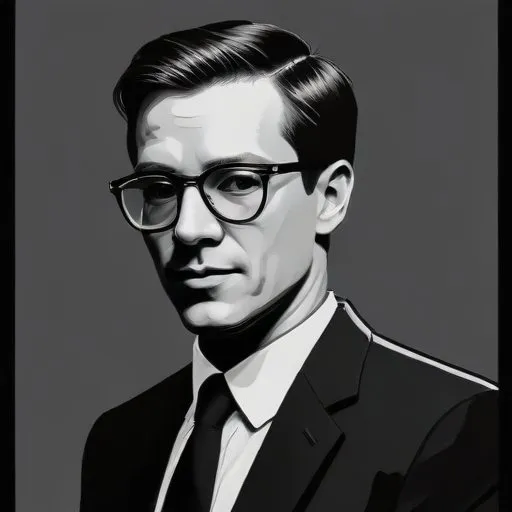
Pulitzer Prize-winning photographer and journalist who captured the iconic "Saigon Execution" photo during the Vietnam War, exposing the brutal reality of conflict to the world.
Eddie Adams is synonymous with one of the most iconic and haunting images of the Vietnam War – the summary execution of Nguyn Vn Lm, a Viet Cong prisoner of war, by police chief General Nguyn Ngc Loan on a Saigon street in 1968. This Pulitzer Prize-winning photograph not only captured the brutality of war but also humanized the conflict, making Adams a household name in the world of photojournalism.
Born on June 12, 1933, in New Kensington, Pennsylvania, Adams grew up with a passion for photography. His journey began in the United States Marine Corps, where he served as a combat photographer during the Korean War. This experience laid the foundation for his future work, as he went on to cover 13 wars, including the Vietnam War, where he took his most famous photograph.
Adams' photograph of the execution was a game-changer in many ways. Not only did it win him the 1969 Pulitzer Prize for Spot News Photography, but it also sparked a national conversation about the nature of war and the role of the press in covering it. The image was both praised and criticized, with some arguing that it was too graphic and others seeing it as a necessary wake-up call to the realities of conflict.
Adams' work went beyond just capturing the chaos of war. He was driven by a deep sense of humanity and a desire to tell the stories of those affected by conflict. His photographs often highlighted the plight of civilians, refugees, and prisoners of war, giving a voice to those who were voiceless.
Adams' work has had a profound impact on modern photojournalism. His commitment to telling the stories of those in the midst of conflict has inspired generations of photographers to follow in his footsteps. His legacy continues to be felt in the work of photographers who cover conflicts around the world, from the Middle East to Eastern Europe.
Adams lived in Bogota, New Jersey, and continued to work as a photographer until his passing on September 19, 2004. His legacy lives on through his photographs, which continue to haunt and inspire us to this day.
Eddie Adams' work is a testament to the power of photography to shape our understanding of the world. His photographs have become a part of our collective consciousness, a reminder of the human cost of war and the importance of empathy and compassion. As we continue to navigate the complexities of modern conflict, Adams' work serves as a powerful reminder of the importance of bearing witness to the human experience.
90 Years Old
A renowned war photographer and correspondent, capturing the harsh realities of conflict and human suffering through his lens, with a career spanning over 60 years.
Born in 1908
A pioneer of street photography, capturing life's fleeting moments in elegant, geometric compositions that defined the genre. Known for coining the term "the decisive moment."
Born in 1913
A pioneering war photographer and journalist, capturing iconic images of conflict and human struggle, particularly during World War II and the Spanish Civil War.
Born in 1904
Pioneering photographer and journalist who captured iconic images of the Great Depression and World War II, and was the first woman to fly on a combat mission.
Born in 1907
A pioneering photojournalist capturing iconic images of World War II, the Great Depression, and major historical events, telling stories through powerful, evocative photographs.
Born in 1912
A pioneering African American photographer and filmmaker who captured the lives of marginalized communities, exposing social injustices through powerful, poignant images.
Born in 1902
Pioneering landscape photographer and conservationist capturing iconic black-and-white images of the American West, advocating for environmental protection through art.
