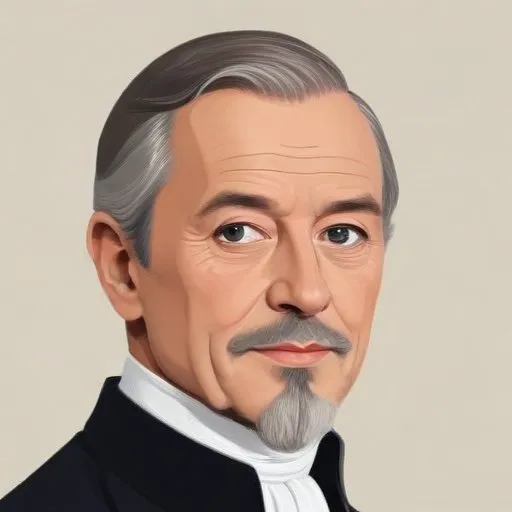
Edmund Grey, 1st Earl of Kent: A Powerhouse of Loyalty and Ambition
A Legacy of Service and Rebellion
Edmund Grey, 1st Earl of Kent, was a stalwart of English nobility, known for his unwavering loyalty to the crown and his unrelenting ambition in the treacherous landscape of the Wars of the Roses. As a great-grandson of
John of Gaunt, 1st Duke of Lancaster, and a descendant of King
Edward III of England, Grey's lineage was steeped in prestige and power.
A Knighthood Born of Loyalty
Grey's journey to greatness began in October 1440, when he was knighted following his service in Aquitaine. This honor was a testament to his unwavering dedication to the crown, a quality that would define his life and legacy.
A Master of Politics and War
Grey's military prowess was matched only by his keen political instincts. He played a pivotal role in the Battle of Northampton, where he famously switched his allegiance from the Lancastrian to the Yorkist cause, securing a decisive victory for the latter. This bold move earned him a grant of the manor of Ampthill from
Edward IV, cementing his status as a trusted advisor and loyal subject.
A Treasurer of Unwavering Faith
On June 24, 1463, Grey was appointed Treasurer of England, a position he held until November 1464, when Walter Blount succeeded him. This role solidified his position as a trusted member of the royal council, where he attended regularly between 1456 and 1458.
Earl of Kent: A Title Born of Loyalty and Ambition
Grey's crowning achievement came on May 30, 1465, when he was created Earl of Kent, a title granted to him shortly after the marriage of his eldest son, Anthony, to Joan Woodville, the king's sister-in-law. This newfound status was accompanied by appointments as chief justice of the county of Merionnyth, North Wales, and constable of Harlech.
A Life of Service and Legacy
Throughout his life, Grey held numerous high offices under Edward IV and Richard III. On July 5, 1483, he was made a Knight of the Bath, further solidifying his position among the nobility. In 1485, he served as constable of Northampton Castle, a testament to his enduring legacy of service and loyalty.
Personal Milestones and Key Life Events
- In 1440, Grey succeeded his grandfather, Reginald Grey, 3rd Baron Grey de Ruthyn.
- He married Lady Katherine Percy, great-granddaughter of John of Gaunt, solidifying his ties to the royal family.
- Grey's eldest son, Anthony, married Joan Woodville, sister-in-law of Edward IV, securing his family's position among the nobility.
A Lasting Impact on English History
Edmund Grey, 1st Earl of Kent, left an indelible mark on English history, his life a testament to the enduring power of loyalty, ambition, and dedication. As a steadfast servant of the crown, he navigated the treacherous landscape of the Wars of the Roses, emerging as one of the most powerful and respected figures of his time.
FAQ
What was Edmund Grey, 1st Earl of Kents role in English politics?
Edmund Grey, 1st Earl of Kent was a prominent English nobleman and politician who served as Lord High Treasurer during the Wars of the Roses. He was a key advisor to King Edward IV and played a significant role in shaping English politics during this period.
What was Edmund Greys involvement in the Wars of the Roses?
Edmund Grey fought on the side of the Yorkists during the Wars of the Roses and was a key supporter of King Edward IV. He played a crucial role in the Battle of Towton, which cemented Edwards claim to the throne.
What were Edmund Greys contributions to English law?
Edmund Grey was involved in the creation of several important English laws, including the Act of Resumption and the Act of Attainder. He also played a role in the development of the English parliament and its procedures.
How did Edmund Greys family influence English history?
Edmund Greys family, the Greys, played a significant role in English history, with several members holding prominent positions in government and society. His descendants included several prominent nobles and politicians.
What is Edmund Greys legacy?
Edmund Greys legacy is that of a shrewd and capable politician who played a key role in shaping English history during a tumultuous period. He is remembered as a loyal servant of the crown and a skilled administrator.