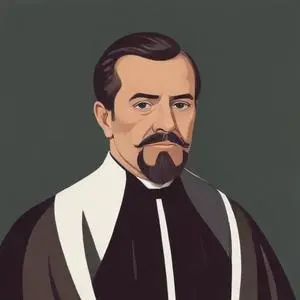
Sir Edward Coke: The Greatest Jurist of the Elizabethan and Jacobean Eras
A Champion of the Law and Defender of Common Rights
Sir Edward Coke is renowned for his unwavering commitment to upholding the rule of law and protecting the rights of the common man. As a prominent barrister, judge, and politician, Coke played a pivotal role in shaping the English judicial system, earning him the distinction of being considered the greatest jurist of his time.
Early Life and Education
Born on February 1, 1552, into an upper-class family, Coke received his early education at Trinity College, Cambridge. He later pursued his studies at the Inner Temple, where he was called to the Bar in 1578.
Rise to Prominence
Coke's exceptional skills as a barrister led to his involvement in several notable cases, including Slades Case. His expertise and reputation soon earned him political favor, resulting in his election to Parliament. He served as Solicitor General and later as Speaker of the House of Commons, where he developed a reputation for his unwavering dedication to the law.
Prosecutorial Tenure and Notable Cases
As Attorney General, Coke led the prosecution in several high-profile cases, including those against Robert Devereux, Sir
Walter Raleigh, and the Gunpowder Plot conspirators. His success in these cases further solidified his position as a respected jurist.
Judicial Career and Landmark Rulings
Coke's promotion to Chief Justice of the Common Pleas saw him make several landmark rulings. He restricted the use of the ex officio Star Chamber oath and, in the Case of Proclamations and Dr. Bonham's Case, declared the King to be subject to the law, and the laws of Parliament to be void if in violation of common right and reason. These decisions ultimately led to his transfer to the Chief Justiceship of the King's Bench.
A Champion of Constitutional Rights
Coke's judicial career was marked by his unwavering commitment to upholding constitutional rights. He restricted the definition of treason and declared a royal letter illegal, leading to his eventual dismissal from the bench in 1616. Undeterred, Coke returned to Parliament, where he became a leading member of the opposition and campaigned for the Statute of Monopolies and the Petition of Right.
Legislative Achievements
Coke played a crucial role in the passage of two significant legislative documents:
- The Statute of Monopolies (1610), which substantially restricted the ability of the monarch to grant patents
- The Petition of Right (1628), a document considered one of the three crucial constitutional documents of England, along with Magna Carta and the Bill of Rights 1689
Personal Milestones and Key Life Events
- Knighted in recognition of his services to the law and the Crown
- Married to Bridget Paston, with whom he had several children
- Died on September 3, 1634, at the age of 82, leaving behind a legacy as one of the most prominent jurists in English history
Influence on Modern Society
Sir Edward Coke's tireless efforts to defend constitutional rights and uphold the rule of law have had a lasting impact on modern society. His contributions to the development of English law have shaped the course of legal history, earning him a place among the greatest jurists of all time.
FAQ
What was Edward Cokes role in English law?
Edward Coke was an English lawyer, judge, and politician who played a crucial role in shaping English law and politics during the 16th and 17th centuries.
How did Edward Coke contribute to the development of English common law?
Edward Coke was a prolific writer on English law, and his works, including Institutes of the Laws of England, were highly influential in shaping the development of English common law.
What was Edward Cokes relationship like with the English monarchy?
Edward Coke was a strong opponent of royal absolutism and advocated for the supremacy of Parliament in English politics.
Did Edward Coke face any challenges during his career?
Yes, Edward Coke faced opposition from King James I, who viewed his ideas as a threat to royal authority.
What is Edward Cokes legacy in English law?
Edward Coke is remembered as one of the most important figures in English legal history, and his works continue to influence English law and politics to this day.