


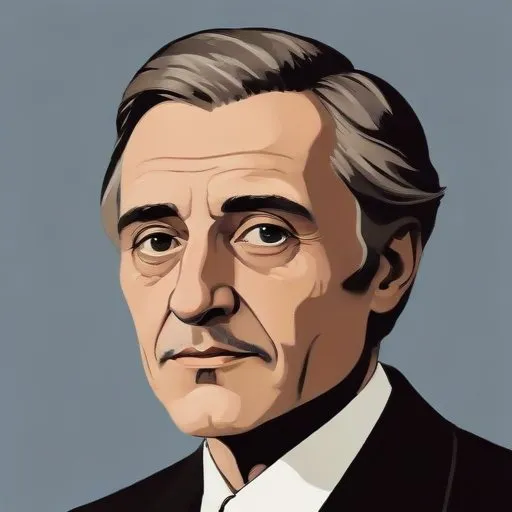
A renowned Estonian literary figure, celebrated for his lyrical poetry and children's books that have become staples of Estonian culture.
Ernst Enno, born on May 27, 1875, in Valguta, Estonia, was a renowned Estonian poet and writer, celebrated for his enchanting works that whispered secrets of the natural world and the human experience. His poetic voice, infused with the essence of Buddhism and Western mysticism, continues to captivate readers to this day.
Enno's childhood, spent on the picturesque Soosaar farm in Valguta, near Rngu, laid the foundation for his fascination with nature and the mystical. His devout mother, Ann Enno, and blind grandmother regaled him with stories that would later seep into his writing, imbuing it with a sense of longing and a deep connection to the land.
Enno's intellectual pursuits took him to the prestigious Hugo Treffner Gymnasium and later to the Riga Polytechnic Institute, where he studied business administration from 1896 to 1904. During his time in Riga, he worked as a journalist, honing his writing skills and developing a keen eye for observation.
Enno's published works are a testament to his unique voice and poetic vision. Some of his notable collections include:
Enno's contributions to Estonian literature were recognized during his lifetime, and he was honored with various awards and accolades for his work.
In 1909, Enno married the talented artist Elfriede Olga Saul, with whom he shared a deep bond that lasted a lifetime.
Ernst Enno's body of work continues to inspire generations of writers and poets, offering a glimpse into the mystical and the whimsical. His poetry, infused with the essence of the natural world, reminds us of the beauty and wonder that surrounds us.
As we delve into the world of Ernst Enno, we are reminded of the transformative power of poetry to capture the essence of the human experience. His legacy serves as a testament to the enduring power of art to inspire, to console, and to uplift.
Born in 1803
Estonian physician and author who collected and published Estonian folklore, including the national epic "Kalevipoeg", which helped to establish Estonian as a literary language.
Born in 1843
Estonian poet and playwright who wrote about love, nature, and social issues, and is considered the founder of Estonian theatre.
Born in 1841
Estonian journalist and politician who advocated for Estonian independence from Russia and was a key figure in the country's struggle for self-governance. He's known for his passionate writings and speeches that inspired a nation.
Born in 1890
A 19th-century Estonian Renaissance figure, he was a poet who wrote about national identity and freedom, and also served as a physician and politician, playing a key role in Estonia's struggle for independence.
Born in 1890
A celebrated Estonian literary figure, known for his poignant poetry and novels that explored the human condition, love, and the Estonian identity.
Born in 1891
Estonian poet and author, known for his romantic and patriotic works, which played a significant role in shaping the country's literary identity. His poetry often explored themes of love, nature, and national pride.
