


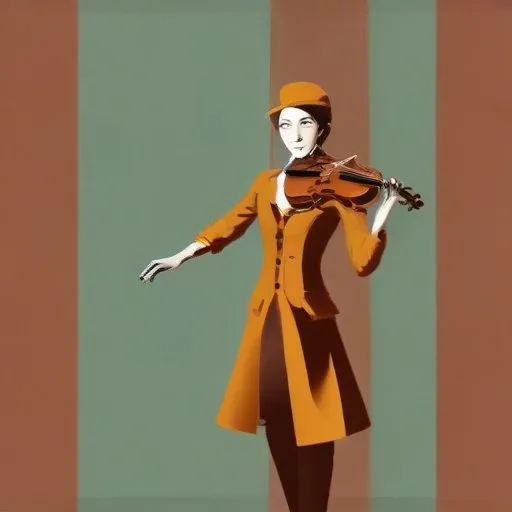
A renowned 18th-century virtuoso, he was a prolific composer of concertos, symphonies, and operas, and a prominent figure in London's musical scene.
Felice Giardini, an 18th-century Italian composer and violinist, was a child prodigy who rose to fame with his exceptional talent, electrifying performances, and innovative compositions. Known for his mastery of the violin, Giardini was hailed as the greatest musical performing artist of his time, enthralling audiences across Europe with his virtuosic skills.
Born in Turin on April 12, 1716, Giardini's prodigious talent was evident from an early age. His father, recognizing his son's gift, sent him to Milan to study singing, harpsichord, and violin. Under the guidance of esteemed musicians, Giardini honed his craft, and by the age of 12, he was already performing in theatre orchestras.
A pivotal incident in Giardini's early career occurred when, as assistant concertmaster, he played a solo passage for violin during an opera. In a moment of youthful bravado, he improvised several variations, impressing the audience but not the composer, Niccolò Jommelli. Jommelli, displeased with the unauthorized additions, publicly slapped Giardini in the face. This chastening experience, Giardini later reflected, was "the most instructive lesson I ever received from a great artist."
In the 1750s, Giardini embarked on a tour of Europe, dazzling audiences in Paris, Berlin, and London. His performances in England earned him widespread acclaim, and he eventually settled in London, becoming the orchestra leader and director of the Italian Opera. He formed a close friendship with J.C. Bach, with whom he gave solo concerts. Giardini's virtuosity and charismatic stage presence captivated the English public, solidifying his reputation as the premier musical performer of his era.
Giardini was a prolific composer, leaving behind a legacy of works that showcase his mastery of the violin. His compositions, characterized by lyricism, technical complexity, and innovative use of harmony, continue to inspire and influence generations of musicians. Although largely forgotten in the later years of his life, Giardini's contributions to the world of music remain significant, and his story serves as a testament to the transformative power of art.
Giardini's life was marked by frequent travels, as he sought new opportunities and challenges. In the mid-1750s, he attempted to establish a public music school in London, but the venture ultimately failed. He later returned to Naples, where he encountered financial setbacks, and eventually, he traveled to Russia, but again, he faced disappointment. Giardini's final years were marked by hardship, and he passed away in Moscow on June 8, 1796.
Felice Giardini's life and legacy serve as a testament to the enduring power of music. His innovative compositions and virtuosic performances raised the bar for future generations of musicians, influencing the development of classical music. Today, his story inspires us to pursue our passions, overcome adversity, and strive for excellence.
"It was the most instructive lesson I ever received from a great artist." – Felice Giardini, reflecting on his encounter with Niccolò Jommelli.
Giardini's fascinating life, marked by triumph and adversity, continues to captivate audiences, inspiring us to appreciate the beauty and significance of classical music.
Born in 1782
A virtuosic violinist and composer who revolutionized the instrument's technical possibilities, leaving an indelible mark on classical music.
Born in 1756
A child prodigy and master of classical music, he composed over 600 works, including symphonies, operas, and chamber music, that continue to inspire and influence musicians today.
Born in 1770
A musical genius who expanded the possibilities of classical music, creating iconic symphonies and piano sonatas that continue to inspire and influence generations of artists.
Born in 1685
A master of Baroque music, he composed over 1,000 works, including orchestral suites, cantatas, and passions, that still inspire and influence musicians today. His innovative use of counterpoint and harmony raised the bar for classical music.
Born in 1678
A virtuosic violinist and prolific composer, he crafted over 400 concertos, including "The Four Seasons," which remains a beloved and iconic masterpiece of classical music.
Born in 1692
A virtuosic violinist and composer who wrote over 150 concertos and sonatas, known for his technically demanding and expressive works that showcased his mastery of the instrument.
Born in 1653
A virtuosic violinist and composer who revolutionized the concerto grosso form, creating a new era of classical music. His influential works elevated the violin to a solo instrument, shaping the course of Western classical music.
Born in 1755
A virtuosic violinist and prolific composer, he wrote over 30 violin concertos and influenced the development of the classical violin concerto. His music is still performed and admired today.
