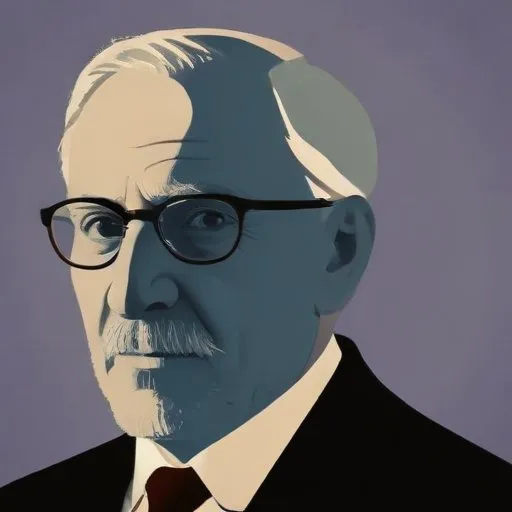
The Pioneering Biochemist: Feodor Felix Konrad Lynen
A Nobel Laureate in Lipid Metabolism
Feodor Felix Konrad Lynen was a German biochemist who made groundbreaking contributions to our understanding of lipid metabolism, earning him the Nobel Prize in Physiology or Medicine in 1964. His pioneering work on the biosynthesis of cholesterol revolutionized the field, shedding light on the intricate processes that govern the regulation of cholesterol levels in the body.
Early Life and Education
Born on April 6, 1911, in Munich, Germany, Lynen was the son of a chemist. This early exposure to the world of chemistry likely sparked his interest in the field, which he would go on to dominate. He pursued his academic interests at the University of Munich, where he received his Ph.D. in 1937.
Career Highlights and Major Works
Lynen's research career was marked by significant breakthroughs in the field of biochemistry. Some of his notable contributions include:
- Elucidation of the citric acid cycle: Lynen, along with Hans Krebs, helped to uncover the mechanisms of the citric acid cycle, a crucial process by which cells generate energy.
- Discovery of the role of acetyl-CoA in cholesterol biosynthesis: Lynen's work demonstrated the importance of acetyl-CoA in the formation of cholesterol, a finding that has had far-reaching implications for our understanding of lipid metabolism.
- Development of the Lynen cycle: This metabolic pathway, named after Lynen, describes the process by which the body synthesizes cholesterol from acetyl-CoA.
Awards and Honors
Lynen's outstanding contributions to biochemistry were recognized with numerous awards and honors, including:
- Nobel Prize in Physiology or Medicine (1964)
- EMBO Membership (1964)
- Foreign Honorary Member of the American Academy of Arts and Sciences (1965)
Influence on Modern Society
Lynen's work has had a profound impact on modern society, particularly in the fields of medicine and nutrition. His research on cholesterol biosynthesis has led to a greater understanding of the role of lipids in human health, informing the development of treatments for cardiovascular disease and other lipid-related disorders.
Personal Milestones and Key Life Events
Throughout his life, Lynen was driven by a passion for discovery and a commitment to advancing the field of biochemistry. Some notable milestones in his personal and professional life include:
- 1937: Received his Ph.D. from the University of Munich
- 1954: Became a professor at the University of Munich
- 1964: Awarded the Nobel Prize in Physiology or Medicine
Legacy
Feodor Felix Konrad Lynen's contributions to biochemistry have left an indelible mark on the scientific community. His pioneering work on lipid metabolism has paved the way for further research, inspiring generations of scientists to continue exploring the intricacies of human physiology. As a testament to his enduring influence, the Feodor Lynen Fellowship, established by the
Alexander von Humboldt Foundation, supports international research collaborations in the fields of biochemistry and molecular biology.
FAQ
What was Feodor Felix Konrad Lynens Nobel Prize-winning discovery?
Feodor Felix Konrad Lynen was awarded the Nobel Prize in Physiology or Medicine in 1964 for his discovery of the metabolism of cholesterol and fatty acids.
What was Feodor Felix Konrad Lynens contribution to the field of biochemistry?
Feodor Felix Konrad Lynen made significant contributions to the field of biochemistry, including the discovery of the enzyme HMG-CoA reductase and its role in cholesterol biosynthesis.
What was Feodor Felix Konrad Lynens academic background?
Feodor Felix Konrad Lynen studied chemistry at the University of Munich, where he earned his Ph.D. and later became a professor of biochemistry.
What awards did Feodor Felix Konrad Lynen receive for his work?
Feodor Felix Konrad Lynen received several awards for his contributions to biochemistry, including the Nobel Prize, the Otto Bayer Prize, and the Liebig Medal.
How did Feodor Felix Konrad Lynens work impact our understanding of human health?
Feodor Felix Konrad Lynens research on cholesterol metabolism helped lay the foundation for our understanding of lipid metabolism and its role in human health and disease.