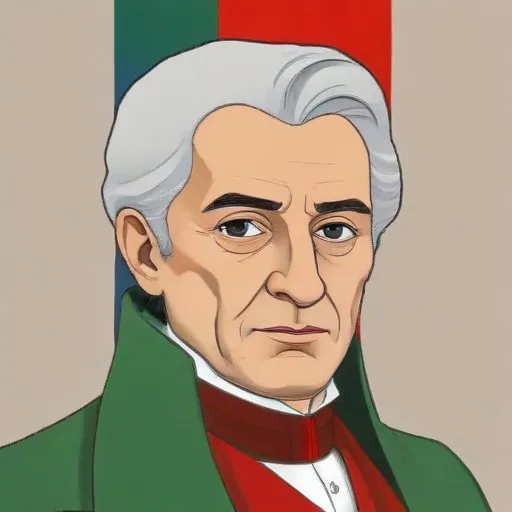
Ferenc Oslay: The Hungarian-Slovene Historian and Writer
A Prolific Contributor to Hungarian and Slovene History
Ferenc Oslay was a renowned Hungarian-Slovene historian, writer, and propagandist, best known for his contributions to the history of Prekmurje, a region in modern-day Slovenia. His extensive research and writings also delved into the local language, the Reformation, and Croatian history, making him a prominent figure in the academic circles of his time.
Early Life and Education
Born on September 22, 1883, in Filovci, a small village in the Prekmurje region, Ferenc Oslay came from a minor noble family. He completed his elementary education in Puconci and later pursued further studies in Budapest, laying the foundation for his future academic pursuits.
A Career Marked by Controversy and Contributions
Oslay's research and writings, though influential, were not without controversy. He was known for making claims that were often untenable and unprovable, such as asserting that Styria was inhabited by Hungarians, making it an ancient Hungarian area. He also posited that Slovenes in Prekmurje and Styria were assimilated Hungarians, a notion that sparked debate and criticism.
Despite the controversy, Oslay made significant contributions to the field of history, particularly in the realm of Slovene-Hungarian relations. His work was featured in Sándor Mikola's irredentist publication, Domovina, where he explored the history of Prekmurje and its cultural heritage.
Philosophical Contributions and Beliefs
Oslay's work was deeply rooted in his nationalist and irredentist beliefs, which often influenced his historical narrative. He was an ardent supporter of the anti-Slavic chauvinistic propaganda of Sándor Mikola, particularly after World War I. This ideological stance led to criticism and debate among his contemporaries.
Legacy and Impact
Ferenc Oslay's legacy is complex and multifaceted. While his contributions to the field of history are undeniable, his controversial claims and nationalist ideology have sparked ongoing debates among historians and scholars. Nonetheless, his work remains an important chapter in the study of Slovene-Hungarian relations and the history of Prekmurje.
Personal Milestones and Key Life Events
- September 22, 1883: Born in Filovci, Prekmurje region
- Early 1900s: Pursued further education in Budapest
- 1920s: Contributed to Sándor Mikola's irredentist publication, Domovina
- April 22, 1932: Passed away at the age of 48
Trivia and Fun Facts
- Ferenc Oslay's research topics included the history of Prekmurje, the local language, the Reformation, and Croatian history
- He was a prolific writer, with numerous publications to his credit
- Oslay's work continues to be studied and debated by historians and scholars today
Final Thoughts
Ferenc Oslay's life and work serve as a testament to the complexities of history and the ongoing debates that shape our understanding of the past. While controversy surrounded his claims, his contributions to the field of history remain an important part of the narrative of Slovene-Hungarian relations.
FAQ
What was Ferenc Oslays contribution to Hungarian-Slovene literature?
Ferenc Oslay was a Hungarian-Slovene historian and author who made significant contributions to the field of Hungarian-Slovene literature, writing extensively on the history and culture of the region.
How did Ferenc Oslays historical research influence his writing?
Ferenc Oslays historical research, including his studies on the Hungarian-Slovene border region, influenced his writing by giving him a deep understanding of the regions history and culture, which he incorporated into his literary works.
What were some of Ferenc Oslays notable literary works?
Ferenc Oslays notable literary works include novels, short stories, and essays that explored the themes of identity, culture, and history in the Hungarian-Slovene border region.
How did Ferenc Oslays writing reflect his own life experiences?
Ferenc Oslays writing reflected his own life experiences, including his experiences growing up in the Hungarian-Slovene border region, which gave his works a sense of authenticity and depth.
What is Ferenc Oslays legacy in Hungarian-Slovene literature?
Ferenc Oslays legacy in Hungarian-Slovene literature is that of a dedicated scholar and writer who helped to promote the regions history and culture through his literary works, leaving a lasting impact on the field.