


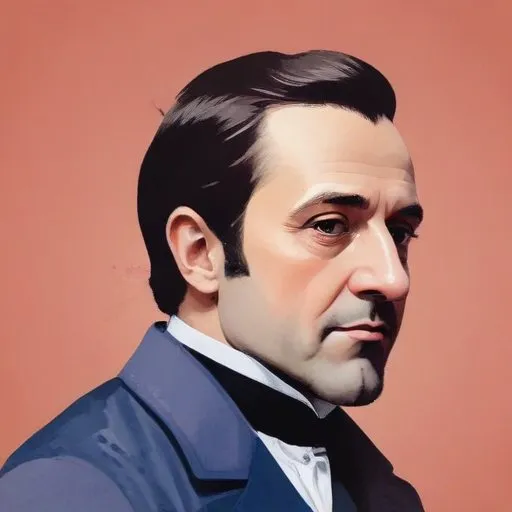
A French composer and critic who blended late Romanticism with early 20th-century modernism, creating works that showcased his unique blend of elegance and intensity. He was also a prolific writer, penning critiques and articles on music and art.
Florent Schmitt, a French composer born on September 28, 1870, is renowned for his captivating works, including La Tragédie de Salomé and Psaume XLVII (Psalm 47), which solidified his position as one of the most fascinating, yet lesser-known classical composers of France.
Schmitt's early life was marked by a passion for music, which led him to take lessons in Nancy with local composer Gustave Sandré. At the age of 19, he entered the prestigious Paris Conservatoire, where he studied under the guidance of illustrious composers such as Gabriel Fauré, Jules Massenet, Théodore Dubois, and Albert Lavignac.
In 1900, Schmitt's talents were recognized with the prestigious Prix de Rome, a distinction that catapulted him into the French musical elite. During the 1890s, he forged a lasting friendship with Frederick Delius, a British composer, and prepared vocal scores for four of Delius's operas, including Irmelin, The Magic Fountain, Koanga, and A Village Romeo and Juliet.
Schmitt's career took a dramatic turn when he became a music critic for Le Temps from 1929 to 1939. His outspoken and often provocative views sparked controversy, earning him the reputation of being an "irresponsible lunatic" among music publishers. His public outbursts, including shouting "Vive Hitler" at a 1933 concert attended by Kurt Weill, have been well-documented and widely criticized.
In 1952, Schmitt was honored with the Légion d'honneur, a testament to his contributions to French music. Despite his tumultuous career, he remained a prolific composer, leaving behind a rich legacy of works that continue to fascinate audiences today.
Schmitt's later life was marked by controversy, as his sympathies towards the Nazi party in the 1930s and his willingness to work with the Vichy regime in the 1940s came under scrutiny. Alongside other prominent French musicians, such as Alfred Cortot and Joseph Canteloube, Schmitt's actions have been the subject of intense debate and criticism.
Despite the controversy, Schmitt's music remains a testament to his innovative spirit and artistic genius. His compositions continue to inspire and influence generations of musicians, ensuring his place as one of the most fascinating and complex figures in French musical history.
Florent Schmitt's life and career serve as a reminder of the complex interplay between art, politics, and personal conviction. As we navigate the intricate tapestry of his life, we are left to ponder the enduring legacy of this fascinating, yet controversial, French composer.
Born in 1862
A renowned French pianist and composer who revolutionized classical music with his unique, dreamy, and unconventional style, creating iconic works like "Clair de Lune" and "Prelude to the Afternoon of a Faun".
Born in 1875
A renowned French musician who blended classical and modern styles, creating iconic works like "Bolero" that continue to mesmerize audiences with their beauty and complexity.
Born in 1845
A renowned French pianist, composer, and educator, he is most known for his romantic and impressionistic compositions, particularly his Requiem and nocturnes.
Born in 1835
A French Romantic-era mastermind who composed iconic works like "The Carnival of the Animals" and "Danse Macabre", leaving an indelible mark on classical music.
Born in 1822
A Belgian organist and composer who created iconic works that blended Romanticism and Impressionism, leaving a lasting impact on classical music.
Born in 1803
A French Romantic-era mastermind who composed iconic symphonies, operas, and orchestral works, revolutionizing classical music with his bold, expressive style.
Born in 1811
A virtuosic pianist and composer who revolutionized classical music with his technically demanding and emotionally expressive works, blending Hungarian folk influences with Romantic-era drama.
Born in 1813
A revolutionary composer who transformed opera with his epic, mythological works, creating a new era of musical storytelling. His iconic operas, such as "Der Ring des Nibelungen," continue to captivate audiences worldwide.
