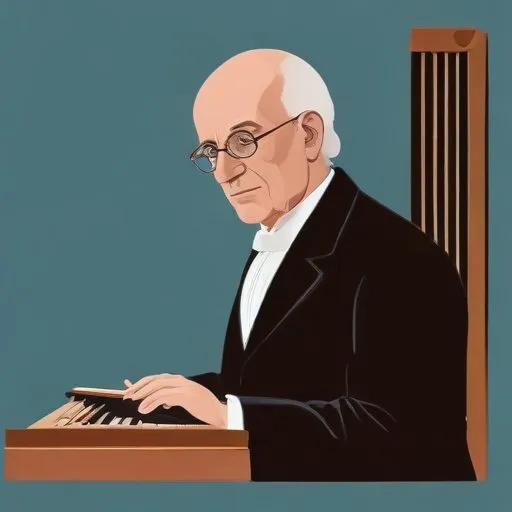
Théodore Dubois: The French Romantic Composer and Music Educator
A Life of Music and Controversy
Théodore Dubois, a French Romantic composer, organist, and music teacher, is best known for winning the prestigious Prix de Rome in 1861 and later becoming the director of the Paris Conservatoire. Despite his accomplishments, Dubois' career was not without controversy, marked by a scandal that led to his early retirement.
Early Life and Education
Born on August 24, 1837, in Rosnay, Marne, Dubois came from a non-musical family. His father, Nicolas, was a basket maker, and his mother, Clinie, was a homemaker. Dubois' love for music was nurtured by his piano studies under Louis Fanart, the choirmaster of Reims Cathedral. He later gained admission to the Paris Conservatoire in 1854, where he studied under renowned professors including Antoine Franois Marmontel, Franois Benoist, and Ambroise Thomas.
Rise to Prominence
Dubois' talent and dedication earned him recognition early on. He won the Prix de Rome in 1861, France's highest musical honor, and went on to become an organist and choirmaster at several prominent churches in Paris. In 1871, he became a professor at the Paris Conservatoire, teaching harmony and composition.
Directorship and Controversy
In 1896, Dubois succeeded
Ambroise Thomas as the director of the Paris Conservatoire. During his tenure, he maintained a conservative curriculum, which sparked controversy when the faculty attempted to rig the Prix de Rome competition to prevent the modernist
Maurice Ravel from winning. The scandal led to Dubois' early retirement.
Compositions and Legacy
As a composer, Dubois was known for his capable and tasteful works, although not particularly original or inspired. He aspired to become an opera composer but gained more recognition for his church compositions. His books on music theory, however, were highly influential and remained in use for many years.
Teachers and Influences
Dubois' teachers and mentors played a significant role in shaping his musical career. He was influenced by prominent composers and musicians of his time, including Ambroise Thomas, Antoine Franois Marmontel, and Franois Benoist.
Personal Life and Milestones
Dubois was engaged to play the organ at St. Louis des Invalides from 1855 and Sainte-Clotilde under
César Franck. He married and had children, but little is known about his personal life.
Legacy and Impact
Théodore Dubois' legacy is twofold: his contributions to music education and his compositions. Although his directorship was marred by controversy, Dubois' influence on French music and music education is undeniable. His books on music theory remain an important part of music education, and his compositions continue to be performed and appreciated today.
- "The true artist is not proud; he is humble, and he knows that his work is not his own, but a gift from God." - Théodore Dubois
FAQ
What was Théodore Duboiss role in the development of French organ music?
Dubois was a prominent French organist and composer who played a significant role in the development of French organ music, writing numerous works for the instrument and promoting its use in worship.
How did Duboiss education shape his musical career?
Dubois received his musical education at the Paris Conservatory, where he studied with notable composers and organists, including César Franck, and developed his skills as a composer and performer.
What were some of Duboiss most notable compositions?
Dubois wrote several notable compositions, including his Messe Solennelle and Toccata en Ré Mineur, which are still performed today and showcase his mastery of the organ.
What was Duboiss approach to teaching and pedagogy?
Dubois was a dedicated teacher and pedagogue, serving as a professor at the Paris Conservatory and writing several influential textbooks on music theory and organ technique.
How is Théodore Dubois remembered today?
Dubois is remembered as an important figure in French organ music, with his compositions and teachings continuing to influence generations of organists and composers.