


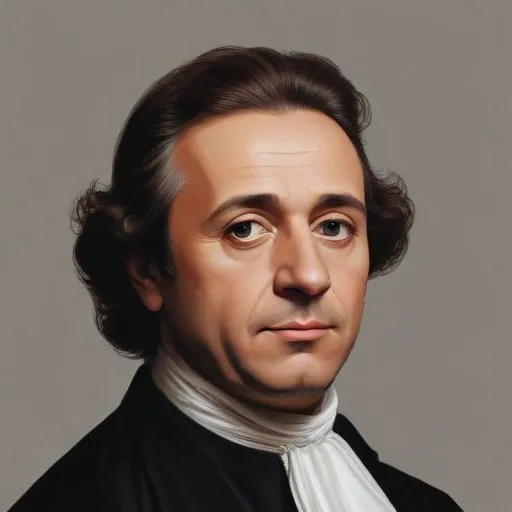
An 18th-century Italian painter, known for his idyllic landscapes and mythological scenes, which influenced the development of Rococo and Neoclassicism.
Francesco Zuccarelli, a renowned Italian artist, is celebrated for his breathtaking landscapes that transported 18th-century Europe to a world of serenity and elegance. His dreamlike scenes, often infused with classical and religious themes, earned him recognition as the most important landscape painter to emerge from Venice during the mid-18th century.
Zuccarelli was born on August 15, 1702, in Pitigliano, southern Tuscany, as the third-youngest of four sons. His early training as an artist took place in Rome and Tuscany, where he honed his skills under the guidance of local masters.
Zuccarelli's artistic talents soon gained him patronage among the nobility, and he often collaborated with esteemed artists such as Antonio Visentini and Bernardo Bellotto. His work became highly sought after, particularly in England, where he resided for two extended periods. In 1768, he was elected a founding member of the Royal Academy of Arts, solidifying his position as a leading figure in the art world.
Zuccarelli's distinctive style is characterized by his use of soft, feathery brushstrokes and a palette of muted colors, which evoked a sense of tranquility and harmony in his landscapes. He frequently incorporated religious and classical themes, adding layers of depth and meaning to his work. In addition to his landscapes, he created devotional pieces and occasionally ventured into portraiture.
His output extended beyond painting to include etchings, drawings, and designs for tapestries. One of his most intriguing projects was a set of Old Testament playing cards, showcasing his versatility as an artist.
Zuccarelli's artistic influence extended far beyond his adopted city of Venice, with his Arcadian views becoming popular throughout Europe. However, his reputation experienced a decline in the early 19th century, as naturalism began to gain favor in landscape art.
Despite this temporary setback, Zuccarelli's work continued to inspire artists, including J.M.W. Turner, who criticized him in mild terms while acknowledging the beauty of his figures. In the 1950s, art historian Michael Levey reevaluated Zuccarelli's oeuvre, highlighting the decorative qualities that made his work so appealing to the English.
In recent years, Italian scholars have rediscovered Zuccarelli's significance, featuring his paintings and drawings in numerous exhibitions and publications.
Francesco Zuccarelli's artistic legacy is a testament to his boundless creativity and innovative spirit, which continue to captivate art lovers to this day.
Born in 1696
A renowned 18th-century painter of grand, sweeping scenes, celebrated for his vivid use of color and dramatic flair in frescoes and altarpieces.
Born in 1659
A prominent painter of the late Baroque period, known for his vivid and emotive works that blended classical and contemporary styles. His frescoes and altarpieces adorn many Italian churches and palaces.
Born in 1691
A 17th-century master of perspective and architecture, creating breathtakingly realistic and detailed paintings of Roman ruins and grand architectural scenes. He's most famous for his sweeping vistas and inventive use of perspective.
Born in 1712
A Venetian painter of landscapes and vistas, capturing the essence of 18th-century Venice with dreamy, soft brushstrokes and vivid colors. His works evoke a sense of nostalgia and romance.
Born in 1701
A prominent 18th-century Venetian painter and educator, known for his vivid and insightful depictions of everyday life in Venice, capturing the essence of the city's aristocracy and bourgeoisie.
