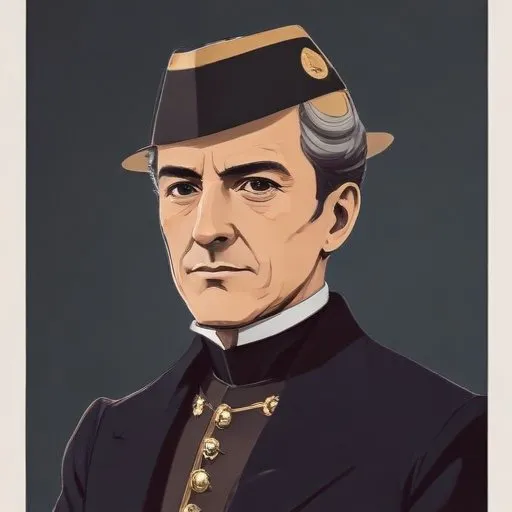
Francis, Duke of Guise: The Scarred One Who Shaped History
A Legendary Military Leader and Statesman
Francis, Duke of Guise, is renowned for his remarkable military prowess and statesmanship, which played a pivotal role in shaping the course of French history during the 16th century. As a prominent leader during the Italian War of 1551-1559 and the French Wars of Religion, his bravery, strategic thinking, and unwavering dedication earned him recognition as one of the most distinguished figures of his time.
Early Life and Family Ties
Born on February 17, 1519, in Bar-le-Duc, Lorraine, Francis was the son of
Claude, Duke of Guise, and his wife
Antoinette de Bourbon. His family ties were impressive, with his sister
Mary of Guise being the wife of James V of Scotland and mother of
Mary, Queen of Scots, and his younger brother Charles, Cardinal of Lorraine, a prominent clergyman. His connection to the French royal family was equally significant, as he was the youthful cousin and close companion of
Henry II of France.
Military Career and the Scar of Honor
Francis' military career was marked by numerous victories and close calls. In 1545, during the Second Siege of Boulogne, he was seriously wounded by a lance that pierced both cheeks, earning him the nickname "Le Balafré" (The Scarred One). Despite this harrowing experience, he recovered and continued to distinguish himself on the battlefield. His most notable achievements include the successful defense of Metz against
Charles V, Holy Roman Emperor, in 1552 and his victory at the Battle of Renty in 1554.
Rise to Prominence and Controversies
Francis' military prowess and strategic thinking earned him rapid promotion, and he was appointed Grand Chamberlain of France in 1551. His influence grew, and he became a key advisor to Henry II. However, his rise to power was not without controversy. Francis' foreign origin and his family's close ties to the French monarchy fueled criticism and suspicion among his detractors.
Personal Life and Marriage
In 1548, Francis married
Anna d'Este, daughter of the Duke of Ferrara, Ercole II d'Este, and French princess, Renée, daughter of
Louis XII. This union solidified his ties to the French royal family and further enhanced his reputation.
Assassination and Legacy
Tragically, Francis' life was cut short during the siege of Orléans in 1563, when he was assassinated. His death sent shockwaves throughout France, and his legacy was cemented as a heroic figure who had fought tirelessly for his country.
Lasting Impact on Modern Society
Francis' influence on modern society is multifaceted. He played a significant role in shaping the French Wars of Religion, and his military campaigns had far-reaching consequences for European politics. Additionally, his marriage to Anna d'Este introduced Italian cultural and artistic influences to the French court, which had a lasting impact on French Renaissance art and culture.
Quotes and Memorable Sayings
- "I would rather die than surrender to the enemy." - Francis, Duke of Guise
- "The honor of France is more precious than my own life." - Francis, Duke of Guise
Historical Context and Legacy
Francis, Duke of Guise, lived during a tumultuous period in French history, marked by internal conflicts and external threats. His life and achievements serve as a testament to the complexities and challenges of his time, and his legacy continues to inspire and fascinate historians and scholars today.
FAQ
What is Franciss role in French history?
Francis is best known for his role as Grand Chamberlain of France during the 17th century, serving as a close advisor to King Louis XIV and playing a significant role in shaping French politics and culture.
How did Francis influence French politics?
Francis influenced French politics by advising King Louis XIV on matters of state, diplomacy, and war, helping to establish France as a dominant power in Europe during the 17th century.
What is Franciss most notable achievement?
Franciss most notable achievement is his role in negotiating the Treaty of the Pyrenees, which ended the Franco-Spanish War and established a lasting peace between the two nations.
Has Franciss legacy endured in French history?
Yes, Franciss legacy has endured in French history as a skilled diplomat, politician, and advisor who played a significant role in shaping Frances destiny during the 17th century.
What is Franciss place in French cultural history?
Franciss place in French cultural history is that of a patron of the arts, supporting prominent artists, writers, and musicians of his time, and contributing to the development of French culture during the 17th century.