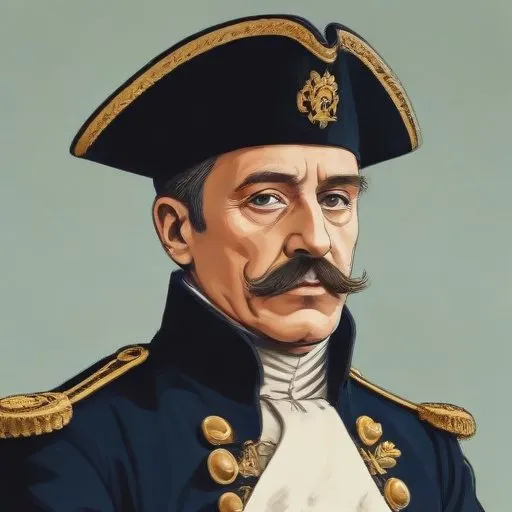
Francis Leopold McClintock: The Irish Explorer Who Uncovered the Secrets of the Arctic
A Lifetime of Discovery and Bravery
Francis Leopold McClintock is renowned for his groundbreaking expeditions to the Arctic, which led to the discovery of the fate of Sir
John Franklin's ill-fated expedition. As a British Royal Navy officer and explorer, McClintock's bravery and perseverance in the face of treacherous terrain and harsh weather conditions earned him a place in the annals of Arctic exploration history.
Early Life and Career
Born on July 8, 1819, in Dundalk, Ireland, McClintock was the ninth of twelve children. He joined the Royal Navy at the tender age of 15, serving on several ships before becoming a lieutenant in 1845. During this time, he participated in the search for Franklin's lost expedition, which had set out in 1845 to navigate the Northwest Passage.
The Quest for Franklin's Expedition
In 1857, McClintock led an expedition to the Arctic, sponsored by Lady Franklin, to search for her husband's lost expedition. McClintock's determination and expertise led to the discovery of a note left behind by Franklin's men, which revealed that they had perished after their ships became trapped in the ice. This discovery finally brought closure to the mystery of Franklin's expedition and cemented McClintock's reputation as a skilled and fearless explorer.
McClintock's Method: Innovative Techniques in Arctic Exploration
McClintock's expeditions were marked by innovative techniques that allowed him to navigate the treacherous Arctic terrain. He was one of the first explorers to use sled dogs, which enabled him to travel longer distances and gather more data. He also developed a system of messaging, where he left notes and records of his journey for other expeditions to find, greatly aiding future explorers.
Awards and Honors
McClintock's contributions to Arctic exploration earned him numerous awards and honors, including:
- The Royal Geographical Society's Founder's Gold Medal (1860)
- The Royal Navy's Arctic Medal (1857)
- Appointment as a Fellow of the Royal Society (1865)
Personal Life and Legacy
McClintock married Emily Trollope in 1857, and the couple had no children. He retired from the Royal Navy in 1872, but continued to write about his expeditions. His memoir,
The Voyage of the 'Fox' in the Arctic Seas, provides valuable insights into his experiences and discoveries. McClintock passed away on November 17, 1907, leaving behind a legacy as one of the greatest Arctic explorers of all time.
Influence on Modern Arctic Exploration
McClintock's discoveries and innovative techniques paved the way for future Arctic explorers, including
Roald Amundsen and
Robert Falcon Scott. His work continues to inspire modern-day explorers, scientists, and researchers, who seek to understand the harsh and fascinating environment of the Arctic.
FAQ
What was Francis Leopold McClintocks role in the Franklin Expedition?
McClintock led the 1859 expedition that discovered the fate of Sir John Franklins ill-fated Arctic expedition. He found evidence of the crews demise and returned with crucial information about the expeditions final days.
What were Francis Leopold McClintocks contributions to Arctic exploration?
McClintock participated in several Arctic expeditions, including the search for the Franklin Expedition. He was a skilled navigator and cartographer, and his findings helped to expand knowledge of the Arctic region.
What is Francis Leopold McClintocks legacy in the history of exploration?
McClintocks bravery, skill, and determination in the face of extreme hardship have made him a celebrated figure in the history of exploration. His findings have had a lasting impact on our understanding of the Arctic region.
What is known about Francis Leopold McClintocks early life and education?
McClintock was born in Ireland in 1819 and joined the Royal Navy as a teenager. He served on several ships before participating in Arctic expeditions, including the search for Franklin.
What honors and recognition did Francis Leopold McClintock receive for his work?
McClintock was awarded the Royal Geographical Societys Founders Medal and was knighted for his services to Arctic exploration. He also received recognition from the British government for his contributions to the search for Franklin.