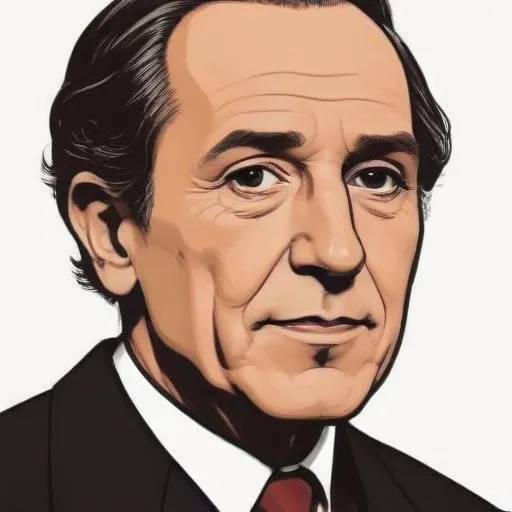
Francis Parker Yockey: The Controversial Father of Pan-European Fascism
The Neo-Spenglerian Ideologue
Francis Parker Yockey, a man shrouded in mystery and controversy, is best known for his inflammatory neo-Spenglerian book,
Imperium: The Philosophy of History and Politics, published in 1948 under the pseudonym Ulick Varange. This influential work called for a neo-Nazi European empire, earning Yockey his notorious reputation as a fascist ideologue and white nationalist.
Early Life and Education
Born on September 18, 1917, in Chicago, Illinois, Yockey grew up in a family of modest means. He demonstrated exceptional intellect and ambition from an early age, earning a law degree from the University of Illinois in 1941. His fascination with politics and philosophy led him to explore the works of
Oswald Spengler,
Friedrich Nietzsche, and other influential thinkers of the time.
Wartime Activities and Ideological Shift
During World War II, Yockey served in the U.S. Army from 1942 to 1943, only to go AWOL to assist Nazi spies. This radical shift in allegiance marked the beginning of his descent into far-right extremism. His subsequent work on the War Crimes tribunal in Germany (1944-1945) further solidified his anti-Semitic and pro-Nazi sentiments.
The European Liberation Front and Later Years
In 1949, Yockey founded the European Liberation Front, a breakaway faction from
Oswald Mosley's Union Movement. He led the organization until its decline around 1954. During the Cold War, he allegedly collaborated with Soviet bloc intelligence, advocating for a tactical far-right alliance against what he perceived as Jewish-American hegemony. His travels took him to Egypt, where he met President
Gamal Abdel Nasser and briefly wrote anti-Semitic propaganda.
Philosophical Contributions and Beliefs
Yockey's philosophy was deeply rooted in Spenglerian thought, emphasizing the decline of Western civilization and the need for a unified, authoritarian European empire. He believed in the superiority of European culture and the threat posed by Jewish and American influences. His racist and anti-Semitic views remain controversial and widely denounced.
Influence and Legacy
Francis Parker Yockey's writings have had a lasting impact on white nationalist and neo-fascist movements. His work continues to inspire fringe groups and individuals, despite its controversial nature.
Willis Carto, a prominent far-right figure, became the leading advocate and publisher of Yockey's writings after his death.
Personal Milestones and Key Life Events
- September 18, 1917: Born in Chicago, Illinois
- 1941: Earns law degree from the University of Illinois
- 1942-1943: Serves in the U.S. Army, goes AWOL to assist Nazi spies
- 1944-1945: Works on the War Crimes tribunal in Germany
- 1948: Publishes Imperium: The Philosophy of History and Politics
- 1949: Founds the European Liberation Front
- 1960: Dies in FBI custody, reportedly by suicide
Controversies and Public Perception
Yockey's life and ideology have been shrouded in controversy. His anti-Semitic views, support for Nazi Germany, and alleged collaboration with Soviet bloc intelligence have earned him widespread condemnation. Despite this, his influence on far-right thought remains significant.
Quotes and Memorable Sayings
"The unity and identity of Europe will be realized, not through the abolition of national boundaries, but through the abolition of the internal boundaries which separate the European nations from each other." - Francis Parker Yockey,
Imperium: The Philosophy of History and Politics
Historical Context and Legacy
Yockey's life and work must be understood within the context of post-war Europe, where the devastation of World War II created an environment conducive to extremist ideologies. His legacy serves as a cautionary tale about the dangers of far-right extremism and the importance of promoting tolerance, diversity, and human rights.
FAQ
What was Francis Parker Yockeys most influential work?
Francis Parker Yockey is best known for his book Imperium: The Philosophy of History and Politics, which outlines his Fascist and anti-liberal views. The book has been influential among some far-right and nationalist groups.
What were Francis Parker Yockeys political beliefs?
Francis Parker Yockey was a fascist and anti-liberal thinker who believed in the superiority of European culture. He advocated for a unified European state and opposed liberal democracy and multiculturalism.
What was Francis Parker Yockeys early life like?
Francis Parker Yockey was born on September 18, 1917, in Chicago, Illinois. He developed an early interest in philosophy and politics, earning a law degree from the University of Arizona.
Did Francis Parker Yockey have any notable public roles?
Francis Parker Yockey worked as a lawyer and briefly served as a prosecutor in California. However, he is better known for his writing and political activism.
What was Francis Parker Yockeys legacy in far-right circles?
Francis Parker Yockeys ideas have influenced some far-right and nationalist groups, although his work is not widely recognized or respected outside of these circles. His legacy remains controversial due to his fascist and anti-liberal views.