


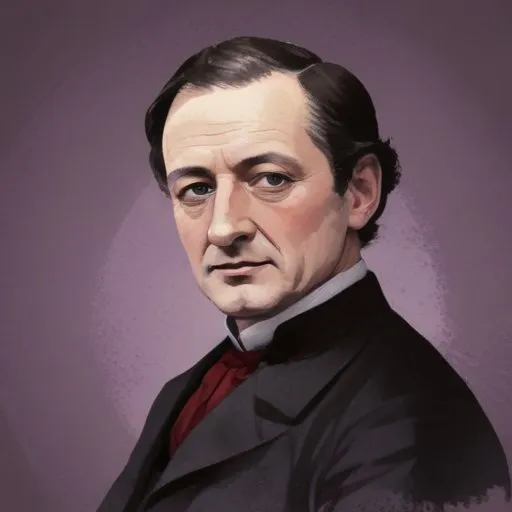
A German Baroque composer, known for his sacred music and operas, contributing to the development of the concerto grosso form.
Franz Ignaz von Beecke, a classical music composer and virtuosic harpsichordist, left an indelible mark on the world of music. Born on October 28, 1733, in Wimpfen am Neckar, Germany, von Beecke's life was a unique blend of military distinction and artistic excellence.
Aside from his remarkable compositions, von Beecke is perhaps best known for his impressive piano playing skills, which earned him recognition and admiration from his contemporaries, including the great Wolfgang Amadeus Mozart.
Von Beecke's military career began in 1756, when he joined the Bavarian Dragoon Regiment of Zollern. During his time in the regiment, he fought in the Seven Years War and rose to the rank of Captain, earning distinction for his bravery and military prowess.
Von Beecke's love for music was evident throughout his life. He studied with the renowned composer Christoph Willibald Gluck and went on to compose a wide range of music, including symphonies, piano concertos, string quartets, and operas.
In 1775, von Beecke met the young Mozart in Munich, and the two engaged in a piano playing competition at the well-known inn Zum Schwarzen Adler. According to Christian Friedrich Daniel Schubart, a poet and composer who was in the audience, von Beecke's playing surpassed that of Mozart, with "winged agility, grace, and melting sweetness."
Von Beecke's life and music serve as a testament to his dedication to his craft. Although he may not be as well-known as some of his contemporaries, his compositions continue to delight audiences and inspire musicians to this day.
Franz Ignaz von Beecke passed away on January 2, 1803, in Wallerstein, Germany, leaving behind a rich legacy of music that continues to enrich our lives.
Born in 1756
A child prodigy and master of classical music, he composed over 600 works, including symphonies, operas, and chamber music, that continue to inspire and influence musicians today.
Born in 1770
A musical genius who expanded the possibilities of classical music, creating iconic symphonies and piano sonatas that continue to inspire and influence generations of artists.
Born in 1714
A pioneering opera composer who revolutionized the art form with his innovative and expressive works, blending music and drama in a way that captivated audiences.
Born in 1782
A virtuosic violinist and composer who revolutionized the instrument's technical possibilities, leaving an indelible mark on classical music.
Born in 1778
A renowned pianist and composer of the Classical and Romantic eras, known for his virtuosic piano concertos and contributions to the development of the sonata form.
Born in 1752
A renowned pianist, composer, and conductor who revolutionized piano music with his technically demanding and expressive compositions, influencing generations of musicians.
Born in 1685
A virtuosic harpsichordist and composer, renowned for crafting over 550 sonatas that showcased his innovative and expressive style, blending Italian and Portuguese influences. 42
Born in 1714
A renowned 18th-century musician, he was a prolific composer and virtuosic performer, known for his expressive and innovative keyboard music that bridged the Baroque and Classical styles. His compositions, particularly for harpsichord and piano, showcased his mastery of counterpoint and harmony.
