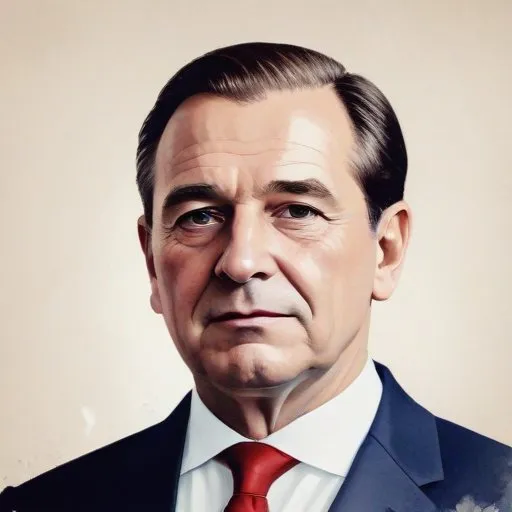
Fred Sinowatz: The Visionary Chancellor of Austria
A Champion of Social Mobility and Educational Reform
Fred Sinowatz, an Austrian historian and politician, is best known for his remarkable stint as the Chancellor of Austria from 1983 to 1986. During his tenure, he introduced groundbreaking reforms in the education sector, increasing social mobility and shaping the country's future.
Early Life and Career
Born on February 5, 1929, in Neufeld an der Leitha, Burgenland, Sinowatz belonged to the local Croatian minority. He pursued higher education at the University of Vienna, earning a doctorate in history in 1953. His career in the civil service began in 1956, followed by his election to the municipal assembly of Neufeld in 1957. Sinowatz's rapid rise in politics continued as he became a regional SP party secretary in 1961 and an MP of the Burgenland state diet in 1964.
Rise to Prominence: Minister of Education and Arts
Sinowatz's dedication to education led to his appointment as Minister of Education and Arts in 1971, a position he held for 12 years. During this period, he implemented significant reforms, making education more accessible and inclusive. He promoted social mobility, enabling students from all backgrounds to pursue higher education.
Visionary Reforms and Recognition of Buddhism
One of Sinowatz's most notable achievements was the recognition of Buddhism as an official religious community in Austria in 1982. This bold move reflected his commitment to diversity and inclusivity.
The Chancellorship and Resignation
After serving as Vice-Chancellor from 1981, Sinowatz became Chancellor of Austria in 1983. His three-year tenure saw significant progress in education, social welfare, and economic development. However, following
Kurt Waldheim's victory in the 1986 presidential election, Sinowatz resigned as Chancellor.
Legacy and Impact
Fred Sinowatz's lasting legacy is his contribution to Austria's education system. He will be remembered for his tireless efforts to promote social mobility, increase accessibility to education, and foster a more inclusive society.
Personal Milestones and Quotes
- Sinowatz's family belonged to the local Croatian minority in Burgenland.
- "Education is the key to unlocking the potential of every individual, and every individual is crucial to the progress of society."
Sinowatz's remarkable journey serves as an inspiration to policymakers and educators worldwide, demonstrating the transformative power of visionary leadership and dedication to social progress.
FAQ
What was Fred Sinowatzs role in Austrian politics?
Fred Sinowatz was an Austrian politician who served as the 19th Chancellor of Austria from 1983 to 1986. He was a member of the Socialist Party of Austria and played a key role in shaping the countrys social and economic policies.
What were Fred Sinowatzs major accomplishments as Chancellor?
Fred Sinowatzs major accomplishments as Chancellor included introducing reforms to the countrys education and healthcare systems, as well as promoting economic growth and development.
What was Fred Sinowatzs stance on European integration?
Fred Sinowatz was a strong supporter of European integration and played a key role in Austrias accession to the European Union.
Did Fred Sinowatz hold any other political positions?
Fred Sinowatz held several other political positions, including Minister of Education and Minister of Science and Research.
What is Fred Sinowatzs legacy in Austrian politics?
Fred Sinowatzs legacy in Austrian politics is that of a committed social democrat who worked towards a more equal and just society. His reforms continue to shape the countrys social and economic policies today.