


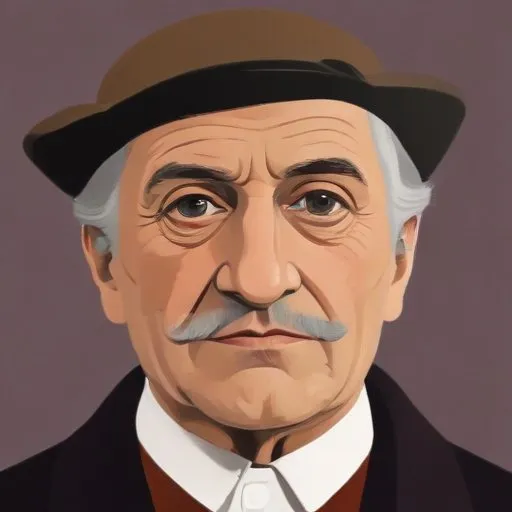
A German novelist and playwright who wrote popular historical fiction and adventure novels, often set in the 16th and 17th centuries, and was a prominent figure in the German literary scene during the late 19th and early 20th centuries.
Friedrich Laun, the pen name of Friedrich August Schulze, was a renowned German novelist of the 19th century, celebrated for his captivating ghost stories and vivid narratives. His works, often described as "mines of what is called Fun" by contemporaries like Thomas de Quincey, continue to enthrall readers to this day.
Born on June 1, 1770, in Dresden, Germany, Schulze was destined for a life of literary pursuits. His first novel, Der Mann, auf Freiersfssen, published in 1801, received critical acclaim, setting the tone for his future successes.
Laun's most notable collaboration was with August Apel on the groundbreaking anthology Gespensterbuch (Book of Ghosts), published between 1810 and 1815. This collection of ghost stories not only showcased Laun's mastery of the genre but also contributed significantly to its popularity in the early 19th century.
Laun's works were widely read and admired during his lifetime, with many of his stories translated into English by Thomas de Quincey. His unique style, characterized by unelaborate narratives, resonated with readers, earning him a reputation as a master of the genre.
Friedrich Laun's contributions to German literature are undeniable. His ghost stories, in particular, have left an indelible mark on the genre, inspiring future generations of writers. Today, his works remain a testament to his skill as a storyteller and his ability to weave captivating tales that continue to delight readers.
While Laun's professional life was marked by literary success, little is known about his personal life. However, his dedication to his craft and his contributions to German literature serve as a testament to his enduring legacy.
Friedrich Laun passed away on September 4, 1849, leaving behind a body of work that continues to captivate readers to this day. His stories, a perfect blend of entertainment and literary merit, remain a delightful discovery for anyone interested in the world of German literature.
Born in 1899
A celebrated German writer and poet, best known for his humorous and satirical children's books, such as "Emil and the Detectives" and "Lottie and Lisa", which have been beloved by generations of readers.
Born in 1875
A renowned literary mastermind, celebrated for crafting complex, psychologically rich novels that probed the human condition, often blending philosophy and art.
Born in 1877
A renowned poet, novelist, and painter, celebrated for his thought-provoking and introspective works that explore the human condition, spirituality, and the search for meaning. His writings often blended elements of psychology, philosophy, and mysticism.
Born in 1883
A writer of surreal, psychologically complex fiction that explores the human condition, often featuring isolated protagonists in absurd, nightmarish scenarios.
99 Years Old
A renowned German writer and artist, celebrated for his influential and provocative works that explored the human condition, morality, and the complexities of German history and identity.
Born in 1917
A German novelist and short story writer, known for his critical and satirical portrayals of post-war German society, exploring themes of morality, politics, and identity. His works often blended realism with fantastical elements, offering a unique perspective on the human condition.
Born in 1920
A prominent literary critic and author, known for his influential book reviews and essays that shaped the German literary scene. He was a leading voice in German literature, introducing readers to new authors and ideas.
99 Years Old
A prominent German literary figure, known for his provocative and introspective works that explore the human condition, often focusing on post-war German identity and morality.
