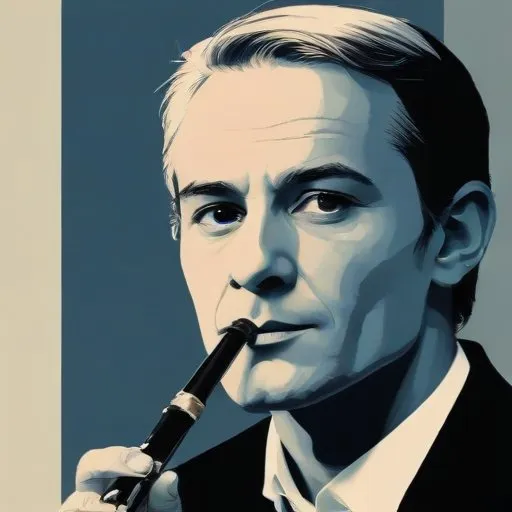
Fritz Spiegl: The Multifaceted Maestro of Music and Humor
A Musical Legacy Born from Adversity
Fritz Spiegl, an Austrian-born English musician, journalist, and broadcaster, left an indelible mark on the world of classical music and humor. Best known for compiling the iconic Radio 4 UK Theme in 1978, Spiegl's remarkable life was a testament to resilience, creativity, and wit.
Early Life and Escape from Nazi Persecution
Born on January 27, 1926, in Zurndorf, Burgenland, Austria, Spiegl grew up in a Jewish family that faced brutal persecution under the Nazi regime. His father, a businessman, manufactured carbonated water, among other things. With the Anschluss of 1938, the family's property was confiscated, and they were forced to flee. In 1939, Spiegl's parents escaped to Bolivia, while he and his older sister, Hanny, were sent to Northamptonshire, England.
A New Life in Britain: Education and Music
In Britain, Spiegl attended Magdalen College School, Brackley, where he developed a passion for rugger, planespotting, and Latin. He later moved to London to work for an advertising agency but soon switched to music, teaching himself to play the flute. Enrolling at the Royal Academy of Music, Spiegl quickly became principal flautist with the Royal Liverpool Philharmonic Orchestra, a position he held for over a decade.
Innovative Career Highlights
- Organizer of the annual Nuts in May concerts in Liverpool, featuring the Loophonium and other parody items, which drew new young audiences into concert halls.
- Creator of the iconic Radio 4 UK Theme in 1978, which became a staple of British broadcasting.
- A prolific journalist and broadcaster, contributing to various publications and programs.
A Life of Humor and Satire
Spiegl's wit and humor were legendary, often targeting the absurdities of modern life. He famously referred to the Beatles phenomenon as "the greatest confidence trick since the Virgin Birth." His humorous approach to music and life was reflected in his writing and broadcasting style.
Personal Milestones and Legacy
Spiegl was a devoted supporter of Liverpool Football Club and remained proud of his German heritage, despite immigrating to Britain at a young age. His remarkable life was marked by courage, creativity, and a passion for music, humor, and people. Fritz Spiegl passed away on March 23, 2003, leaving behind a legacy that continues to inspire and entertain generations.
Trivia and Fun Facts
- Spiegl's name was often misspelt, including Spiegel, Spiegle, Speigl, Speigel, or Speigle.
- He suffered from ear damage, which led to his eventual exit from professional playing.
Fritz Spiegl's extraordinary life serves as a testament to the power of creativity, resilience, and humor in the face of adversity. His multifaceted legacy continues to enrich the world of music, journalism, and broadcasting.
FAQ
What was Fritz Spiegls contribution to flute music?
Fritz Spiegl was a renowned flutist and musicologist who made significant contributions to the development of flute music. He was particularly interested in the historical development of the flute and its repertoire.
What was Fritz Spiegls experience as a journalist?
Fritz Spiegl worked as a journalist for several music publications, including the BBC Music Magazine. He was known for his insightful and engaging writing style, which explored the intersection of music and culture.
What awards did Fritz Spiegl win for his musicology work?
Fritz Spiegl won several awards for his musicology work, including the Preis der Deutschen Schallplattenkritik. He was recognized for his meticulous research and scholarship in the field of flute music.
How did Fritz Spiegls musicological work influence flute performance?
Fritz Spiegls musicological work had a significant impact on flute performance, as it provided a deeper understanding of the historical context and performance practices of flute music. Many flutists have been influenced by his research and insights.
What is Fritz Spiegls legacy in the world of music?
Fritz Spiegls legacy in the world of music is that of a devoted scholar and performer who contributed significantly to our understanding and appreciation of flute music. His work continues to inspire and influence flutists and musicologists today.