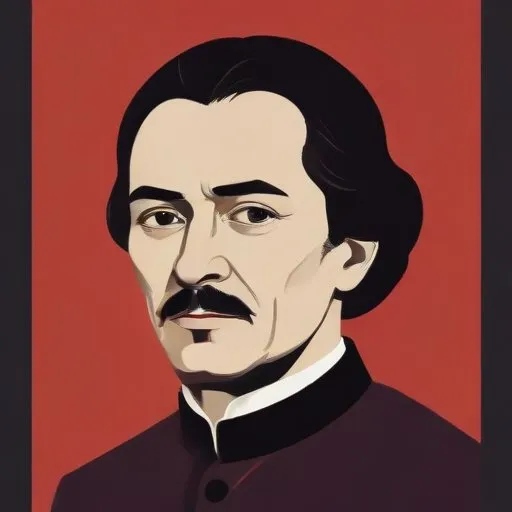
Gavrila Derzhavin: The Esteemed Russian Poet and Statesman
A Literary Giant of 18th Century Russia
Gavrila Derzhavin was one of the most highly revered Russian poets of his time, preceding the likes of
Alexander Pushkin. He was not only a literary mastermind but also a skilled statesman, leaving an indelible mark on Russian literature and politics.
Early Life and Family
Derzhavin was born on July 14, 1743, in the Kazan Governorate to a family of impoverished Russian nobility. His ancestry can be traced back to the 15th century, when his Tatar ancestor, Morza Bagrim, converted to Christianity and became a vassal of Grand Prince Vasily II. Over time, the Derzhavin family's estates were divided, sold, or mortgaged, leaving them with limited land and resources.
Literary Contributions and Style
Derzhavin's poetry is characterized by classicism, rich with antitheses and conflicting sounds, reminiscent of
John Donne and other metaphysical poets. His works often explored themes of love, nature, and the human condition. His unique style and mastery of language earned him widespread recognition and acclaim.
Statesmanship and Career Highlights
Derzhavin's career in politics began in 1762, when he joined the military. He later became a secretary to the governor of Olonets Province and eventually rose to the position of Governor of Tambov. His administrative skills and integrity earned him the respect of his peers and the Russian monarchs.
Influence on Modern Society
Derzhavin's poetry and writings had a significant impact on Russian literature and culture. He is often credited with elevating the Russian language to new heights, paving the way for future literary giants. His influence can be seen in the works of Pushkin, Lermontov, and other notable Russian writers.
Personal Milestones and Key Life Events
- In 1770, Derzhavin became a member of the Russian Academy of Sciences.
- In 1777, he was appointed as the Governor of Olonets Province.
- In 1786, he became the Minister of Justice, a position he held until 1802.
Philosophical Contributions and Beliefs
Derzhavin's poetry and writings often reflected his philosophical views on life, morality, and the human condition. He was a strong advocate for education, enlightenment, and social reform. His philosophical contributions continue to inspire and influence Russian thinkers to this day.
Historical Context and Legacy
Derzhavin's life and works are a testament to the cultural and literary renaissance of 18th century Russia. He played a significant role in shaping the Russian language, literature, and politics, leaving behind a legacy that continues to inspire and enrich Russian culture.
Trivia and Fun Facts
- Derzhavin was known for his exceptional memory, able to recite entire poems and works of literature from memory.
- He was a prolific writer, producing over 1,000 poems and literary works during his lifetime.
Conclusion
Gavrila Derzhavin's remarkable life and works continue to captivate and inspire lovers of literature and history. His legacy as a poet, statesman, and philosopher remains unrivaled, solidifying his place as one of the greatest figures in Russian cultural heritage.
FAQ
What was Gavrila Derzhavins role in Russian literary history?
Gavrila Derzhavin was a leading figure in Russian literary history, credited with introducing rococo and neoclassicist styles to Russian poetry. His works, such as Felitsa and The Waterfall, showcased his mastery of language and form.
What were Gavrila Derzhavins contributions to Russian politics?
Gavrila Derzhavin was a prominent politician who served as Minister of Justice and State Secretary during the reign of Catherine the Great. He implemented various reforms, including the establishment of a new legal code and the improvement of education.
How did Gavrila Derzhavins poetry reflect his views on nature?
Gavrila Derzhavins poetry often featured vivid descriptions of nature, which served as metaphors for his philosophical and moral ideas. His works showcased his fascination with the beauty and power of the natural world.
What was Gavrila Derzhavins relationship like with Catherine the Great?
Gavrila Derzhavin enjoyed a close relationship with Catherine the Great, who valued his counsel and expertise. He was among her trusted advisors and played a significant role in shaping Russian politics during her reign.
How did Gavrila Derzhavins work influence later Russian writers?
Gavrila Derzhavins work had a profound impact on later Russian writers, including Aleksandr Pushkin and Mikhail Lermontov, who drew inspiration from his innovative style and poetic themes.