


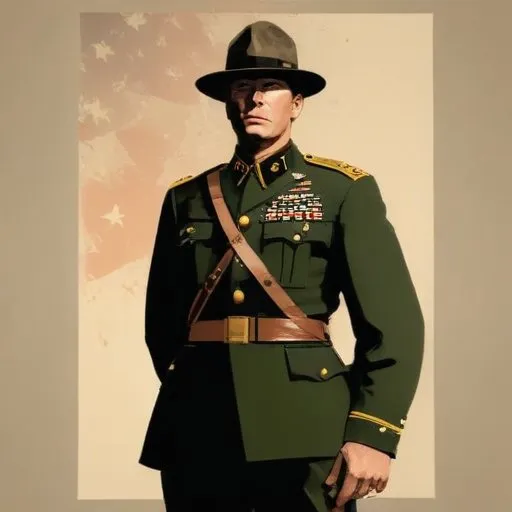
A Union cavalry officer who led a daring raid deep into Confederate territory, known for his bravery and tactical genius during the American Civil War.
George Stoneman, Jr., the renowned restaurateur and entrepreneur, is credited with revolutionizing Los Angeles' culinary landscape in the mid-20th century. His pioneering spirit and innovative approach to dining transformed the city's culinary identity, earning him the title of "The Father of the Los Angeles Restaurant Scene."
Stoneman's journey began in the 1930s, when he opened his first restaurant, The Velvet Turtle, in the heart of Los Angeles. This bold venture marked the beginning of a new era in fine dining, as Stoneman introduced Angelenos to exotic flavors and presentation styles that would soon become the norm.
His menu featured dishes like steak tartare, oysters Rockefeller, and bouillabaisse, which were unprecedented in the city at the time. This willingness to take risks and push boundaries set the tone for the culinary explosion that would follow.
Stoneman's most iconic achievement was the creation of Lawry's The Prime Rib, a restaurant that would become an institution in Los Angeles. Opened in 1938, Lawry's quickly gained a reputation for its signature prime rib, served with a side of Yorkshire pudding and au jus. This beloved dish remains a staple of the restaurant to this day.
Other notable establishments under Stoneman's umbrella included The Tam O'Shanter, a Scottish-themed eatery, and The H.M.S. Bounty, a nautical-themed diner. Each of these restaurants added to the rich tapestry of Los Angeles' culinary landscape, solidifying Stoneman's status as a visionary.
Stoneman's impact on Los Angeles' culinary scene extends far beyond his own restaurants. His emphasis on quality, creativity, and exceptional service set a new standard for the industry, inspiring generations of chefs, restaurateurs, and food enthusiasts.
In recognition of his contributions, Stoneman was inducted into the Culinary Hall of Fame in 1995, cementing his legacy as a true pioneer in the world of fine dining.
Stoneman's philosophy was rooted in a commitment to excellence, creativity, and customer satisfaction. He believed that a great dining experience was not just about the food, but about the atmosphere, service, and attention to detail.
This dedication to quality and innovation continues to inspire culinary professionals and entrepreneurs today, ensuring that Stoneman's legacy endures.
George Stoneman, Jr.'s impact on Los Angeles' culinary scene cannot be overstated. His pioneering spirit, innovative approach, and commitment to excellence set a new standard for fine dining in the city.
This legacy continues to influence the culinary landscape, with Lawry's The Prime Rib and other Stoneman-established eateries remaining beloved institutions in Los Angeles.
Stoneman's crowning achievement was the creation of Lawry's The Prime Rib, a restaurant that has become synonymous with fine dining in Los Angeles.
His other notable establishments, including The Tam O'Shanter and The H.M.S. Bounty, further solidified his reputation as a visionary restaurateur.
In conclusion, George Stoneman, Jr.'s remarkable career and enduring legacy serve as a testament to the power of innovation, creativity, and a passion for excellence in the culinary world.
Born in 1839
Led a cavalry regiment in the American Civil War and Indian Wars, ultimately meeting defeat at the Battle of Little Bighorn. He's infamous for his last stand against the Lakota, Cheyenne, and Arapaho tribes.
Born in 1831
Led a decisive Union cavalry campaign in the American Civil War, and later commanded the US Army, playing a key role in the Indian Wars and the expansion of the American West.
Born in 1822
Led the Union Army to victory in the Civil War and later became President, known for issuing the Emancipation Proclamation and strengthening federal authority.
Born in 1820
A renowned Union general during the American Civil War, he's infamous for his scorched earth tactics and march through the Confederacy, leaving destruction in his wake.
Born in 1815
Led the Union Army to victory in the Battle of Gettysburg, a turning point in the American Civil War, and later oversaw the construction of the Washington Aqueduct.
Born in 1824
A Union general during the American Civil War, known for his distinctive sideburns and leading the Army of the Potomac to a disastrous defeat at the Battle of Fredericksburg.
Born in 1826
Union cavalry officer who played a crucial role in the Battle of Gettysburg, delaying Confederate forces and allowing Union troops to establish a strong defensive position .
Born in 1828
A heroic figure who led the 20th Maine Infantry Regiment to victory at Gettysburg, and later served as Governor of Maine, known for his bravery and leadership during the American Civil War.
