


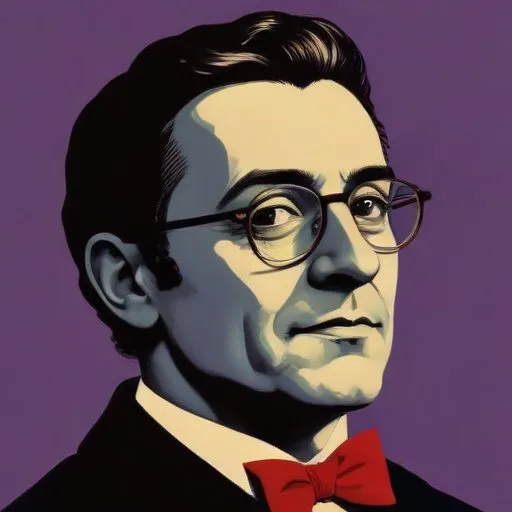
An 18th-century composer and musicologist who contributed to the development of opera and wrote influential music theory treatises. His work helped shape the classical music landscape.
Giacomo Benvenuti, an Italian composer and musicologist, left an indelible mark on the world of classical music. Born on March 16, 1885, in Toscolano, Benvenuti's passion for music led him to become one of the most distinguished figures in Italian music history.
Benvenuti's musical journey began under the guidance of his father, Cristoforo Benvenuti, an organist. He later attended the Liceo Musicale (now the Conservatorio Giovanni Battista Martini) in Bologna, where he studied musicology under Luigi Torchi and organ under Marco Enrico Bossi.
In 1919, Benvenuti's collection of songs for voice and piano accompaniment, Canti a una voce con accompagnamento di pianoforte, was published in Bologna. This milestone marked the beginning of his illustrious career as a composer and musicologist. Benvenuti's work was soon recognized, and in 1922, he published a collection of 17th-century art songs, 35 Arie di vari autori del secolo XVII.
One of Benvenuti's most notable contributions was his mentorship to renowned composer Samuel Barber. During 1933-1934, Barber studied with Benvenuti in Milan, where he delved into the works of Giulio Caccini, Andrea Falconieri, and other early Italian composers.
Benvenuti's adaptation of Claudio Monteverdi's L'Orfeo for the Teatro dell'Opera di Roma premiered on December 27, 1934. This adaptation later served as the basis for the first recording of L'Orfeo in 1939, featuring the orchestra of La Scala Milan under conductor Ferrucio Calusio.
Giacomo Benvenuti's contributions to Italian music are undeniable. Through his compositions, adaptations, and tutelage, he helped shape the country's rich musical heritage. His legacy continues to inspire and influence generations of musicians and musicologists.
Born in 1678
A virtuosic violinist and prolific composer, he crafted over 400 concertos, including "The Four Seasons," which remains a beloved and iconic masterpiece of classical music.
Born in 1710
A Baroque composer, violinist, and organist who made significant contributions to the development of opera and sacred music, particularly with his famous "Stabat Mater" composition.
Born in 1782
A virtuosic violinist and composer who revolutionized the instrument's technical possibilities, leaving an indelible mark on classical music.
Born in 1792
Operatic mastermind behind iconic comedies like "The Barber of Seville" and "William Tell," crafting catchy, witty, and playful music that still delights audiences today.
Born in 1797
A renowned Italian composer of the Romantic era, best known for his operas, particularly "L'elisir d'amore" and "Don Pasquale", which are still widely performed today.
Born in 1801
Operatic mastermind behind bel canto classics like "Norma" and "La Sonnambula", renowned for their beautiful, expressive melodies and dramatic flair.
Born in 1866
An Italian composer and academic, he is most known for his operas, particularly "Adriana Lecouvreur", which remains a staple of the operatic repertoire.
