


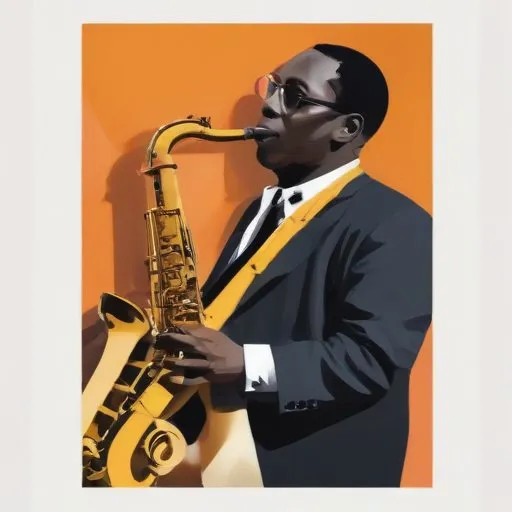
A pioneering saxophonist and composer who blended bebop with classical music, creating a unique sound that influenced generations of jazz musicians.
Gigi Gryce, a jazz saxophonist, flautist, clarinetist, composer, arranger, and educator, left an indelible mark on the jazz scene with his harmonically-rich compositions and poetic improvisations. Although his performing career was relatively short-lived, his contributions to the genre continue to inspire and influence jazz enthusiasts to this day.
Born George General Grice Jr. on November 28, 1925, in Pensacola, Florida, Gryce spent most of his early life in Hartford, Connecticut. His family's strong emphasis on music, manners, and discipline had a profound impact on him, shaping his future as a musician and composer. Gryce's parents, owners of a small cleaning and pressing service, instilled in him the value of discipline and hard work, which would later translate to his dedication to his craft.
Gryce's musical journey began at the Boston Conservatory, where he honed his skills as a composer and musician, earning a reputation as a well-educated and versatile artist. His exposure to the works of Charlie Parker and Thelonious Monk greatly influenced his style, which blended elements of hard bop and classical music. Gryce's unique sound soon gained recognition, and he became an in-demand arranger and composer for prominent jazz musicians.
Gryce's compositional legacy is perhaps his most enduring contribution to jazz. His harmonic choices, reminiscent of Benny Golson, Tadd Dameron, and Horace Silver, added a new dimension to the genre. Classics like "Minority," "Social Call," and "Nica's Tempo" have become minor jazz standards, covered extensively by artists across generations. Gryce's music continues to captivate audiences with its intricate harmonies, poetic melodies, and introspective charm.
In the 1960s, Gryce abruptly ended his jazz career, a decision that remains shrouded in mystery. This sudden departure, coupled with his private nature, has resulted in limited knowledge about his life and legacy. Despite his relatively short career, Gryce's impact on jazz is undeniable, and his music remains a testament to his artistic genius.
Gryce's influence extends beyond his own compositions, as his work has inspired a new generation of jazz musicians and composers. His unique blend of jazz and classical music has paved the way for future innovators, ensuring his legacy as a harmonic maestro. Although his personal life may remain enigmatic, Gryce's music continues to speak volumes, a testament to his enduring impact on the jazz landscape.
Gigi Gryce's life and legacy serve as a reminder that true artistry can transcend time and circumstance, leaving behind a harmonic tapestry that continues to inspire and enrich the world of jazz.
Born in 1920
A pioneering jazz saxophonist and composer, known for his lightning-fast solos and innovative bebop style that revolutionized jazz music. 82
Born in 1917
A jazz legend who revolutionized piano playing and composition with unorthodox techniques and harmonies, creating a unique, improvisational style that continues to inspire generations of musicians.
Born in 1917
A virtuosic trumpet player and composer who revolutionized jazz with his lightning-fast solos and iconic puffy cheeks, creating a new language for the instrument. He's synonymous with bebop and modern jazz.
Born in 1919
A legendary jazz drummer and leader of the Jazz Messengers, known for nurturing young talent and shaping the sound of modern jazz through his iconic band.
87 Years Old
A renowned jazz trumpeter and composer, known for his soulful, melodic playing style and iconic album "The Sidewinder".
97 Years Old
A renowned jazz saxophonist and composer, he wrote music for jazz legends and film/TV, creating iconic themes like "Mork & Mindy" and "Mission: Impossible".
99 Years Old
A legendary jazz saxophonist and composer who revolutionized the genre with his innovative, spiritually-driven improvisations and iconic albums like "A Love Supreme".
Born in 1926
A legendary jazz musician who revolutionized the genre with his improvisational style and iconic albums like "Kind of Blue". He's synonymous with cool, jazzy sophistication.
