


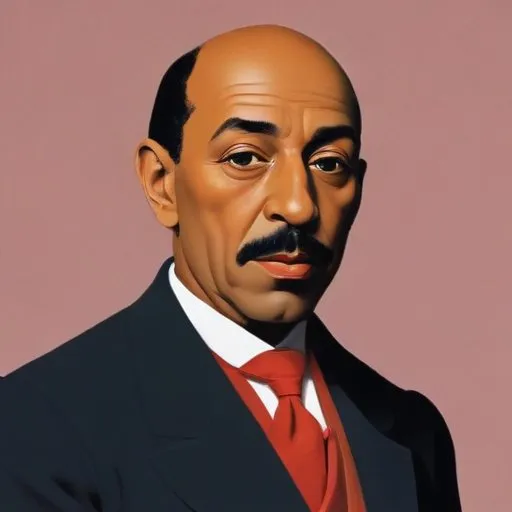
A prominent figure in American art, known for his impressionist paintings and influential art criticism, shaping the country's artistic landscape.
Guy Pène du Bois was a renowned American painter, art critic, and educator, best known for his vivid depictions of early 20th century American culture, particularly the vibrant café scenes, theaters, and flappers of the 1920s. Through his work, du Bois not only captured the essence of his era but also left an indelible mark on the art world.
Born on January 4, 1884, to a French family in the United States, du Bois's artistic journey began in 1899 when he enrolled in the New York School of Art to study under the esteemed painter William Merritt Chase. In 1902, he joined a painting class taught by Robert Henri, whose emphasis on everyday life influenced du Bois's artistic style.
In 1905, du Bois traveled to Europe to study under Théophile Steinlen, but his father's passing in 1906 brought him back to the United States. This experience had a profound impact on his artistic perspective, as he began to focus more on the American culture and society surrounding him.
Du Bois formed a lifelong friendship with the iconic American artist Edward Hopper, serving as the best man at Hopper's wedding to Josephine Hopper. This friendship played a significant role in shaping du Bois's artistic style and critique.
Between 1906 and 1913, du Bois worked as an illustrator and cartoonist for the New York American, simultaneously writing art criticism for the publication. He later became the editor of Arts and Decoration in 1913 and contributed to other prominent publications, including the New York Post and The Arts.
In 1940, du Bois published his autobiography, Artists Say the Silliest Things, offering a unique glimpse into his thoughts on art and life. His son, William Pène du Bois, became a notable French-American author and illustrator, while his daughter, Yvonne Pène du Bois, followed in her father's footsteps as a painter.
Guy Pène du Bois's contributions to American art and culture are undeniable. His work not only captured the essence of the early 20th century but also inspired future generations of artists. As an art critic, educator, and painter, du Bois left an indelible mark on the art world, solidifying his place as one of the most influential figures of his time.
Born in 1865
A pioneering figure in American art, known for advocating for a more spontaneous and expressive approach to painting, and for teaching and mentoring many notable artists.
Born in 1867
A pioneering figure in the Ashcan School, known for vivid, gritty depictions of urban life and its struggles. His bold, expressive brushstrokes captured the essence of early 20th-century America.
Born in 1870
American painter and illustrator known for capturing the vibrant spirit of urban life in the early 20th century through his bold, colorful depictions of city streets and everyday people.
Born in 1858
An American Post-Impressionist painter and art instructor, known for vibrant, expressive depictions of urban leisure activities and landscapes. His work bridges the gap between Impressionism and Fauvism.
Born in 1873
A pioneering figure in American Impressionism, capturing the beauty of urban and natural landscapes with vibrant colors and loose brushstrokes. Known for his dreamy, ethereal depictions of everyday life.
Born in 1882
A renowned artist of the early 20th century, known for his vivid, symbolic, and often provocative paintings and illustrations that explored the human condition, as well as his work in book design and travel writing.
