


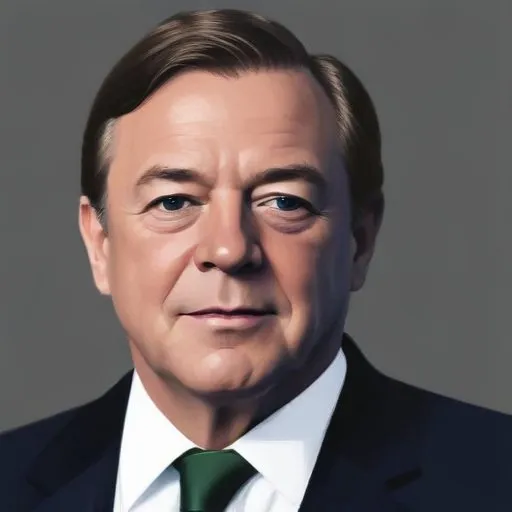
A prominent Democratic congressman from Louisiana, known for his influential role in shaping the country's civil rights legislation, particularly the Civil Rights Act of 1965.
Hale Boggs was an American Democratic Party politician and member of the U.S. House of Representatives from New Orleans, Louisiana, who served as the House majority leader and played a crucial role in shaping American politics. Perhaps most famously, Boggs was a member of the Warren Commission, investigating the assassination of President John F. Kennedy.
Born on February 15, 1914, in Long Beach, Mississippi, Boggs was the son of Claire Josephine Hale and William Robertson Will Boggs. He received his bachelor's degree in journalism from Tulane University in 1934 and went on to earn his law degree in 1937. After setting up his law practice in New Orleans, Boggs joined the movement to break the power of the political machine of U.S. Senator Huey Pierce Long Jr.
In 1940, Boggs ran as an anti-Long candidate in the 2nd congressional district and defeated incumbent Paul H. Maloney in the Democratic primary. He won the general election unopposed, becoming, at 27, the youngest member of Congress. This initial election was not without controversy, as five of his political allies were convicted of changing 97 votes for Boggs' Democratic primary opponents into votes for him.
In 1963, Boggs was appointed to the Warren Commission, tasked with investigating the assassination of President John F. Kennedy. He served alongside other prominent figures, including Chief Justice Earl Warren, Senator Richard Russell, and Representative Gerald Ford.
In 1972, while still majority leader, Boggs embarked on a fundraising drive in Alaska when the twin-engine airplane on which he was traveling, along with Alaska congressman Nick Begich and two others, disappeared en route from Anchorage to Juneau, Alaska. Despite extensive search efforts, Boggs' remains were never found, and he was declared dead on December 29, 1972.
Hale Boggs left an indelible mark on American politics, serving as a beacon of democracy and public service. His commitment to civil rights, his leadership in the House, and his role in shaping the nation's course make him a enduring figure in American history.
Hale Boggs' disappearance in 1972 left many questions unanswered, but his life's work and contributions to American democracy remain an enduring testament to his spirit and leadership.
Born in 1916
The first woman to represent Louisiana in Congress, she broke gender barriers in politics and later became a diplomat, fostering international relations with the Vatican.
Born in 1912
The 55th Speaker of the United States House of Representatives, a prominent Democrat who played a crucial role in shaping American politics during the 1980s, particularly through his rivalry with President Ronald Reagan. He's known for his charismatic leadership and ability to build bipartisan coalitions.
Born in 1908
The 36th President of the United States, a skilled politician and leader, played a crucial role in passing landmark civil rights legislation, including the Civil Rights Act and Voting Rights Act.
Born in 1917
The 35th President of the United States was a charismatic leader who navigated the country through the Cuban Missile Crisis and advocated for civil rights, leaving a lasting legacy in American politics.
Born in 1925
A Navy officer, lawyer, and politician who served as US Attorney General, playing a key role in the Civil Rights Movement and advocating for social justice. He was a prominent figure in American politics during the 1960s.
94 Years Old
A prominent figure in American politics, serving nearly 47 years in the Senate, championing liberal causes, and playing a significant role in shaping the country's healthcare and civil rights policies.
Born in 1911
The 38th Vice President of the United States was a prominent liberal politician and journalist who played a key role in shaping the country's civil rights policies. He's most known for his strong support of the Civil Rights Act of 1964.
98 Years Old
The 42nd Vice President of the United States was a prominent politician who served under Jimmy Carter and was known for his strong liberal stance and advocacy for social justice. He was also the Democratic nominee for president in 1984.
