


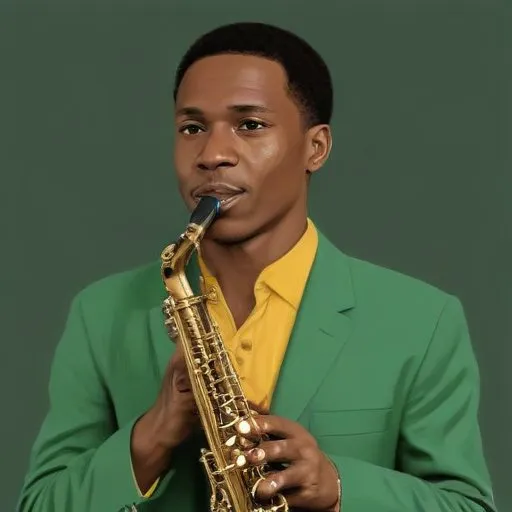
A virtuosic saxophonist and flutist, blending Caribbean rhythms with modern jazz, creating a unique, soulful sound. Known for his versatility and collaborations with notable musicians.
Harold McNair, known for his versatility as a saxophonist and flautist, was a Jamaican-born musician who made significant contributions to the jazz scene in the 1960s. He is recognized for his unique blend of Caribbean and jazz styles, which earned him a reputation as a formidable player on flute, alto, and tenor saxophone.
Born on November 5, 1931, in Kingston, Jamaica, McNair attended the Alpha Boys School under the tutelage of Vincent Tulloch. He began his musical career in The Bahamas, where he used the name "Little G" for recordings and live performances. During this period, he mostly played Caribbean musical styles, rather than jazz, and sang and played both alto and tenor saxophone.
In the 1950s, McNair's early Bahamian recordings were characterized by their Caribbean flavor, with little emphasis on jazz. However, his debut album, Bahama Bash, released in 1960, marked a turning point in his career, as it showcased a mixture of jazz and calypso numbers. It was during this time that he began playing the flute, which would eventually become his signature instrument.
In 1960, McNair departed for Europe, where he joined the ranks of other Caribbean jazz musicians, such as Joe Harriott and Dizzy Reece. He toured Europe with Quincy Jones and worked on film and TV scores in Paris. Upon arriving in London, he quickly gained a reputation as a formidable player on flute, alto, and tenor saxophone, leading to a regular gig at Ronnie Scott's Jazz Club.
McNair's playing drew the admiration of bass player Charles Mingus, with whom he worked on the motion picture All Night Long in 1961. He was part of a quartet Mingus formed to rehearse with during his stay in Britain, although the band never performed in front of a paying audience due to a ban imposed by the Musicians Union on US musicians in British nightclubs.
Harold McNair's unique blend of Caribbean and jazz styles has left an indelible mark on the jazz scene. His contributions as a saxophonist and flautist have inspired generations of musicians, and his legacy continues to be celebrated through his music. Although his life was cut short, McNair's impact on jazz is undeniable, and his music remains a testament to his innovative spirit.
Born in 1926
A legendary jazz saxophonist and composer who revolutionized the genre with his innovative, spiritually-driven improvisations and iconic albums like "A Love Supreme".
Born in 1920
A pioneering jazz saxophonist and composer, known for his lightning-fast solos and innovative bebop style that revolutionized jazz music. 82
Born in 1917
A virtuosic trumpet player and composer who revolutionized jazz with his lightning-fast solos and iconic puffy cheeks, creating a new language for the instrument. He's synonymous with bebop and modern jazz.
Born in 1917
A jazz legend who revolutionized piano playing and composition with unorthodox techniques and harmonies, creating a unique, improvisational style that continues to inspire generations of musicians.
Born in 1926
A legendary jazz musician who revolutionized the genre with his improvisational style and iconic albums like "Kind of Blue". He's synonymous with cool, jazzy sophistication.
96 Years Old
A legendary jazz saxophonist and composer, renowned for his improvisational genius and iconic recordings that redefined the genre. His playing style is characterized by intense emotional expression and harmonic innovation.
97 Years Old
A highly influential and innovative jazz pianist and composer, known for his lyrical and introspective playing style, which expanded the possibilities of jazz harmony and improvisation.
86 Years Old
A legendary jazz pianist and composer who blended traditional and electronic elements, creating a unique sound that has inspired generations of musicians.
