


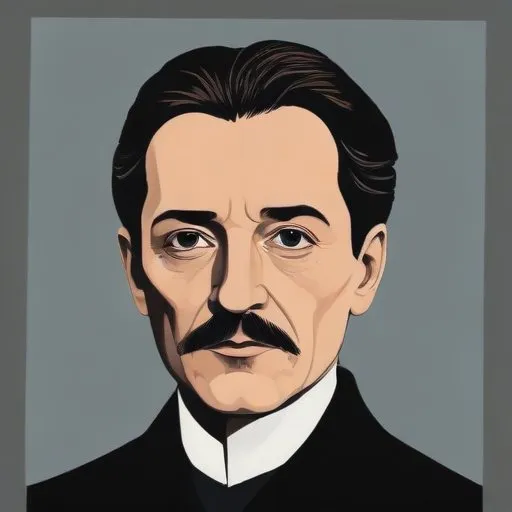
A 17th-century poet and historian who wrote influential works on German history and mythology, particularly the epic poem "Parthenopeus".
Renowned as a German historian and poet, Heinrich Meibom left an indelible mark on the realm of medieval history, earning him a revered position in the annals of academia. His most notable contribution lies in elucidating the medieval history of Germany, making him a household name in the world of historical scholarship.
Born on December 4, 1555, in Barntrup, Westphalia, Meibom embarked on a lifelong journey of learning and academic excellence. He held the esteemed chair of history and poetry at Helmstedt from 1583 until his death in 1625, demonstrating his unwavering dedication to his craft.
Meibom's talents extended beyond the realm of historical scholarship, as he was a skilled writer of Latin verses. His work, Parodiarum horatianarum Libri III et sylvarum Libri II, published in 1588, showcased his flair for poetry. This talent was duly recognized by Emperor Rudolph II, who ennobled Meibom in a testament to his exceptional abilities.
Meibom's magnum opus, Opuscula historica ad res Germanicus spectantia, was edited and published posthumously in 1660 by his grandson, Heinrich Meibom, a professor of medicine and history. This monumental work solidified Meibom's position as a leading authority on medieval German history, offering invaluable insights into the period.
Furthermore, his grandson Heinrich Meibom's own work, Rerum germanicarum scriptures, published in 1688, incorporated Meibom's own research, thereby perpetuating his grandfather's legacy in the field of historical scholarship.
Heinrich Meibom's contributions to the field of medieval history continue to reverberate through the annals of time, cementing his status as a pioneering historian and poet. His work remains a testament to the power of dedicated scholarship, inspiring generations of historians and scholars to follow in his footsteps.
As we reflect on Meibom's remarkable achievements, we are reminded of the profound impact that dedicated scholarship can have on our understanding of the past, and the indelible mark it leaves on the fabric of human knowledge.
Born in 1749
A German literary giant who penned iconic works like "Faust" and "The Sorrows of Young Werther", shaping the Romantic movement and influencing countless writers.
Born in 1759
A renowned poet and playwright who crafted influential works that explored the human condition, morality, and the struggle for freedom, leaving a lasting impact on German literature.
Born in 1744
A German Enlightenment thinker who shaped modern philosophy, literature, and anthropology with his ideas on cultural relativism, nationalism, and the importance of folklore. He's often considered the father of comparative literature.
Born in 1729
A prominent Enlightenment thinker, he's known for his influential writings on philosophy, literature, and theology, which helped shape modern German culture. He's also credited with developing the concept of dramatic irony in literature.
Born in 1724
Developed influential philosophical frameworks, such as the Critique of Pure Reason, that shaped modern Western thought on ethics, morality, and human understanding.
Born in 1712
A pioneering thinker who shaped modern democracy and education with his ideas on social contracts, general will, and the importance of early childhood education. His writings influenced the French Revolution and modern political thought.
Born in 1694
A witty and insightful 18th-century writer and philosopher who used satire to critique societal norms and advocate for reason, tolerance, and human rights.
Born in 1715
A prominent 18th-century poet and academic who wrote influential works that shaped German literature and education. He's known for his fables, poems, and essays that promoted moral values and Enlightenment ideas.
