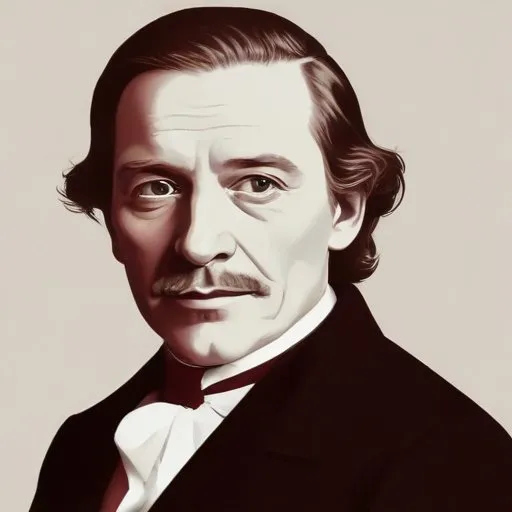
Heinrich von Herzogenberg: The Unwavering Champion of Classical Music
A Life Dedicated to the Revival of Bach's Legacy
Heinrich von Herzogenberg, a renowned Austrian composer and conductor, is best known for his tireless efforts in promoting the works of
Johann Sebastian Bach and
Johannes Brahms. Through his contributions to the Leipzig Bach-Verein and his role as a professor at the Hochschule für Musik in Berlin, Herzogenberg played a significant part in shaping the classical music landscape of the late 19th century.
Early Life and Education
Born on June 10, 1843, in Graz, Austria, Herzogenberg came from a French aristocratic family. He received his education at a Jesuit school in Feldkirch and later studied law, philosophy, and political science at the University of Vienna. However, his true passion lay in music, which led him to attend composition classes under Felix Otto Dessoff until 1864.
A Classical Revivalist
In the 1860s, Herzogenberg was initially drawn to the music of
Richard Wagner, but after discovering the works of J.S. Bach, he became a devoted advocate of the classical tradition. This shift in allegiance led him to focus on promoting the music of Brahms, with whom he developed a close relationship through his marriage to Elisabeth von Stockhausen, a piano pupil of Brahms. Their correspondence, including Brahms' letters, provides valuable insights into their artistic collaborations and personal relationships.
The Leipzig Bach-Verein and its Impact
In 1874, Herzogenberg co-founded the Leipzig Bach-Verein with Philipp Spitta, a prominent Bach scholar. As the artistic director of the organization, Herzogenberg worked tirelessly for ten years to revive Bach's cantatas, earning him recognition as a leading authority on Bach's music. During this period, he also taught composition to notable students, including
Ethel Smyth.
Professorial Pursuits and Mentoring Ralph Vaughan Williams
In 1885, Herzogenberg became a Professor of Composition at the Hochschule für Musik in Berlin, where he mentored the young
Ralph Vaughan Williams. It was during this time that Herzogenberg advised Vaughan Williams to study under
Max Bruch, setting the stage for the development of Vaughan Williams' unique compositional style.
Compositions and Variations
As a composer, Herzogenberg created a range of works, including symphonies, chamber music, and choral pieces. His Variations on a Theme of Brahms, Op. 23, written in 1876, showcases his mastery of classical forms and his deep appreciation for Brahms' music.
Legacy and Impact
Despite facing criticism from Brahms himself, Herzogenberg's dedication to promoting classical music and his unwavering commitment to preserving Bach's legacy have left an indelible mark on the world of classical music. His contributions continue to inspire generations of composers, conductors, and musicologists, ensuring that the classical tradition remains alive and vibrant.
Personal Life and Later Years
Herzogenberg's later years were marked by health issues, including necrosis of the joints, which forced him to use a wheelchair. He passed away on October 9, 1900, in Wiesbaden, leaving behind a rich legacy that continues to resonate with music lovers around the world.