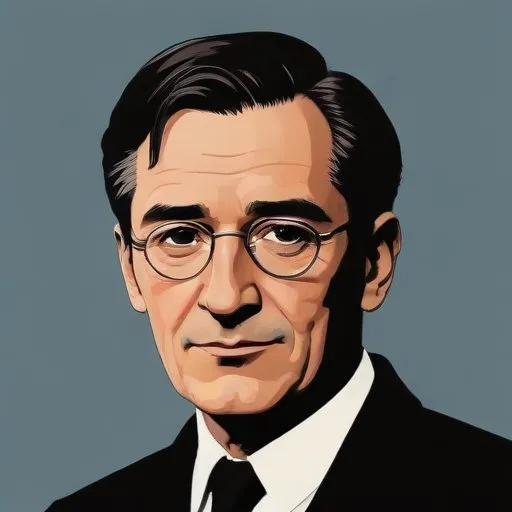
Heinz G. Konsalik

Heinz G. Konsalik

Heinz G. Konsalik was born on May 28th, 1921

Full Name: Heinz Günter Konsalik
Place of Birth: Köln, Germany
Profession: Journalist and Author
Nationality: German
Notable Works: The Werewolf
Genre: Historical Fiction
Literary Movement: Vergangenheitsbewältigung
Awards: Heinrich Heine Prize

A German journalist and author, best known for writing popular novels about love, family, and social issues, often with a touch of drama and romance. His works were widely read and adapted into films and TV series.

Written by: Thomas Blackwood Thomas Blackwood

Heinz G. Konsalik: The Prolific German Novelist of War and Humanity

A Master of War Literature

Heinz G. Konsalik, a pseudonym of Heinz Günther, was a German novelist renowned for his gripping and thought-provoking works that delved into the human side of war. With over 155 novels to his credit, Konsalik's literary mastery earned him the distinction of being the most popular German novelist of the post-war era, with an impressive 83 million copies sold worldwide. Born on May 28, 1921, Konsalik's early life was marked by a passion for writing. He began writing feature articles for Cologne newspapers at the tender age of 16. In 1938, he published his first poem, and a year later, he completed his first drama, Der Geuse (The Beggar). This early start set the stage for a prolific writing career that would eventually span over five decades.

The War Correspondent Turned Novelist

During World War II, Konsalik served as a war correspondent, an experience that would later heavily influence his writing. His wartime experiences imbued his novels with a depth of understanding and empathy, allowing him to portray the complexities of human nature amidst the chaos of war. This unique perspective earned him widespread acclaim and a loyal readership.

Major Works and Literary Contributions

Konsalik's most famous novel, Der Arzt von Stalingrad (The Doctor of Stalingrad), published in 1956, catapulted him to fame. The novel's success was soon followed by a film adaptation in 1958. Another notable work, Das geschenkte Gesicht (Mask My Agony), is a poignant portrayal of a German soldier's struggle with identity and humanity after suffering a devastating facial injury.

Philosophical Themes and Beliefs

Konsalik's writing often explored the human condition, focusing on the struggles and triumphs of ordinary people caught in extraordinary circumstances. His novels rarely took a judgmental stance on the war, instead opting to present a nuanced, balanced portrayal of the German experience during World War II. This approach earned him both praise and criticism, but ultimately cemented his reputation as a masterful storyteller.

Influence on Modern Society and Pop Culture

Konsalik's novels have had a lasting impact on German popular culture. His works have been translated into multiple languages, selling millions of copies worldwide. His ability to weave captivating narratives around the human experience has inspired a generation of writers, filmmakers, and artists.

Awards and Honors

Throughout his illustrious career, Konsalik received numerous awards and honors for his contributions to literature. His prolific output and dedication to his craft earned him a place among Germany's literary elite.

Legacy and Historical Context

Heinz G. Konsalik's legacy extends far beyond his impressive sales figures. His novels have become an integral part of Germany's cultural heritage, offering a unique window into the country's complex past. His commitment to storytelling has inspired generations of writers, ensuring that his work will continue to resonate with readers for years to come.

Farewell to a Literary Giant

Heinz G. Konsalik passed away on October 2, 1999, leaving behind a treasure trove of literary masterpieces. His novels continue to captivate readers, serving as a testament to his boundless talent and dedication to the craft of storytelling.
Timeline
1921
Born in Germany
Heinz G. Konsalik was born on May 28, 1921, in Cologne, Germany, to a family of writers and intellectuals.
1940
Began writing career
Konsalik began his writing career in the 1940s, publishing his first novel in 1948.
1950
Published Young Doctors
Konsalik published his bestselling novel Young Doctors in 1950, which established him as a leading German author.
1960
Focused on non-fiction
Konsalik shifted his focus to non-fiction writing in the 1960s, publishing books on history, science, and politics.
1999
Died at 78
Heinz G. Konsalik died on December 2, 1999, at the age of 78, leaving behind a legacy as one of Germanys most popular and prolific authors.
Heinz G. Konsalik

Heinz G. Konsalik Quiz

What genre of novels did Heinz G. Konsalik primarily write?

Score: 0/5
FAQ
What was Heinz G. Konsaliks literary style?
Heinz G. Konsalik was a German journalist and author known for his engaging and accessible writing style, which made him a popular figure in German literature.
What kind of topics did Heinz G. Konsalik write about?
Heinz G. Konsalik wrote about a range of topics, including politics, history, and social issues. He was particularly known for his novels about World War II and its aftermath.
What awards did Heinz G. Konsalik receive for his writing?
Heinz G. Konsalik received numerous awards for his writing, including the German Book Prize and the Ewald von Kleist Award.
What was Heinz G. Konsaliks most famous novel?
Heinz G. Konsaliks most famous novel is Der Arzt von Stalingrad, which tells the story of a German doctors experiences during World War II.
What was Heinz G. Konsaliks impact on German literature?
Heinz G. Konsaliks writing had a significant impact on German literature, as he helped to shape the countrys post-war literary landscape and inspire a new generation of writers.

Related People:

Heinrich Böll

Born in 1917

A German novelist and short story writer, known for his critical and satirical portrayals of post-war German society, exploring themes of morality, politics, and identity. His works often blended realism with fantastical elements, offering a unique perspective on the human condition.

Günter Grass

99 Years Old

A renowned German writer and artist, celebrated for his influential and provocative works that explored the human condition, morality, and the complexities of German history and identity.

Erich Maria Remarque

Born in 1898

A German-Swiss soldier and author, best known for writing the classic novel "All Quiet on the Western Front", a powerful anti-war tale that vividly depicts the horrors of World War I.

Thomas Mann

Born in 1875

A renowned literary mastermind, celebrated for crafting complex, psychologically rich novels that probed the human condition, often blending philosophy and art.

Alfred Döblin

Born in 1878

A Polish-German physician and author who wrote influential novels that explored the human condition, blending psychology, philosophy, and social commentary. His works are considered precursors to magical realism.

Erich Kästner

Born in 1899

A celebrated German writer and poet, best known for his humorous and satirical children's books, such as "Emil and the Detectives" and "Lottie and Lisa", which have been beloved by generations of readers.

Hermann Hesse

Born in 1877

A renowned poet, novelist, and painter, celebrated for his thought-provoking and introspective works that explore the human condition, spirituality, and the search for meaning. His writings often blended elements of psychology, philosophy, and mysticism.

Stefan Zweig

Born in 1881

A celebrated writer of psychological novels and biographies that probed the human condition, known for his vivid storytelling and insightful portrayals of historical figures.