


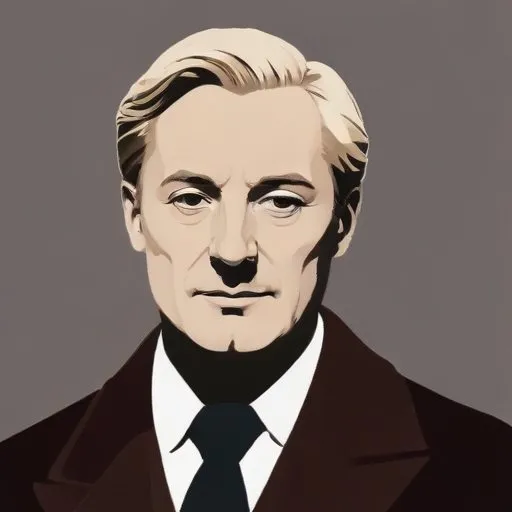
A pioneering figure in Norwegian literature, known for his romantic poetry and plays that explored national identity and social issues.
Henrik Wergeland is widely regarded as one of Norway's most influential writers, celebrated for his poetry, plays, and literary contributions that shaped the country's cultural heritage. He is often referred to as the "Father of Modern Norwegian Literature," leaving an indelible mark on the nation's literary landscape.
Born on June 17, 1808, Wergeland was the oldest son of Nicolai Wergeland, a member of the constituent assembly at Eidsvoll in 1814. His father's patriotism and involvement in Norway's struggle for independence instilled in Wergeland a strong sense of national pride from an early age. He studied at The Royal Frederick University, graduating in 1829 and preparing for a career in the church.
Wergeland's passion for Norwegian independence and national identity led him to become a symbol of the fight for celebrating the country's constitution on May 17. Despite the royal decree forbidding the celebration, Wergeland took a bold stand, participating in the infamous "Battle of the Square" in Christiania. His bravery earned him public acclaim, and he eventually became the first person to deliver a public address on behalf of the national day.
Wergeland's literary career was marked by prolificacy, producing works that spanned poetry, plays, history, and linguistics. His debut collection of poems, Digte, første Ring (Poems, First Circle), published in 1829, showcased his lyrical and patriotic style. He went on to write influential plays like Skabelsen, Mennesket og Dyret (Creation, Man, and Beast), which explored themes of love, morality, and humanity.
Wergeland's contributions to Norwegian literature and culture are immense. He played a pivotal role in shaping the country's distinct literary heritage, inspiring future generations of writers and intellectuals. His efforts to allow Jews into Norway earned him gratitude from the Jewish community of Oslo, who still pay their respects at his grave on May 17.
"The Norwegian people are not a people, they are a tribe, and they will always be a tribe."
Wergeland's life and works were marked by controversy and criticism, but his unwavering commitment to Norwegian independence and cultural identity earned him a lasting legacy. He remains an icon in Norwegian literature, and his contributions continue to inspire and influence writers, artists, and intellectuals to this day.
Wergeland's contemporaries, including writers like Johan Sebastian Welhaven and Maurits Hansen, shared his passion for Norwegian literature and culture. However, Wergeland's unique blend of poetry, politics, and patriotism set him apart as a pioneering figure in the country's literary heritage.
| 1808 | Born on June 17 |
| 1825 | Entered The Royal Frederick University |
| 1829 | Graduated and published Digte, første Ring |
| 1839 | Became the first person to deliver a public address on Norway's national day |
| 1845 | Died on July 12 at the age of 37 |
Despite his short life, Wergeland's impact on Norwegian literature and culture remains profound, inspiring generations to come.
Born in 1828
A pioneer of realism in theater, known for plays that probed the human condition, challenging social norms and morals through complex characters and situations.
Born in 1832
A Norwegian-French author and playwright who wrote influential works that explored themes of social justice, morality, and national identity, earning him the Nobel Prize in Literature in 1903.
Born in 1849
A prominent figure in Norwegian literature, known for his realistic and socially conscious plays and novels that critiqued the social conventions of his time.
Born in 1859
A Norwegian literary giant, celebrated for his pioneering works that explored the human condition, nature, and the search for meaning. His writing style, a blend of realism and lyricism, influenced generations of writers.
Born in 1882
A Danish-Norwegian writer who penned epic historical novels, including the Kristin Lavransdatter trilogy, which explores themes of love, faith, and identity in medieval Norway. Her works are celebrated for their rich detail and strong female characters.
Born in 1897
A renowned Norwegian literary figure, celebrated for his poignant and evocative writings that explore the human condition, often delving into themes of love, nature, and the complexities of rural life.
