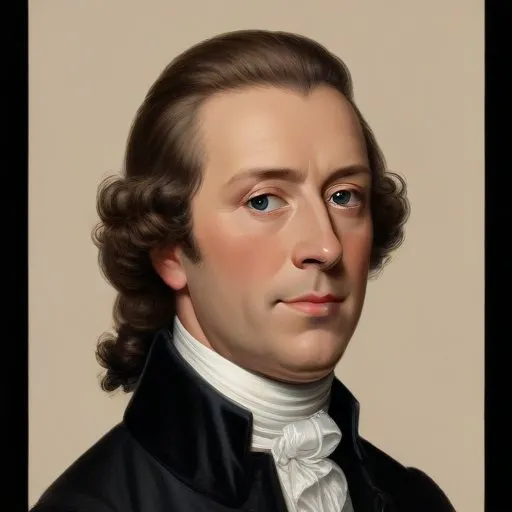
Henry Wilmot, 1st Earl of Rochester: The Royal Cavalier of the English Civil War
A Loyal Servant to the Crown
Henry Wilmot, 1st Earl of Rochester, is best known for his unwavering dedication to the Royalist cause during the tumultuous Wars of the Three Kingdoms. As a skilled military commander, he fought bravely alongside King Charles I, earning him the esteemed title of Earl of Rochester in 1652.
Early Life and Family Legacy
Born on October 26, 1612, Henry Wilmot was the third son of Charles Wilmot, 1st Viscount Wilmot, a distinguished military leader who served with distinction in Ireland during Tyrone's Rebellion. As the only surviving son, Henry inherited the title of Viscount Wilmot upon his father's death.
Military Career and Rise to Prominence
Wilmot honed his military skills in the Dutch army, where he gained valuable experience and was severely wounded at the siege of Breda. He later joined Charles I for the Bishops' Wars, serving as an officer in the cavalry and sitting on the Royal Council of War. His bravery in battle earned him a reputation as a skilled and fearless commander.
Parliamentary Career and Army Plot
In 1640, Wilmot was elected to the Long Parliament, representing Tamworth. During this time, he became embroiled in the Army Plot of 1641, a conspiracy against Parliament. His involvement led to his imprisonment in the Tower of London and expulsion from the House of Commons.
The First English Civil War
As the First English Civil War broke out, Wilmot joined King Charles I at York, raising a regiment of horse for the king's army. He was wounded at the Battle of Powick Bridge, but recovered in time to lead the left wing of the royalist cavalry at the Battle of Edgehill. His military prowess and loyalty earned him the post of commissary-general of horse.
Personal Milestones and Key Life Events
- 1643: Created Lord Wilmot
- 1644: Created Viscount Wilmot
- 1652: Created Earl of Rochester
Influence on Modern Society
Henry Wilmot's military career and unwavering loyalty to the Royalist cause have cemented his place in history as a devoted servant to the crown. His bravery and tactical prowess have inspired generations of military leaders, earning him a lasting legacy in the annals of English history.
Historical Context and Legacy
Wilmot's life and career are intricately woven into the complex fabric of the English Civil War, a pivotal moment in British history. His unwavering dedication to the Royalist cause, despite the turmoil and uncertainty of the times, serves as a testament to his unshakeable convictions and sense of duty.
Quotes and Memorable Sayings
"[Wilmot's] loyalty to the King was unshakeable, his courage in battle unwavering, and his devotion to the Royalist cause unrelenting." - Historian, Thomas Fairfax
Trivia and Fun Facts
- Wilmot was known for his dashing good looks and charming personality, earning him a reputation as a ladies' man.
- He was a close friend and confidant of Queen Henrietta Maria, who often sought his counsel on matters of state.
FAQ
What was Henry Wilmots role in the English Civil War?
Henry Wilmot, 1st Earl of Rochester, was a prominent Royalist during the English Civil War, serving as a cavalry commander and playing a key role in several key battles.
What was Henry Wilmots relationship with King Charles I?
Henry Wilmot was a close advisor and confidant to King Charles I, serving as one of the kings most trusted military commanders during the English Civil War.
How did Henry Wilmot contribute to the Restoration of the monarchy?
Henry Wilmot played a key role in the Restoration of the monarchy in 1660, helping to facilitate the return of Charles II to the throne after a period of republican rule.
What was Henry Wilmots reputation as a military commander?
Henry Wilmot was known for his bravery and tactical skill as a military commander, earning a reputation as one of the most effective Royalist generals of the English Civil War.
How did Henry Wilmots legacy shape the English monarchy?
Henry Wilmots legacy had a lasting impact on the English monarchy, influencing the development of the Restoration settlement and shaping the course of British politics in the centuries that followed.