


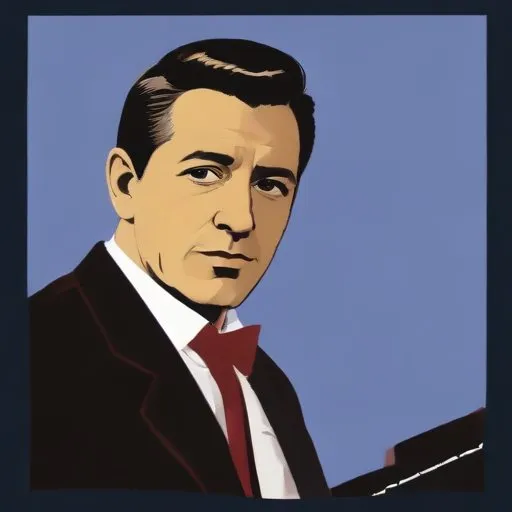
A popular pianist, bandleader, and radio host who entertained audiences with his music and charisma during the 1930s-1950s, particularly known for his orchestra's hit songs and radio shows.
Known as one of the most popular radio bandleaders of the 1930s and 1940s, Horace Heidt was a multifaceted American pianist, big band leader, and radio and television personality. His iconic band, Horace Heidt and his Musical Knights, mesmerized audiences with their unique blend of jazz, swing, and popular music, making him a household name during the golden era of American entertainment.
Born on May 21, 1901, in Alameda, California, Heidt's journey into music was not a deliberate choice, but rather a consequence of a broken back suffered during a football practice session. This unexpected turn of events led him to explore his passion for music, and he soon formed a band, The Californians, with his classmates at the University of California, Berkeley.
From 1932 to 1953, Heidt's band, Horace Heidt and his Musical Knights, dominated the airwaves, performing on both NBC and CBS radio networks in various formats. His shows, such as Shell Oils Ship of Joy and Answers by the Dancers, Captain Dobbsies Ship of Joy, and Horace Heidts Alemite Brigadiers, became staples of American entertainment, featuring talented musicians, including guitarist Alvino Rey and The King Sisters.
Heidt's band recorded numerous hits, with songs like Gone with the Wind (1937) and TiPiTin (1938) reaching the top of the charts. In 1939, The Man with the Mandolin peaked at No. 2, solidifying Heidt's position as a master of his craft. His band's performances were often accompanied by Art Carney, the band's singing comedian, who would later become a renowned actor.
In 1941, Heidt and his band starred in the film Pot o' Gold, a musical comedy produced by James Roosevelt and directed by George Marshall. The movie, featuring James Stewart and Paulette Goddard, showcased Heidt's band in a fictionalized depiction of their radio show, complete with staged musical numbers. This appearance marked Heidt's foray into the world of cinema, further solidifying his status as a household name.
Horace Heidt's contributions to American entertainment extend far beyond his impressive discography and radio shows. He played a significant role in shaping the sound of big band music, influencing generations of musicians to come. Through his music and television appearances, Heidt brought joy and excitement to countless Americans during a tumultuous period in history, earning him a permanent place in the annals of American popular culture.
Heidt's remarkable journey, marked by perseverance and passion, continues to inspire music lovers and historians alike. His impressive body of work serves as a testament to the power of music to bring people together, transcending generations and genres. As a true pioneer of American entertainment, Horace Heidt's legacy will continue to resonate with audiences for years to come.
Born in 1886
A legendary performer who charmed audiences with his powerful voice and charismatic stage presence, starring in the first "talkie" film, The Jazz Singer, and popularizing jazz and blues music.
Born in 1909
A virtuosic clarinetist and bandleader, known as the "King of Swing," who revolutionized jazz music with his energetic and sophisticated style, leading a racially integrated orchestra in the 1930s.
Born in 1910
A virtuosic clarinetist and innovative bandleader, he revolutionized the swing era with his unique sound and iconic hits like "Begin the Beguine" and "Stardust".
Born in 1904
A legendary trombonist, composer, and bandleader who led one of the most popular big bands of the 1930s and 1940s, creating iconic hits like "In the Mood" and "Moonlight Serenade".
Born in 1899
A legendary jazz pianist, composer, and bandleader who revolutionized the genre with his unique style and iconic compositions, such as "Take the A Train" and "Mood Indigo".
Born in 1904
A legendary jazz pianist and bandleader who led a iconic orchestra, blending swing and blues to create a unique sound that influenced generations of musicians. Known for his distinctive "less-is-more" style and hits like "April in Paris" and "One O'Clock Jump".
Born in 1912
A renowned saxophonist, composer, and bandleader, known for his iconic big band sound and hits like "Sentimental Journey" and "My Heart Belongs to Daddy".
Born in 1916
A legendary trumpet virtuoso and charismatic bandleader, known for his technical brilliance and romantic ballads, as well as his film appearances alongside iconic stars like Betty Grable.
