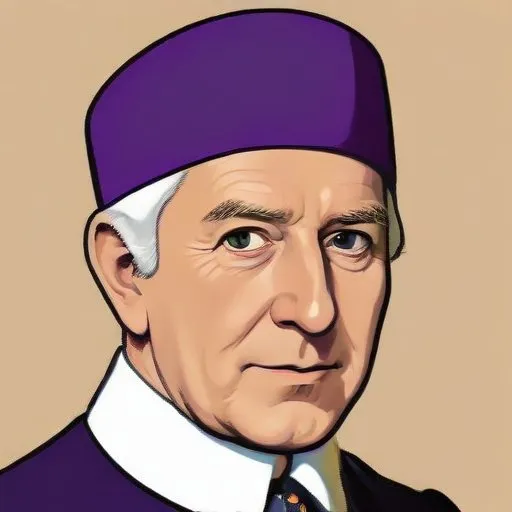
Hugh Montgomerie, 12th Earl of Eglinton: A Scottish Aristocrat and Visionary
A Life of Public Service and Artistic Pursuits
Hugh Montgomerie, 12th Earl of Eglinton, was a Scottish peer, politician, soldier, and composer who left an indelible mark on the history of Scotland. As a Member of Parliament, Lord Lieutenant of Ayrshire, and composer, Montgomerie's multifaceted career was marked by a passion for public service, artistic expression, and innovation.
Early Life and Career
Born on November 5, 1739, Montgomerie was styled Lord Montgomerie from 1769. He began his career in politics, sitting as a Member of Parliament for Ayrshire off and on from 1780 to 1796. During this period, he also raised a fencible regiment, the West Lowland Fencibles, of which he was colonel.
Rise to Prominence
In 1796, Montgomerie succeeded to the earldom through his third cousin and was elected a Scottish representative peer. This marked a significant turning point in his career, as he moved to the House of Lords and was created Baron Ardrossan in the Peerage of the United Kingdom in 1806. Four years later, he was made a Knight of the Thistle in 1814, recognizing his outstanding contributions to Scottish society.
Philanthropy and Infrastructure Development
Montgomerie's commitment to public service extended beyond politics. He was a key proponent of the Glasgow, Paisley and Ardrossan Canal, which aimed to connect Glasgow to the sea via Ardrossan. Although the project faced funding challenges, Montgomerie's efforts laid the foundation for the construction of the canal from Glasgow to Johnstone via Paisley. The Glasgow terminus of the canal was named Port Eglinton, and the neighboring Eglinton Street still bears his name today.
Artistic Pursuits
In addition to his public service, Montgomerie was an accomplished amateur composer and cellist. His most famous work, the dance tune "Ayrshire Lasses," remains a testament to his artistic talent. Other composers, including
Thomas Arne, dedicated works to him, acknowledging his patronage and support for the arts.
Personal Life and Legacy
Montgomerie married Eleanora Hamilton in 1772, and they had two sons and two daughters. His family life was marked by tragedy, including the death of his son Roger in 1799 and his son Archibald in 1814. Despite these personal challenges, Montgomerie's legacy as a visionary and public figure continues to inspire generations.
Impact and Influence
Montgomerie's contributions to Scottish society were multifaceted and far-reaching. He played a crucial role in shaping the country's infrastructure, promoted the arts, and served his community with distinction. As a model of public service and artistic expression, Hugh Montgomerie, 12th Earl of Eglinton, remains an important figure in Scottish history.
- Ayrshire Lasses, Montgomerie's most famous dance tune
- Glasgow, Paisley and Ardrossan Canal, a pioneering infrastructure project
- West Lowland Fencibles, a regiment raised by Montgomerie during the French Revolutionary Wars
- Port Eglinton, the Glasgow terminus of the Glasgow, Paisley and Ardrossan Canal, named in his honor
FAQ
What is Hugh Montgomeries background?
Hugh Montgomerie, 12th Earl of Eglinton, was a Scottish composer and politician who served as Lord Lieutenant of Ayrshire. Born on October 12, 1739, he was part of the Montgomerie family, known for their aristocratic roots.
What are some of Hugh Montgomeries notable works?
As a composer, Hugh Montgomerie created several notable works, including operas and chamber music pieces. His music was often performed at concerts and social gatherings, showcasing his talent and contribution to Scottish music.
What role did Hugh Montgomerie play in Scottish politics?
Hugh Montgomerie served as Lord Lieutenant of Ayrshire, a prominent position that allowed him to influence local politics and governance. He was also involved in national politics, representing the interests of Scottish aristocracy.
How did Hugh Montgomerie contribute to Scottish cultural heritage?
As a composer and politician, Hugh Montgomerie played a significant role in preserving and promoting Scottish cultural heritage. He helped to organize cultural events and supported local artists, ensuring the continuation of traditional Scottish music and arts.
What is Hugh Montgomeries legacy?
Hugh Montgomeries legacy is that of a dedicated public servant and talented composer. He contributed to the cultural and political landscape of Scotland, leaving behind a rich heritage that continues to inspire and influence future generations.