


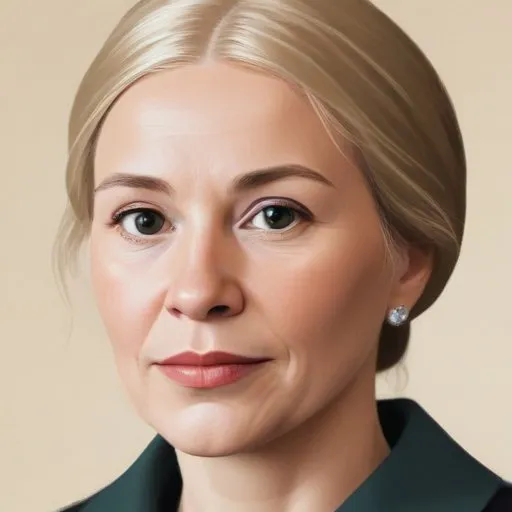
A pioneering educator and writer who championed children's literature and education, creating engaging stories and innovative teaching methods. Her work continues to inspire and educate young minds.
Ingeborg Refling Hagen, a Norwegian author, poet, and artistic director, left an indelible mark on Norway's cultural landscape in the 20th century. Through her writing and advocacy, she championed the country's folk traditions, literature, and arts, earning her a revered status as a cultural icon.
Born in the parish of Tangen in Hedmark, Norway, on December 19, 1895, Ingeborg was the fourth child of a local miller. After her father's untimely passing, the family relied on hard work and determination to make ends meet. Despite the challenges, her mother instilled in her a strong sense of folk tradition, storytelling, and religious consciousness, inspired by Hans Nielsen Hauge's teachings.
In 1911, Ingeborg traveled to Newcastle-upon-Tyne, England, where she worked as a nanny for the Kielland family. During this period, she developed a deep appreciation for Shakespeare's works and socialized with members of the local working class, which would later shape her socialist sympathies and advocacy for the poor.
Ingeborg's literary journey began in the 1920s, with a focus on expressionist novels set in her native Hedmark. She pioneered the use of local dialects in her writing, paving the way for future authors. Her breakthrough came in 1933 with a collection of immigrant poems, capturing the longing for home.
Throughout her career, she wrote novels, poetry, and plays, often exploring themes of social justice, the human condition, and the beauty of Norwegian folk culture. Her works inspired a new generation of writers, solidifying her position as a literary icon.
Ingeborg's experiences during her time in England and later in Norway instilled in her a strong sense of socialism and empathy for the working class. She supported the Norwegian Labour Party throughout her life, often criticizing official party statements while lauding the development of the welfare state. Her commitment to social justice mirrored her passion for preserving Norway's cultural heritage.
Ingeborg Refling Hagen's remarkable life and contributions to Norwegian culture and literature continue to inspire generations. Her legacy extends beyond her literary works, as she played a crucial role in shaping the country's artistic and cultural identity. Today, she remains a beacon of pride for Norway, celebrated for her tireless advocacy and dedication to the arts.
Born in 1882
A Danish-Norwegian writer who penned epic historical novels, including the Kristin Lavransdatter trilogy, which explores themes of love, faith, and identity in medieval Norway. Her works are celebrated for their rich detail and strong female characters.
Born in 1828
A pioneer of realism in theater, known for plays that probed the human condition, challenging social norms and morals through complex characters and situations.
Born in 1832
A Norwegian-French author and playwright who wrote influential works that explored themes of social justice, morality, and national identity, earning him the Nobel Prize in Literature in 1903.
Born in 1859
A Norwegian literary giant, celebrated for his pioneering works that explored the human condition, nature, and the search for meaning. His writing style, a blend of realism and lyricism, influenced generations of writers.
Born in 1897
A renowned Norwegian literary figure, celebrated for his poignant and evocative writings that explore the human condition, often delving into themes of love, nature, and the complexities of rural life.
Born in 1902
A Norwegian literary figure who wrote novels, plays, and essays, and was a prominent critic, known for his witty and incisive reviews. His work often explored themes of identity, morality, and social class.
