


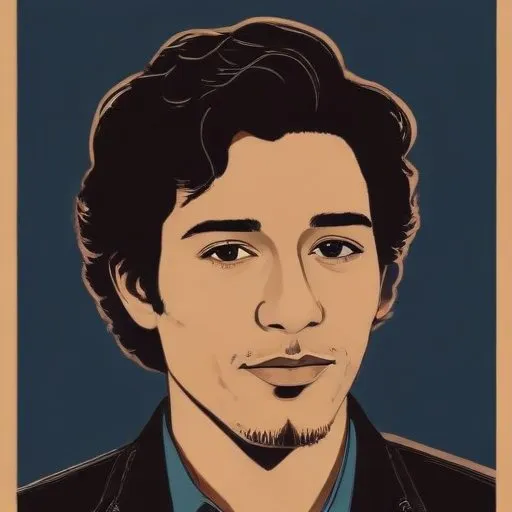
A Chicago blues legend, known for his poignant and socially conscious songwriting, which addressed racism, inequality, and everyday life struggles. His unique style blended blues, folk, and gospel.
J.B. Lenoir was a renowned American blues guitarist and singer-songwriter known for his scorching electric guitar rhythms and provocative lyrics that addressed social issues of the 1950s and 1960s. With a distinctive voice and style that blended Chicago blues with Louisiana roots, Lenoir left an indelible mark on the blues scene.
Born on March 5, 1929, in Monticello, Mississippi, Lenoir was introduced to music by his guitar-playing father. He drew inspiration from blues legends like Blind Lemon Jefferson, Sonny Boy Williamson II, and Elmore James, with whom he worked in New Orleans during the early 1940s.
In 1949, Lenoir moved to Chicago, where he befriended Big Bill Broonzy, who helped him navigate the city's thriving blues scene. He began performing at local nightclubs, sharing the stage with luminaries like Memphis Minnie, Big Maceo Merriweather, and Muddy Waters.
Lenoir started recording in 1951 for J.O.B. Records and Chess Records, producing hits like "Korea Blues" and "Let's Roll." His band, featuring Sunnyland Slim, Leroy Foster, and Alfred Wallace, delivered a unique sound that blended traditional blues with modern electric guitar. Lenoir's showmanship, showcased through his striking zebra-patterned costumes, and his high-pitched vocals, set him apart from his contemporaries.
Lenoir's music addressed pressing issues of his time, such as racism and politics. His song "Eisenhower Blues" sparked controversy, leading Parrot Records to re-release it as "Tax Paying Blues." This bold approach to songwriting cemented Lenoir's position as a pioneer of socially conscious blues.
Lenoir's influence extended far beyond the blues community. His music inspired iconic artists like Eric Clapton, Bob Dylan, and Jimi Hendrix. "Mamma Talk to Your Daughter," recorded in 1954, remains one of his most enduring and covered songs, reaching number 11 on the Billboard R&B chart.
J.B. Lenoir's remarkable career was cut short by his untimely death on April 29, 1967. Nevertheless, his groundbreaking music and rebellious spirit continue to resonate with audiences today, ensuring his place as a blues legend.
Born in 1913
A blues legend who electrified the genre with his signature sound and influential hits like "Hoochie Coochie Man" and "Mannish Boy", shaping the course of rock 'n' roll .
Born in 1910
A blues legend who electrified audiences with his powerful voice and guitar playing, creating a unique sound that influenced many rock and roll artists.
96 Years Old
A pioneering blues harmonica virtuoso and soulful singer, known for revolutionizing the instrument's role in blues music with his innovative, amplified playing style. He's a legendary figure in blues history, influencing many famous musicians.
Born in 1915
A legendary blues musician who wrote over 500 songs, including iconic hits like "Hoochie Coochie Man" and "Little Red Rooster", and is often referred to as the "father of modern Chicago blues".
97 Years Old
A rock 'n' roll pioneer who blended blues, R&B, and rock to create a unique sound, influencing many famous musicians with his innovative guitar playing and songwriting style.
Born in 1926
Rock 'n' roll pioneer who wrote and performed iconic hits like "Johnny B. Goode" and "Maybellene", blending country, blues, and rhythm to create a unique sound.
88 Years Old
A legendary blues singer known for her powerful, soulful voice and classic hits like "At Last" and "I'd Rather Go Blind".
Born in 1917
A legendary blues musician who mesmerized audiences with his unique, boogie-woogie guitar style and soulful vocals, creating a distinctive sound that influenced many rock and roll artists.
