


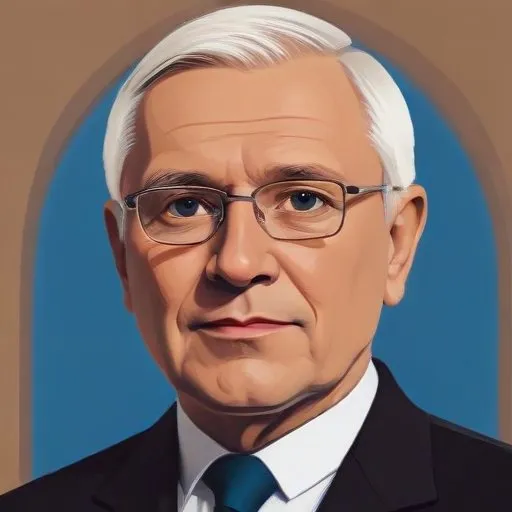
Estonian pastor and politician who served as the 9th Minister of Foreign Affairs, playing a significant role in Estonia's early 20th-century politics and independence movement. He was a key figure in shaping the country's foreign policy and international relations.
Jaan Lattik, a prominent Estonian politician, writer, and former Estonian Minister of Education and Minister of Foreign Affairs, was born on October 10, 1878, near Karula Parish, Estonia. Studying theology at Tartu University, Lattik became a pastor by profession, which laid the foundation for his future endeavors.
Lattik's creative inclinations extended to writing children's stories, which he penned in the Võro dialect from southern Estonia. This literary endeavor showcases his commitment to preserving Estonian cultural heritage.
Lattik's entry into politics was marked by his involvement in the Estonian delegation to the League of Nations in 1921. Subsequently, he held the offices of Minister of Education (1925) and Minister of Foreign Affairs (1928-1931), demonstrating his dedication to shaping Estonia's national identity and international relations.
In 1939, Lattik was appointed envoy to Lithuania, a position he held until his recall to Estonia in 1940. Fleeing to Sweden in 1944, following the second Soviet occupation of Estonia, he spent the remainder of his life in exile.
In 1932, Lattik's daughter, Helice Alice, married Viktor, son of Estonian statesman Konstantin Päts. After his passing on June 27, 1967, in Stockholm, Sweden, Lattik's body was reinterred in Viljandi's Old Graveyard in 2008, in accordance with his relatives' wishes.
Lattik's life and work are a testament to his unwavering commitment to Estonian national identity, education, and international cooperation. His diplomatic efforts and literary contributions have left an indelible mark on Estonian history, ensuring his legacy as a multifaceted statesman and cultural preservationist.
In today's Estonia, Lattik's emphasis on education and cultural preservation remains essential to the country's development. His diplomatic endeavors and literary works continue to inspire future generations, solidifying his position as a cornerstone of Estonian history and heritage.
Born in 1874
Estonia's first president, a key figure in the country's struggle for independence from Russia, served as a unifying force during tumultuous times. He's remembered for his role in shaping Estonia's early years and its path to sovereignty.
Born in 1868
Estonia's 2nd Prime Minister, a pioneering journalist, lawyer, and politician who played a crucial role in the country's struggle for independence and development. He's most known for his efforts to establish a democratic government and promote national unity.
Born in 1884
Estonia's 7th Prime Minister, a lawyer and politician who played a crucial role in shaping the country's early years of independence, known for his diplomatic efforts and national unification.
Born in 1888
Estonian journalist and politician who served as the 6th Prime Minister of Estonia, known for his leadership during the country's interwar period and his role in shaping the nation's early years of independence.
Born in 1890
A prominent Estonian leader who served as the country's Prime Minister during a tumultuous period, guiding Estonia through World War II and the Soviet occupation. He's revered for his bravery and statesmanship during Estonia's struggle for independence.
Born in 1886
Estonia's Head of State during World War II, leading the country's government-in-exile and advocating for independence from Soviet occupation. He played a crucial role in preserving Estonia's sovereignty and identity.
Born in 1875
Estonia's second Prime Minister, a lawyer and politician, played a crucial role in shaping the country's early years, serving as a key figure in its struggle for independence. He's most known for his efforts in establishing Estonia's sovereignty and democratic government.
Born in 1872
Estonia's 7th State Elder, a prominent lawyer and politician, played a crucial role in shaping the country's early 20th-century government and politics. He's most known for his efforts in establishing Estonia's independence and sovereignty.
