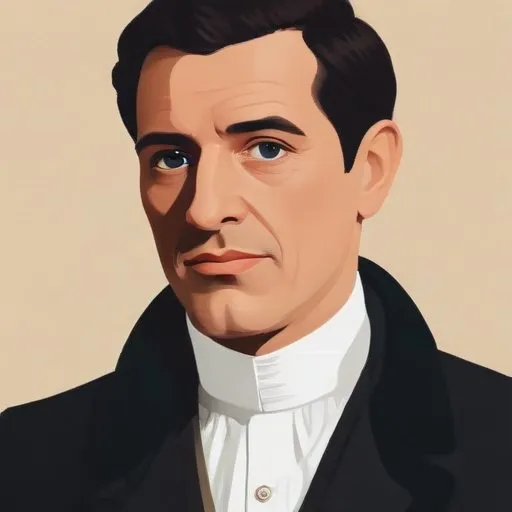
James Anthony Froude: The Controversial Historian and Novelist of 19th Century England
A Life of Literary Triumphs and Turbulent Times
James Anthony Froude is best known for his monumental work,
History of England from the Fall of Wolsey to the Defeat of the Spanish Armada, a sprawling narrative that cemented his position as one of the most celebrated historians of his time. This iconic work, infused with a fierce polemicism reminiscent of his mentor
Thomas Carlyle, not only earned Froude widespread acclaim but also sparked heated debates and controversies that would shadow him throughout his life.
Early Life and Formative Years
Born on April 23, 1818, at Dartington, Devon, Froude was the youngest of eight children to Robert Hurrell Froude, archdeacon of Totnes, and his wife Margaret Spedding. Tragedy struck early, with the loss of his mother and five siblings to consumption by the time he was just three years old. This tumultuous childhood, marked by a loveless and cheerless atmosphere under the strict guidance of his father and brother Richard, would have a lasting impact on Froude's worldview and writing style.
A Turbulent Education and the Quest for Faith
Froude's formal education was marked by struggle and disillusionment. At Westminster School, he was persistently bullied and tormented, and his failure to excel academically seemed to seal his fate. However, it was during this tumultuous period that Froude developed a deep love for the classics and immersed himself in history and theology. His intellectual curiosity would eventually lead him to Oriel College, Oxford, where he would join the epicenter of the ecclesiastical revival, later dubbed the Oxford Movement.
Doubts and Departure from the Church
Froude's initial intention was to follow in his father's footsteps and become a clergyman. However, as he delved deeper into his studies, he began to harbor doubts about the doctrines of the Anglican Church. These misgivings would eventually find expression in his scandalous 1849 novel,
The Nemesis of Faith, which sparked a firestorm of controversy and forced Froude to reconsider his path. He abandoned his religious ambitions, turning instead to the world of writing and history.
The Rise to Prominence as a Historian
Under the guidance of Thomas Carlyle, Froude discovered his true calling as a historian. His
History of England from the Fall of Wolsey to the Defeat of the Spanish Armada, published in 12 volumes between 1856 and 1870, was a massive undertaking that showcased Froude's mastery of historical narrative and his ability to craft compelling stories. This work, though often fiercely polemical, earned Froude widespread recognition and admiration, solidifying his position as one of the leading historians of his time.
The Controversy Surrounding Life of Carlyle
Froude's later years were marred by controversy, particularly surrounding the publication of his
Life of Carlyle, which included personal writings of Thomas and Jane Welsh Carlyle. This move sparked persistent gossip and discussion about the couple's marital problems, tarnishing Froude's reputation and leading to public censure.
A Legacy of Controversy and Contribution
James Anthony Froude's life was a tangled web of literary triumphs, personal struggles, and public controversies. Despite the turbulence that surrounded him, Froude left an indelible mark on the world of history and literature, inspiring generations of writers and thinkers. As we reflect on his life and works, we are reminded that even the most contentious of figures can leave behind a legacy of profound significance and lasting impact.
- Major Works: The Nemesis of Faith, History of England from the Fall of Wolsey to the Defeat of the Spanish Armada, Life of Carlyle
- Influence: Thomas Carlyle, Oxford Movement, Anglo-Catholicism
- Controversies: Publication of Life of Carlyle, criticisms of the Anglican Church
- Personal Milestones: Abandoning his religious career, publishing his monumental History of England
FAQ
What were James Anthony Froudes contributions to historical research?
Froude was a prominent historian and biographer, making significant contributions to the study of English history, particularly in the fields of medieval and Renaissance history.
What was James Anthony Froudes role in the development of historical fiction?
Froudes historical novels, such as The Nemesis of Faith, helped shape the genre of historical fiction, influencing later writers such as Charles Dickens and Thomas Hardy.
What were James Anthony Froudes notable publications?
Froude wrote several influential books, including The History of England from the Fall of Wolsey to the Defeat of the Spanish Armada and The English in Ireland in the Eighteenth Century.
How did James Anthony Froudes work influence historical thought?
Froudes emphasis on the importance of individual character and his use of historical fiction helped shape the development of historical thought, influencing later historians and writers.
What is James Anthony Froudes legacy in English literature?
Froudes legacy is marked by his contributions to historical research, his influence on the development of historical fiction, and his role in shaping English literary culture in the 19th century.