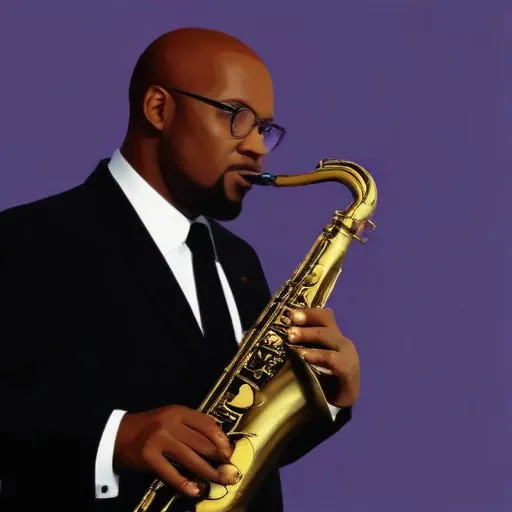
James Moody

James Moody

James Moody was born on March 26th, 1925

Full Name: James Moody
Place of Birth: Savannah, Georgia
Nationality: American
Profession: Saxophonist, Composer
Notable Works: Moodys Mood for Love
Instruments: Alto saxophone, Flute
Collaborations: Dizzy Gillespie, Miles Davis
Death Date: December 10, 2010

A renowned jazz saxophonist and composer, known for his bebop and hard bop styles, as well as his iconic 1949 song "Moody's Mood for Love".

Written by: Emma Thompson Emma Thompson

When it comes to jazz, few musicians have left an indelible mark on the genre like James Moody. Known for his virtuosic saxophone playing, Moody's unique sound and unforgettable performances earned him a reputation as one of the greatest saxophonists of all time.

Born on March 26, 1925, in Savannah, Georgia, Moody grew up in Newark, New Jersey, surrounded by the sounds of jazz. His single mother, Ruby Hann Moody Watters, encouraged his love for music, and at 16, his uncle bought him his first saxophone. Moody's early influences included Lester Young, Buddy Tate, and Don Byas, but it was the legendary Count Basie who inspired him to pursue a career in jazz.

In 1943, Moody joined the US Army Air Corps, where he played in the segregated Negro band at the Greensboro Training Center. It was here that he honed his skills, learning from other musicians and developing his signature style. After his military service, Moody began his professional career, playing with the likes of Dizzy Gillespie, Milt Jackson, and John Lewis.

In 1952, Moody recorded a song that would change his life forever: "Moody's Mood for Love." Written by Eddie Jefferson, the song used an improvised solo Moody had played on a 1949 recording of "I'm in the Mood for Love." The song became an instant hit, and Moody adopted it as his own, recording it with Jefferson on his 1956 album and performing it regularly in concert.

Moody's rendition of "Moody's Mood for Love" not only showcased his incredible saxophone skills but also cemented his status as a jazz legend. The song's success led to numerous performances, including appearances at the famous Birdland jazz club in New York City.

Throughout his career, Moody collaborated with some of the biggest names in jazz, including Ella Fitzgerald, Benny Carter, and Quincy Jones. He continued to perform and record, releasing albums such as Flute 'n' Soul and Feelin' Good, which showcased his versatility and mastery of the saxophone.

Moody's contributions to jazz were recognized with numerous awards and accolades, including a Grammy Award for Best Instrumental Composition for "Moody's Mood for Love." He was also awarded the National Endowment for the Arts' NEA Jazz Masters Fellowship, the highest honor in jazz.

Today, Moody's legacy continues to inspire new generations of jazz musicians. The annual James Moody Jazz Festival, held in Newark, New Jersey, celebrates his life and music, ensuring that his impact on the genre will never be forgotten.

"I was a rebellious kid, and music was my way of rebelling," Moody once said, reflecting on his early years.

In an interview, Moody recalled his time in the military: "I was drafted into the Air Force, and they said, 'Does anyone here play an instrument?' No one said anything. Then they said, 'Does anyone here have an instrument?' I said, 'Yeah, I've got one.'"

Moody was dedicated to giving back to his community, particularly in his hometown of Newark. He worked with local schools and organizations to promote music education and provide opportunities for young musicians.

Moody's charitable work extended beyond music, as he supported various organizations, including the American Cancer Society and the Multiple Sclerosis Society.

  • March 26, 1925: Born in Savannah, Georgia
  • 1943: Joined the US Army Air Corps
  • 1952: Recorded "Moody's Mood for Love"
  • 1956: Released album Moodys Mood for Love
  • 1993: Awarded the National Endowment for the Arts' NEA Jazz Masters Fellowship
  • December 9, 2010: Passed away at the age of 85
  • James Moody's life was a testament to the power of music to bring people together and transcend boundaries. His legacy continues to inspire and influence new generations of jazz musicians, ensuring that his impact on the genre will never be forgotten.

    Timeline
    1925
    Born in Georgia
    James Moody was born on March 26, 1925, in Savannah, Georgia.
    1946
    Started Music Career
    Moody began his music career in the 1940s, playing tenor saxophone with Dizzy Gillespies orchestra.
    1950
    Recorded Moodys Mood
    Moody recorded his famous solo Moodys Mood for Love in 1950, which became a jazz standard.
    1991
    Won Grammy Award
    Moody won the Grammy Award for Best Jazz Instrumental Performance, Individual or Group for his album Moving Forward in 1991.
    2010
    Passed Away
    James Moody passed away on December 10, 2010, at the age of 85.
    James Moody

    James Moody Quiz

    What style of jazz is James Moody most associated with?

    Score: 0/5
    FAQ
    What was James Moodys contribution to jazz music?
    James Moody was a renowned jazz saxophonist and composer, known for his innovative and expressive playing style. He was a key figure in the development of bebop and modern jazz.
    What are some of James Moodys most famous compositions?
    Some of James Moodys most famous compositions include Moodys Mood for Love, Last Train from Overbrook, and Tanya. These works showcase his mastery of jazz and his ability to create timeless melodies.
    What awards did James Moody win for his contributions to jazz?
    James Moody won numerous awards for his contributions to jazz, including the Grammy Award, the NEA Jazz Masters Fellowship, and the DownBeat Readers Poll Award.
    How did James Moodys experiences shape his views on music and art?
    James Moodys experiences as a musician shaped his views on the importance of creativity, innovation, and collaboration in music and art. He was known for his generosity and willingness to mentor younger musicians.
    What legacy did James Moody leave in the world of jazz?
    James Moodys legacy in the world of jazz is one of innovation, creativity, and dedication to the art form. He is remembered as a master musician and a true original.

    Related People:

    Dizzy Gillespie

    Born in 1917

    A virtuosic trumpet player and composer who revolutionized jazz with his lightning-fast solos and iconic puffy cheeks, creating a new language for the instrument. He's synonymous with bebop and modern jazz.

    Charlie Parker

    Born in 1920

    A pioneering jazz saxophonist and composer, known for his lightning-fast solos and innovative bebop style that revolutionized jazz music. 82

    Thelonious Monk

    Born in 1917

    A jazz legend who revolutionized piano playing and composition with unorthodox techniques and harmonies, creating a unique, improvisational style that continues to inspire generations of musicians.

    Miles Davis

    99 Years Old

    A legendary jazz musician who revolutionized the genre with his improvisational style and iconic albums like "Kind of Blue". He's synonymous with cool, jazzy sophistication.

    John Coltrane

    99 Years Old

    A legendary jazz saxophonist and composer who revolutionized the genre with his innovative, spiritually-driven improvisations and iconic albums like "A Love Supreme".

    Sonny Rollins

    95 Years Old

    A legendary jazz saxophonist and composer, renowned for his improvisational genius and iconic recordings that redefined the genre. His playing style is characterized by intense emotional expression and harmonic innovation.

    Art Blakey

    Born in 1919

    A legendary jazz drummer and leader of the Jazz Messengers, known for nurturing young talent and shaping the sound of modern jazz through his iconic band.

    Charles Mingus

    Born in 1922

    A virtuosic bassist and composer who blended jazz with gospel, blues, and classical music, creating complex, eclectic works that showcased his genre-bending genius. His innovative compositions and bold leadership style continue to inspire musicians across genres.