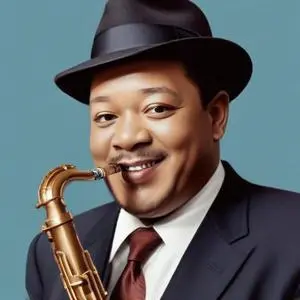
Lester Young

Lester Young

Lester Young was born on August 27th, 1909

Full Name: Lester Willis Young
Place of Birth: Woodville, Mississippi
Zodiac Sign: Pisces
Profession: Jazz Saxophonist and Clarinetist
Nationality: American
Music Style: Swing and Bebop
Influences: Coleman Hawkins and Frankie Trumbauer
Famous Works: Shoe Shine Boy and Lester Leaps In

A pioneering jazz musician who introduced a smoother, more relaxed style of saxophone playing, influencing generations of musicians to come.

The Saxophonist's Saxophonist: Lester Young's Enduring Legacy

Lester Young, affectionately dubbed "Pres" or "Prez," was an American jazz tenor saxophonist and clarinetist who revolutionized the genre with his distinctive, relaxed, and cool tone. As a prominent member of Count Basie's orchestra, Young's sophisticated harmonies and improvisational mastery earned him a reputation as one of the most influential players of his instrument.

Early Life and Musical Upbringing

Born on August 27, 1909, in Woodville, Mississippi, Young was raised in a musical family. His father, Willis Handy Young, was a teacher and band leader, and Young's siblings, Leonidas Raymond (Lee Young) and Irma Cornelia, also pursued careers in music. Growing up in the Algiers neighborhood of New Orleans, Young was exposed to the vibrant sounds of jazz from an early age. He began working at five, selling newspapers and shining shoes to support his family.

Formative Influences and Career Beginnings

Young's early musical influences included jazz legends Louis Armstrong, Bix Beiderbecke, Jimmy Dorsey, and Frankie Trumbauer. He learned the basics of the trumpet, violin, and drums by the time he was ten and joined the Young Family Band, touring regional cities in the Southwest. However, his father's strict expectations and the constraints of touring in the segregated South led Young to leave the family band in 1927. He eventually settled in Minneapolis, where he discovered the tenor saxophone, an instrument that would become an integral part of his identity.

Rise to Prominence and Signature Style

Young's unique, "free-floating" style, characterized by low, funky riffs and improvisational fluidity, set him apart from his peers. As a member of Count Basie's orchestra, he developed a distinctive tone that pleased both dancers and listeners. His hip, introverted style also popularized much of the hipster jargon associated with jazz.

Philosophical Contributions and Beliefs

Young's approach to music was deeply rooted in his appreciation for the blues and his commitment to expressing individuality. He believed in the importance of simplicity, stating, "I don't think you should play music that's too complicated. You should play what the people can understand." This philosophy is reflected in his accessible, melodic solos, which continue to influence generations of musicians.

Personal Milestones and Key Life Events

  • 1927: Left the family band due to disagreements with his father and the constraints of touring in the segregated South.
  • 1930s: Became a prominent member of Count Basie's orchestra, solidifying his reputation as a leading saxophonist.
  • 1940s: Served in the U.S. Army during World War II, experiencing racism and disillusionment that affected his music.
  • 1950s: Continued to perform and record, despite personal struggles and declining health.

Legacy and Impact on Modern Society

Lester Young's enduring legacy is a testament to his innovative spirit and contributions to the development of jazz. His influence can be seen in the work of countless musicians, including Charlie Parker, Thelonious Monk, and John Coltrane. As a cultural icon, Young's image and music continue to inspire artists, writers, and musicians, ensuring his place in the pantheon of American music.

Quotes and Memorable Sayings

  • "You can't swing when you're worried about making mistakes."
  • "I don't think you should play music that's too complicated. You should play what the people can understand."

Historical Context and Legacy

Young's life and career are inextricably linked to the evolution of jazz, reflecting the genre's struggles, triumphs, and innovations. As a pioneering figure, he navigated the complexities of race, identity, and artistic expression, leaving behind a rich cultural heritage that continues to resonate with audiences today.

Comparative Analysis with Contemporaries

Young's unique voice and approach set him apart from his contemporaries, including Coleman Hawkins and Chu Berry. While Hawkins was known for his robust, virtuosic style, Young's relaxed, melodic approach created a distinct sonic landscape. Berry, a fellow Basie alumnus, shared Young's flair for improvisation, but his playing lacked the subtle nuances that characterized Young's performances.

Personal Relationships and Anecdotes

Young's warm relationships with his colleagues and friends, including Count Basie, Dizzy Gillespie, and Billie Holiday, were a testament to his kind and humble nature. His camaraderie with Basie, in particular, fostered a creative partnership that yielded some of the most iconic recordings in jazz history.

Career Highlights and Major Works

  • "Shoe Shine Boy" (1936)
  • "Lester Leaps In" (1939)
  • "Blue and Sentimental" (1951)

Awards and Honors

  • Inducted into the DownBeat Jazz Hall of Fame (1959)
  • Inducted into the Grammy Hall of Fame (multiple entries)

Trivia and Fun Facts

  • Young's nickname "Pres" was coined by Billie Holiday, who affectionately referred to him as "President."
  • He was known for his distinctive, asymmetrical approach to playing the saxophone.

Inspirational Stories and Motivations

Lester Young's life and music are a testament to the power of perseverance, creativity, and individuality. His legacy serves as a beacon of inspiration for generations of musicians and artists, reminding us that true innovation and artistry can emerge from adversity and struggles.
Timeline
1909
Born in Woodville
Lester Young was born on August 27, 1909, in Woodville, Mississippi. He would go on to become a legendary American saxophonist and clarinet player.
1927
Started Playing Saxophone
Young started playing the saxophone at the age of 18, which became his signature instrument.
1933
Joined Count Basie Orchestra
Young joined the Count Basie Orchestra in 1933, where he developed his unique playing style.
1944
Recorded with Dizzy Gillespie
Young recorded with Dizzy Gillespie in 1944, creating some of the most iconic jazz tracks of the era.
1959
Passed Away
Lester Young passed away on March 15, 1959, leaving behind a legacy as one of the greatest saxophonists in jazz history.
Lester Young

Lester Young Quiz

Lester Young was known for playing which instrument?

Score: 0/5
FAQ
What were Lester Youngs most notable musical achievements?
Lester Young was an American saxophonist and clarinet player who was a key figure in the development of cool jazz and bebop. He was a member of Count Basies orchestra and had a successful solo career, recording with prominent musicians such as Billie Holiday and Dizzy Gillespie.
How did Lester Youngs playing style influence jazz?
Lester Youngs playing style was characterized by his smooth, melodic approach and his use of subtlety and nuance. He was a major influence on many later jazz musicians, including Stan Getz and Zoot Sims.
What was Lester Youngs role in the development of cool jazz?
Lester Young was a key figure in the development of cool jazz, a subgenre characterized by its relaxed, introspective approach. He was one of the first musicians to explore this style, which became popular in the 1950s.
How did Lester Youngs personality shape his career and legacy?
Lester Young was known for his laid-back and introverted personality, which was reflected in his music. He was a private person who kept a low profile, but his music continues to be celebrated and admired by jazz fans around the world.
What is Lester Youngs lasting legacy in the world of jazz?
Lester Youngs legacy in the world of jazz is that of a pioneering figure who helped to shape the course of the music. He remains one of the most influential and beloved jazz musicians of all time, and his music continues to inspire new generations of musicians and fans.

Related People:

Charlie Parker

Born in 1920

A pioneering jazz saxophonist and composer, known for his lightning-fast solos and innovative bebop style that revolutionized jazz music. 82

Dizzy Gillespie

Born in 1917

A virtuosic trumpet player and composer who revolutionized jazz with his lightning-fast solos and iconic puffy cheeks, creating a new language for the instrument. He's synonymous with bebop and modern jazz.

Thelonious Monk

Born in 1917

A jazz legend who revolutionized piano playing and composition with unorthodox techniques and harmonies, creating a unique, improvisational style that continues to inspire generations of musicians.

Count Basie

Born in 1904

A legendary jazz pianist and bandleader who led a iconic orchestra, blending swing and blues to create a unique sound that influenced generations of musicians. Known for his distinctive "less-is-more" style and hits like "April in Paris" and "One O'Clock Jump".

Billie Holiday

Born in 1915

Legendary jazz vocalist and actress known for her expressive, emotive singing style and iconic songs like "God Bless the Child" and "Strange Fruit".

Coleman Hawkins

Born in 1904

A pioneering jazz musician who revolutionized the saxophone's role in jazz, creating a rich, full-bodied sound that influenced generations of musicians.

Benny Goodman

Born in 1909

A virtuosic clarinetist and bandleader, known as the "King of Swing," who revolutionized jazz music with his energetic and sophisticated style, leading a racially integrated orchestra in the 1930s.

Artie Shaw

Born in 1910

A virtuosic clarinetist and innovative bandleader, he revolutionized the swing era with his unique sound and iconic hits like "Begin the Beguine" and "Stardust".