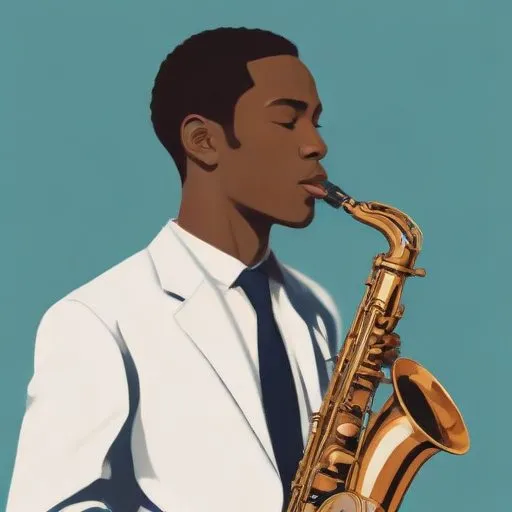
Chu Berry: The Tenor Saxophonist Who Revolutionized Jazz
A Legacy of Innovation and Influence
Chu Berry was an American jazz tenor saxophonist who made a profound impact on the genre during the 1930s. Best known for his time as a member of singer
Cab Calloway's big band, Berry's mastery of advanced harmony and innovative playing style influenced some of the most iconic jazz musicians of all time, including
Dizzy Gillespie and Charlie Parker.
Early Life and Inspiration
Born Leon Brown Berry on September 13, 1908, in Wheeling, West Virginia, Berry grew up in a family that encouraged his love of music. His sister Ann played piano, and Berry began playing alto saxophone at an early age, inspired by local bands and later by the legendary
Coleman Hawkins.
A Career of Collaboration and Innovation
Berry's professional career spanned over a decade, during which he played with some of the most influential jazz bands of the time. He began with Sammy Stewart's band in 1929, switching to tenor saxophone under the guidance of
Benny Carter in 1932. Berry went on to play with Teddy Hill,
Fletcher Henderson, and eventually Cab Calloway's orchestra, where he spent four years and helped shape the band's sound into a legitimate jazz orchestra.
A Sideman Extraordinaire
Throughout his career, Berry was in high demand as a sideman for recording sessions with other jazz greats. He played alongside
Bessie Smith, the Chocolate Dandies,
Mildred Bailey,
Teddy Wilson,
Billie Holiday, Wingy Manone, and
Lionel Hampton, among others. This exposure allowed Berry to hone his skills and develop his unique style, which would go on to influence generations of jazz musicians.
Influence and Legacy
Berry's impact on jazz is still felt today. His mastery of advanced harmony and melodic sensibility paved the way for bebop and modern jazz. Dizzy Gillespie and
Charlie Parker, two of the most influential jazz musicians of all time, often credited Berry as a major influence. Parker even named his first son Leon in Berry's honor. Berry's legacy extends beyond jazz, too – his music has been featured in films, television shows, and commercials, introducing his innovative style to new audiences.
Personal Milestones and Key Life Events
- Graduated from Lincoln High School in Wheeling, West Virginia
- Attended West Virginia State College for three years
- Played with Cab Calloway's orchestra from 1937 to 1941
- Recorded with some of the most influential jazz musicians of the time, including Bessie Smith, Billie Holiday, and Lionel Hampton
Trivia and Fun Facts
- Berry got his nickname "Chu" either because he chewed on the mouthpiece of his saxophone or because he had a Fu Manchu mustache.
- Berry's music was featured in the 1941 film Sensations of 1945, which starred Cab Calloway and his orchestra.
A Legacy Cut Short
Tragically, Chu Berry's life was cut short when he died on October 30, 1941, at the age of 33. Despite his brief career, Berry left an indelible mark on jazz, inspiring generations of musicians and cementing his place as one of the most influential tenor saxophonists of all time.
FAQ
What was Chu Berrys most notable contribution to jazz music?
Chu Berry was an American saxophonist and arranger who played with several prominent jazz bands, including those led by Cab Calloway, Fletcher Henderson, and Benny Goodman.
How did Chu Berrys saxophone playing style influence jazz?
Berrys smooth, melodic style on the saxophone helped shape the sound of swing jazz, influencing future generations of saxophonists.
What was Chu Berrys role in the development of swing jazz?
Berry was a key figure in the development of swing jazz, playing with many of the eras leading musicians and helping to popularize the genre.
How did Chu Berrys collaborations with other musicians impact his career?
Berrys collaborations with other prominent musicians, such as Dizzy Gillespie and Charlie Parker, helped elevate his profile and expand his musical repertoire.
What is Chu Berrys legacy in jazz history?
Berrys contributions to jazz as a saxophonist and arranger have had a lasting impact on the genre, inspiring future generations of musicians and enthusiasts.