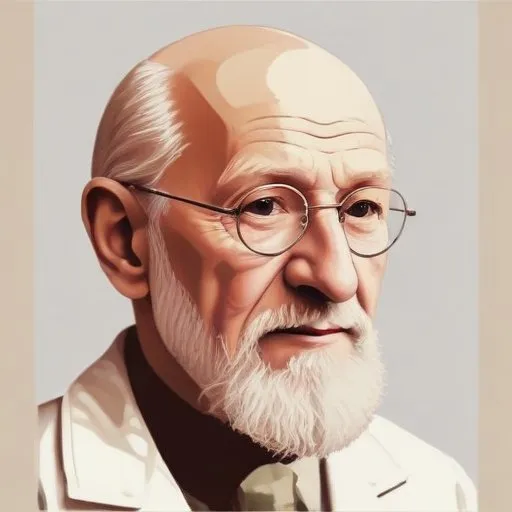
Janusz Korczak: The Champion of Children's Rights
A Life Dedicated to the Well-being of the Young
Janusz Korczak, a Polish Jewish pediatrician, educator, and children's author, is renowned for his tireless advocacy of children's rights and his groundbreaking work in the field of pedagogy. He is best known for his courageous stance during World War II, when he refused to abandon his orphan charges, choosing instead to accompany them to the Treblinka extermination camp, where he ultimately perished.
Early Life and Education
Born Henryk Goldszmit in Warsaw in 1878 or 1879, Korczak grew up in a family that valued education and social responsibility. His father, Józef Goldszmit, was a respected lawyer, and his mother, Cecylia née Gębicka, came from a prominent Kalisz family. Korczak's early life was marked by financial struggles, which led him to start working as a tutor while still attending the gymnasium.
Literary Beginnings
Korczak's literary debut came in 1896 with a satirical text on raising children, _Wże gordyjski_ (_The Gordian Knot_). He adopted the pen name Janusz Korczak in 1898, inspired by the book _O Janaszu Korczaku i pięknej Miecznikównie_ by Józef Ignacy Kraszewski. During the 1890s, Korczak studied in the Flying University and later pursued a degree in medicine at the University of Warsaw.
A Pediatrician and Educator
After graduating, Korczak became a pediatrician and dedicated himself to improving the lives of children. He worked as a principal of an orphanage in Warsaw, where he developed innovative methods for child care and education. His approach was centered on the child's individual needs, and he advocated for a more compassionate and understanding attitude towards children.
A Children's Constitution
In 1919, Korczak drafted a children's constitution, a pioneering document that recognized the rights and dignity of children. This groundbreaking work reflected his deep commitment to the well-being and protection of children.
Heroism and Sacrifice
During World War II, Korczak's orphanage was relocated to the Warsaw Ghetto. When the Nazis ordered the deportation of the orphanage's inhabitants to Treblinka, Korczak refused to abandon his charges, despite having the opportunity to save himself. On August 7, 1942, he accompanied the children to the extermination camp, where he perished alongside them.
Legacy and Impact
Janusz Korczak's courageous stance and selfless dedication to the welfare of children have inspired generations of educators, pediatricians, and human rights activists. His work continues to influence modern pedagogy, and his legacy serves as a powerful reminder of the importance of protecting and promoting the rights of children.
Quotes and Memorable Sayings
- "Children are not a people of the future, but people of the present. They have a right to be taken seriously, and to be treated with tenderness and respect."
- "The child must know that he is not a helpless creature, but a being with his own strength and dignity."
Honors and Recognition
In 1991, Korczak was posthumously awarded the title of Righteous Among the Nations by the State of Israel for his heroism during World War II. His legacy continues to inspire people around the world, and his work remains a testament to the power of compassion, courage, and dedication to the well-being of others.
FAQ
What was Janusz Korczaks legacy as a pediatrician?
Janusz Korczak was a Polish pediatrician and educator who developed innovative approaches to childcare and education. He believed in the importance of early childhood education and promoted child-centered care.
What was Janusz Korczaks role in the Jewish orphanage in Warsaw?
Janusz Korczak was the director of the Jewish orphanage in Warsaw, where he established a unique system of self-government and democratic decision-making among the children. He believed that children should be treated with dignity and respect.
What were Janusz Korczaks literary achievements?
Janusz Korczak was a prolific writer who published several books on pedagogy, child psychology, and literature. His childrens books, such as King Matt the First and Kaytek the Wizard, are still popular today.
How did Janusz Korczaks work influence childcare and education?
Janusz Korczaks work had a significant impact on childcare and education. His ideas on child-centered care, democratic education, and early childhood education are still studied and applied today.
What was Janusz Korczaks fate during World War II?
Janusz Korczak died in the Treblinka extermination camp during World War II, along with the children from the Jewish orphanage he had cared for. His legacy continues to inspire educators and child advocates around the world.